




Antique Brush Washer
An antique brush washer is a scholar's vessel designed for cleansing writing tools, prized for exquisite material and quiet desk utility.
Antique Brush Washer
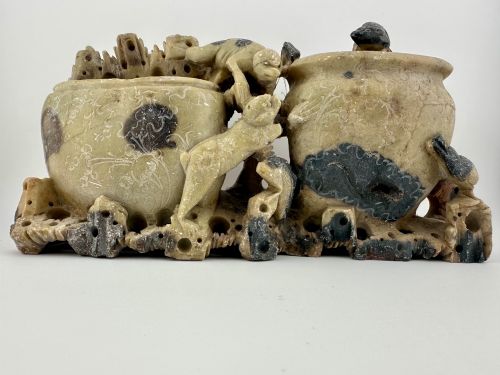
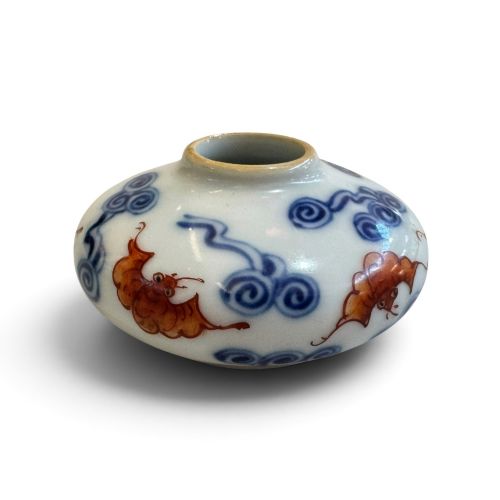
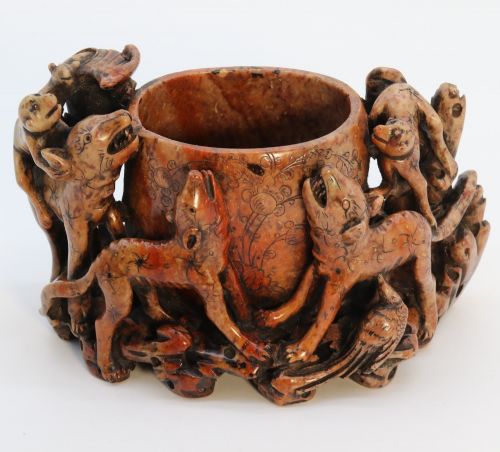
When searching for an antique brush washer, a buyer encounters scholarly desk vessels originating from Chinese and Japanese traditions across the eighteenth and nineteenth centuries. These utilitarian objects served as water containers for ink brushes on the scholar's desk, taking forms from compressed bowls to lotus cups. The version most commonly met on this page is the Chinese porcelain or soapstone brush washer, often attributed to the Qing Dynasty or the Republic Period.
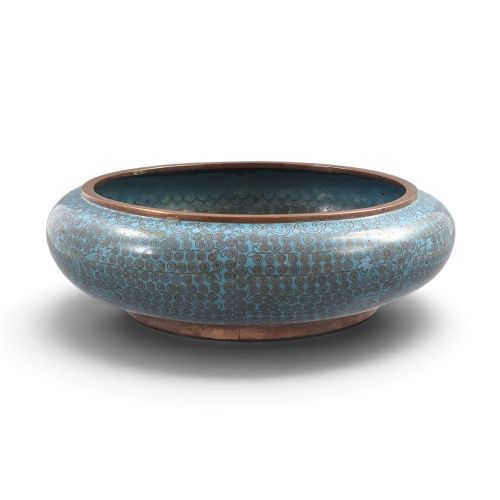
Scholar's objects encompass both dedicated brush washers and related desk accessories such as brush pots and ceramic vessels. The evidence shows pieces fashioned from jade, soapstone, bronze, cloisonné enamel, and pottery like Sumida Gawa. These vessels reflect refined literati tastes, combining functional water containment with artistic carving, reactive glazes, and symbolic motifs.
How They Were Made
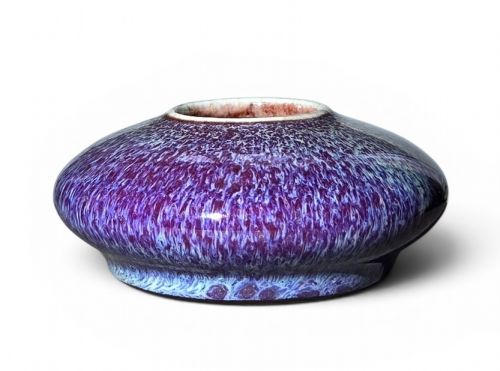
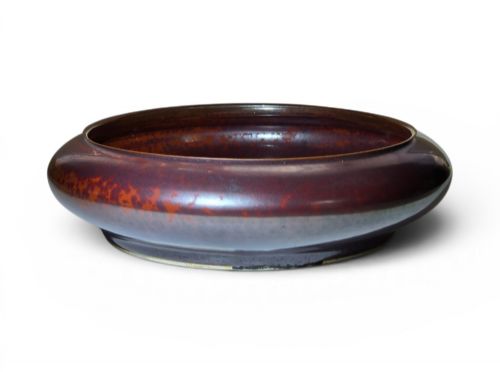
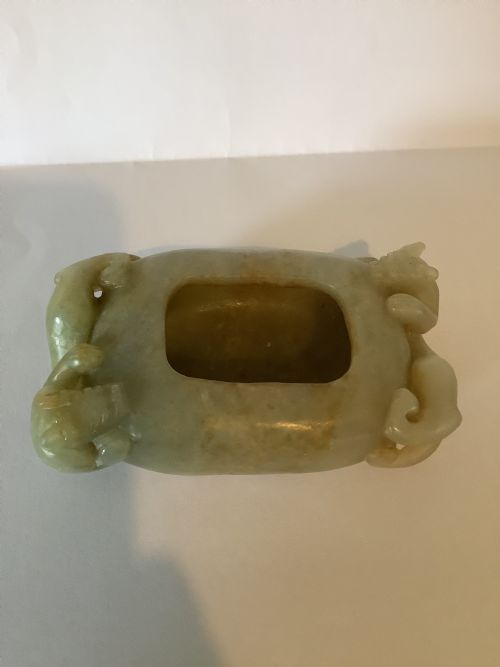
Maker workshops shaped these scholar's objects from hardstones, metals, and ceramic bodies using traditional carving and firing techniques. Jade and soapstone pieces display intricate hand-carving that follows the natural russet markings or contours of the stone. Ceramic versions utilise copper and iron-based glazes - such as flambé, iron rust, and blue and white underglaze - fired in kilns to achieve variegated surface effects.
Metal and mixed-media pieces involve bronze casting, cloisonné wirework with enamel infill, and applied figural elements. Bamboo and buffalo horn examples demonstrate precision carving suited to organic materials, while Sumida Gawa pottery integrates modelled figures directly onto the vessel body.
Some Sumida Gawa vessels feature tiny ceramic figures caught mid-climb up the side of the pot, watching the scholar work.
What Varies in Quality
Quality rests upon the purity and handling of the material, whether the translucent depth of a pale celadon jade or the controlled chemical reaction of an iron rust or flambé glaze. Superior examples exhibit deliberate artistic command over the medium, transforming raw stone, bronze, or clay into a unified sculptural form without hesitation in the carving or glazing.
The sophistication of the design and the precision of detail separate the exceptional from the ordinary. Imperial-quality pieces demonstrate superior spatial balance in motifs like bats, clouds, and phoenixes, alongside disciplined literati restraint that elevates a simple desk utility into a work of art.
The Antique Brush Washer Glossary
- Celadon
- A term for ceramics featuring a pale green or grey-green glaze. This translucent finish mimics the appearance of jade and was highly prized by imperial kilns.
- Cloisonné
- A metalwork technique where enamel paste is applied within compartments defined by soldered wire strips. Beijing workshops produced notable scholar's objects in this manner.
- Flambé glaze
- A streaked, variegated high-fired glaze producing mottled red and purple tones. This unpredictable finish relies on reduction firing atmospheres.
- Buxi
- A specific Chinese term for a compressed brush washer form. These low, rounded vessels held water for rinsing ink from brushes.
- Sumida Gawa
- A Japanese pottery tradition associated with the Meiji period. Pieces often feature textured earthenware bodies adorned with distinct modelled figures in high relief.
Antique Brush Washer: Frequently Asked Questions
What is an antique brush washer used for?
These vessels were utilised on the scholar's desk for washing ink residue from calligraphy brushes during writing and painting.
They held clean water close at hand, allowing the scholar to regulate moisture levels on the brush tip without damaging delicate animal hair bristles.
How do I identify a Qing Dynasty piece?
Identification relies on observing specific material treatments, such as underglaze blue and white painting, iron rust glazes, or specific carving styles associated with eighteenth and nineteenth-century imperial workshops.
Material choices like pale celadon jade and carved soapstone also align with historical literati production standards of the period.
What materials are brush washers made from?
The listings demonstrate a wide variety of materials, including porcelain, jade, soapstone, bronze, cloisonné enamel, buffalo horn, bamboo, and earthenware.
Each material required distinct crafting techniques, from stone carving to high-temperature ceramic kiln firing.
How should I display a brush washer at home?
These objects suit placement on desks, shelves, or low tables where their tactile surfaces and carved details can be appreciated close up.
Pairing them with stable wooden stands or placing them in good natural light highlights the subtle colours of the glazes and stones.