



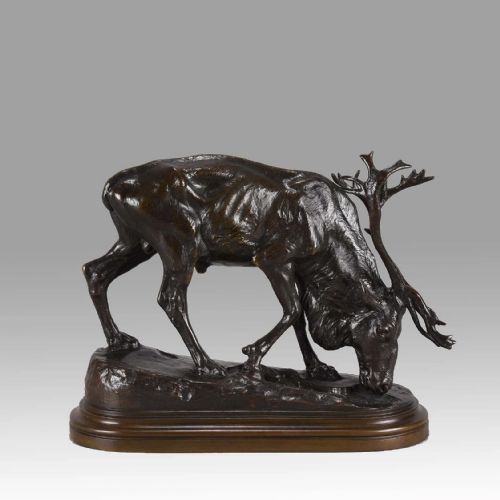


Antique Bronze Stag
An antique bronze stag captures the rugged majesty of the forest in enduring metal, bringing nineteenth-century wildlife naturalism directly into the home.
Antique Bronze Stag
When you search for an antique bronze stag, you encounter finely cast representations of stags, does, and reindeer shaped during the nineteenth and early twentieth centuries. These pieces reflect the Victorian and Art Deco fascination with wildlife, often emerging from French and Austrian foundries during periods of intense naturalist study.
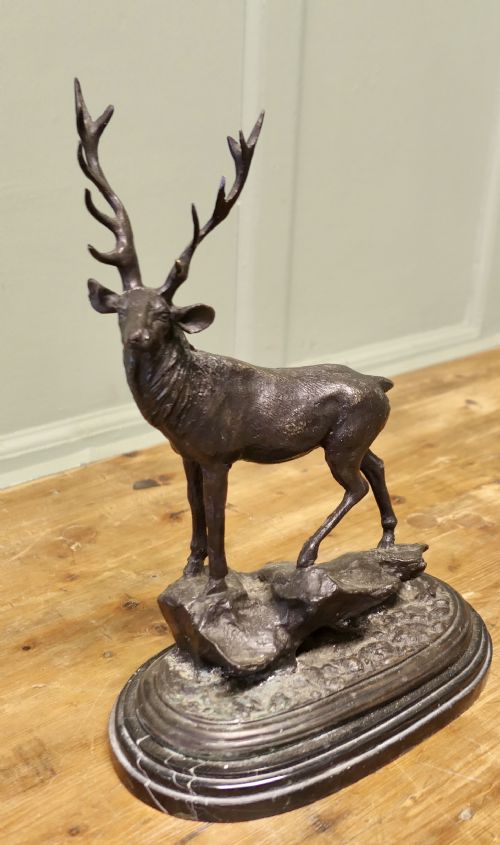
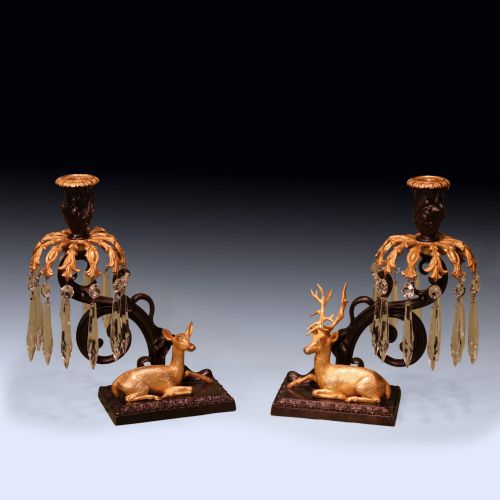
You are most likely to meet standing stags mounted on heavy marble plinths, alongside functional items such as figural inkwells and ornate lustre candlesticks. The selection ranges from robust spelter interpretations to signed works by celebrated animal sculptors working in bronze and ormolu.
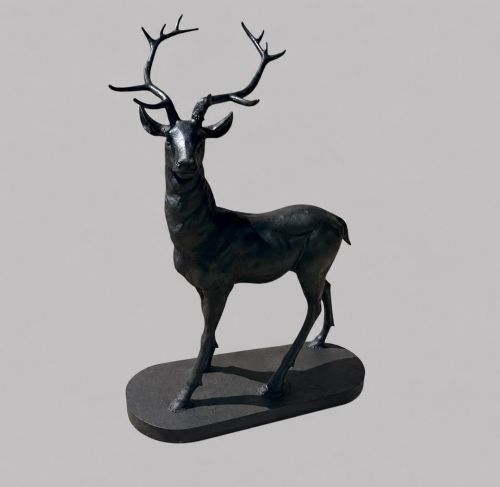
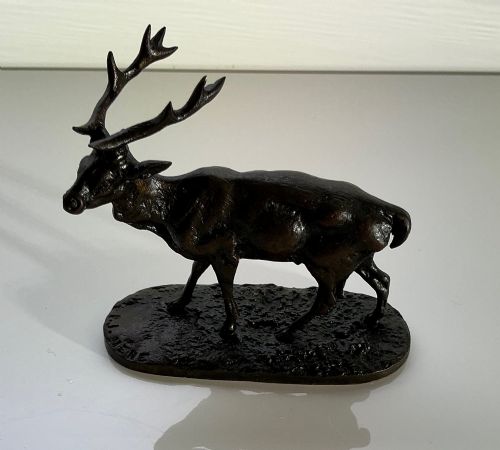
The forms vary from solitary figures perched on rocky outcrops to paired stag and doe compositions that display careful attention to antler structure and muscular definition. These sculptures serve as sculptural centerpieces that anchor a room with traditional gravitas or sleek modernist lines.
How they were made
Foundries typically utilised the lost-wax casting technique or sand casting to achieve the intricate detail visible in the fur, hooves, and antlers of these animals. Molten bronze was poured into moulds, after which the metal received meticulous churing and finishing by hand.
Many sculptures incorporate contrasting materials, setting the dark metal figures onto polished marble or onyx bases, while others employ cold painting, gilding, or ormolu mounts to add rich colour and surface texture.
Antique Bronze Stag Retail Price Guide 2026
Typical asking prices for bronze stag among the pieces listed under this phrase on Sellingantiques today, from the lower quarter to the upper quarter. They describe what is for sale here now, not the wider market.
Materials across these listings include bronze, spelter, marble, onyx, ormolu, and cut glass.
What varies in quality
The integration of the figure with its base also dictates standing, as premier works feature heavy marble plinths tailored specifically to the sculpture, whereas lesser pieces display loose fits or simpler mounting methods.
PJ Mene·Isidore Bonheur·I Rochard·Jules Moigniez
The Antique Bronze Stag Glossary
- Animalier
- A nineteenth-century art movement dedicated to the realistic portrayal of animals, particularly predators and game. Sculptors in this tradition studied anatomy closely in menageries.
- Ormolu
- Finely ground high-carat gold applied to a bronze base using a mercury amalgam technique. This creates a brilliant golden finish seen on decorative mounts and candlesticks.
- Spelter
- A zinc-based alloy frequently used as an economical alternative to bronze during the art deco period. It was often painted to simulate the appearance of heavier metals.
- Lost-wax casting
- A historic method of metal casting where a wax model is melted out of a mould and replaced with molten bronze. This technique allows for exceptional delicacy in complex forms like antlers.
- Cold-painted bronze
- A process where bronze sculptures are painted with cold enamel paints without subsequent firing. This imparts vibrant natural colours to figures of animals and birds.
Antique Bronze Stag: Frequently Asked Questions
How do I identify a real bronze stag?
Genuine bronze pieces feel heavy for their size, exhibit a resonant metallic ring when tapped gently, and display a warm patina that shows age beneath the surface. Cheaper alternatives like spelter are softer, lighter, and often reveal a greyish metal underneath worn painted areas.
Closer inspection under a magnifying glass reveals the sharp chiselling and filing marks left by the artisan during the finishing process, which are typically absent in modern reproductions or inferior cast metal objects.
Where should I place a bronze stag sculpture?
These sculptures suit prominent display on mantelpieces, executive desks, or heavy wooden sideboards where their substantial weight and detailed casting can be appreciated up close. Pairing them with natural materials like timber and leather enhances their rustic wildlife aesthetic.
Avoid positioning them in direct sunlight or areas of high humidity to protect any delicate marble bases, cold-painted surfaces, or applied gilding from unnecessary environmental stress.
What is an animalier bronze?
An animalier bronze is a nineteenth-century sculpture focused entirely on realistic animal subjects, capturing creatures in motion or repose with scientific precision. Artists travelled to zoos and observed wild habitats to ensure the anatomy of each stag or deer remained entirely accurate.
These pieces were especially popular in France and Britain, where collectors prized them for bringing the spirit of the hunt and the natural world into formal interior spaces.