





Antique Bronze Cat
These antique bronze cat figures range from small desk sets to large predatory panthers, offering a decorative presence that brings movement and texture into a room.
Antique Bronze Cat
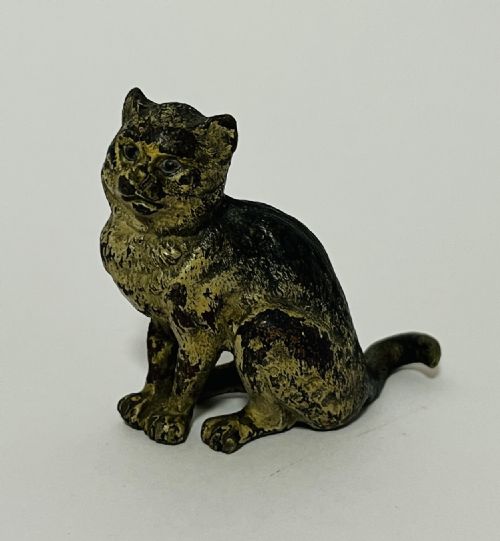
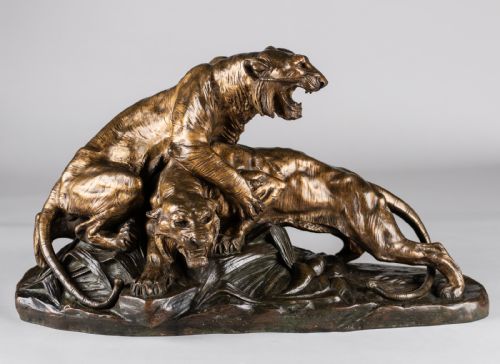
An antique bronze cat encompasses a diverse group of sculptures, figurines, and desk sets that capture domestic felines and wild big cats alike. The selections on this page span the late nineteenth century through to the art deco period of the nineteen twenties and thirties.
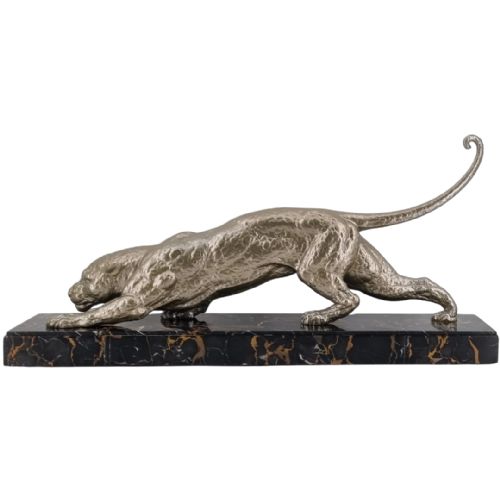
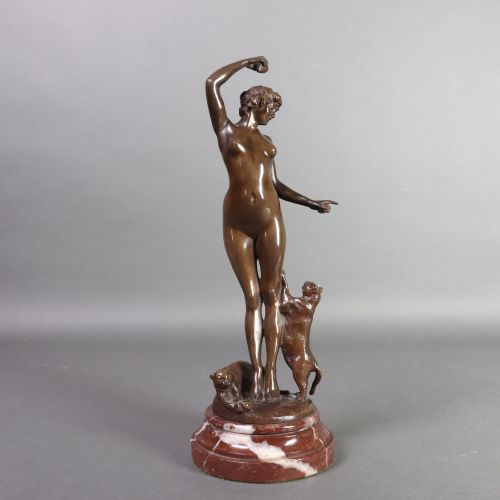
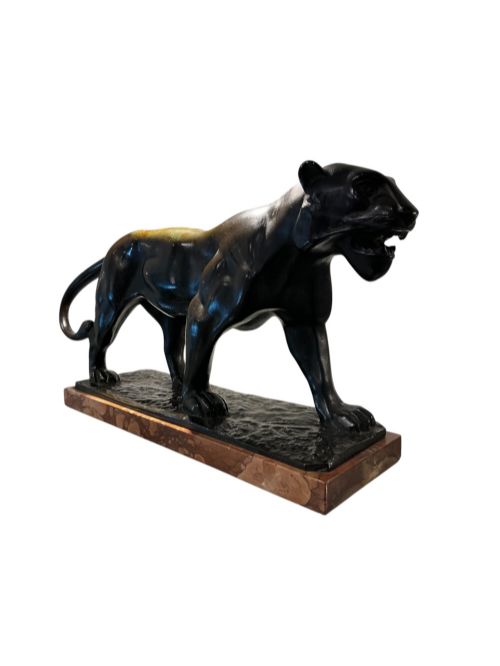
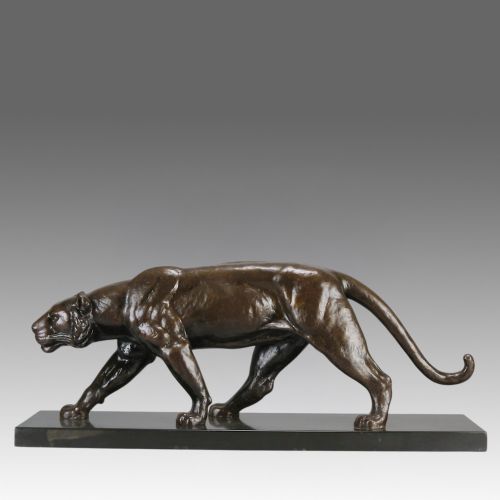
You will encounter pieces originating from French animalier workshops as well as Austrian cold-painted studios. The domestic cat appears in playful groups and functional desk accessories, while tigers, lions, and panthers dominate the larger sculptural works.
Many of these subjects rest upon fitted marble bases, including contrasting portoro and black marble slabs. The visual character shifts from realistic nineteenth-century studies to stylised art deco forms that emphasise sleek muscle and geometry.
Materials and casting methods
Alternative materials appear alongside cast bronze, notably spelter used in twentieth-century figures and heavy marble selected for supportive bases. Artisans mounted the metal sculptures securely onto these stone plinths using threaded pins or bolts.
Antique Bronze Cat Retail Price Guide 2026
Typical asking prices for bronze cat among the pieces listed under this phrase on Sellingantiques today, from the lower quarter to the upper quarter. They describe what is for sale here now, not the wider market.
Materials recorded on this page include cast bronze, cold-painted metal, spelter, and polished marble bases.
Assessing sculptural quality
The integration between the feline figure and its stone base indicates the level of workshop care. High-grade works feature custom-fitted marble with balanced proportions, whereas lesser pieces show loose mounting or crude fastenings.
Gustave Dussart·D. H. Chiparus·Alexandre Ouline·Georges Gardet·Clovis Masson·Michel Decoux·Louis Riche·E. Drouot
The Antique Bronze Cat Glossary
- Animalier
- A nineteenth-century artistic movement dedicated to the realistic portrayal of animals. Sculptors in this tradition focused on anatomical accuracy and dynamic movement.
- Cold Painted
- A technique where oil paint is applied to an unheated metal object, commonly used on Austrian bronze figures. This finish remains susceptible to chipping over time.
- Patinated Bronze
- Metal treated with chemicals to create a stable surface colour ranging from green to deep brown. This coating protects the underlying bronze while adding visual depth.
- Spelter
- A zinc alloy frequently utilised as a cost-effective substitute for bronze during the art deco period. It takes patination well but feels lighter and more brittle than true bronze.
- Portoro Marble
- A distinctive black limestone with bold golden-yellow veins, mined in Italy. It provides a dramatic, high-contrast base for small bronzes and desk sets.
Antique Bronze Cat: Frequently Asked Questions
How do I clean an antique bronze cat?
Dust the surface gently with a soft, dry brush to remove particles without disturbing the patina. Avoid using water, detergents, or metal polishes that strip historical finishes.
Apply a microcrystalline wax sparingly if the metal requires protection against moisture in the air. Buff the wax gently with a clean cloth after application to maintain a soft sheen.
What is the difference between bronze and spelter?
Bronze is a durable copper and tin alloy that carries a heavy weight and accepts deep patination. Spelter is a softer zinc-based alternative that is lighter and more prone to surface wear.
Examining the underside or base often reveals the paler grey metal of spelter where the finish has rubbed away. Bronze retains its warm metallic tone beneath any surface wear.
Why do some cats sit on marble bases?
Marble bases provided stability for heavier metal sculptures and added an architectural element to the display. Sculptors used black and variegated marble to complement the dark tones of patinated bronze.
These stone plinths also served to elevate the feline subject, protecting both the furniture surface and the underside of the casting from direct friction.
How can I date my bronze cat sculpture?
Stylistic clues such as art deco geometric lines point toward the nineteen twenties and thirties. Naturalistic anatomical studies with detailed musculature typically indicate nineteenth-century French animalier production.
foundry marks, artist signatures inscribed in the metal, and the type of marble base offer further evidence for narrowing down the production period.