



Antique Bronze Caddy
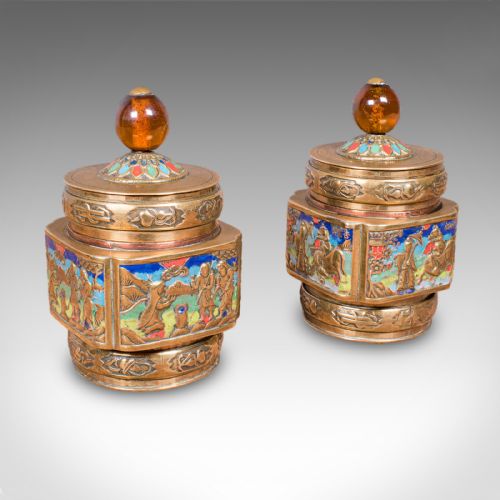
These antique bronze caddy pieces bring heavy metal weight and patinated charm to a room, offering functional containment with distinct period character.
Antique Bronze Caddy
An antique bronze caddy or related metal box represents heavy deskware and tabletop storage from the nineteenth and early twentieth centuries. When searching for an antique bronze caddy, buyers encounter diverse decorative vessels shaped by French Empire, Art Deco, and Victorian aesthetics.
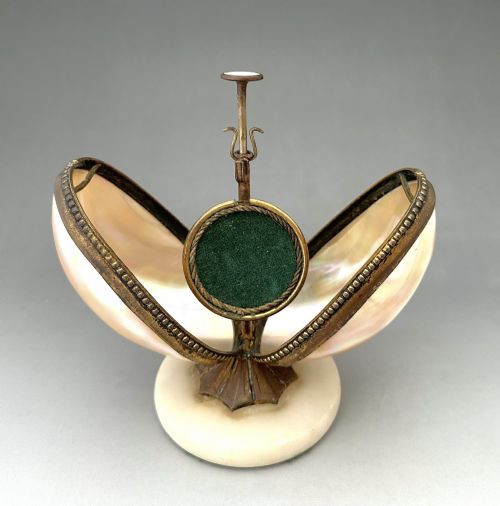
The selections on this page span several decades, featuring cast metal, gilt bronze, and mixed materials like glass and mother-of-pearl. Forms range from heavy presentation caskets to decorative boxes, reflecting the varied domestic and display uses of past eras.
Originating largely from European and international workshops, these pieces demonstrate the diverse applications of bronze and brass in historical interiors. Collectors find both utilitarian containers and ornamental caskets that survive from the eighteen-sixties through the nineteen-twenties.
How they were made
Maker workshops utilised foundational metalworking methods, casting bronze and brass into structural forms before applying detailed surface finishes. Artisans often incorporated gilt bronze or combined the metal body with glass inserts and mother-of-pearl panels.
Construction techniques relied on durable metal casting alongside precision joining, allowing heavy lids and hinges to function smoothly over centuries. Surface treatments included natural patination, silver inlay, and gilding to enhance the visual depth of the metal.
Antique Bronze Caddy Retail Price Guide 2026
Typical asking prices for bronze caddy among the pieces listed under this phrase on Sellingantiques today, from the lower quarter to the upper quarter. They describe what is for sale here now, not the wider market.
The inventory includes items from the nineteenth century, Edwardian era, and the nineteen-twenties Art Deco period.
What varies in quality
Quality rests upon the crispness of the cast metal details and the structural integrity of the hinges, lids, and mounts. Superior examples demonstrate careful chasing and finishing of the bronze surface rather than soft or hurried casting.
The integration of secondary materials, such as fitted glass bottles or mother-of-pearl inlay, distinguishes finer decorative caskets from simpler utilitarian boxes. A harmonious balance between heavy metalwork and decorative ornamentation defines the higher tier of these pieces.
Tahan of Paris·W.M.F.
The Antique Bronze Caddy Glossary
- Bronze
- An alloy consisting primarily of copper, traditionally mixed with tin, valued for its strength and rich patination in antique boxes.
- Gilt bronze
- Bronze that has been coated with a thin layer of gold or gold leaf, often termed ormolu in French decorative arts.
- Charles X
- A French design period spanning the eighteen-twenties, bridging the Empire style and later nineteenth-century revivals.
- Tantalus
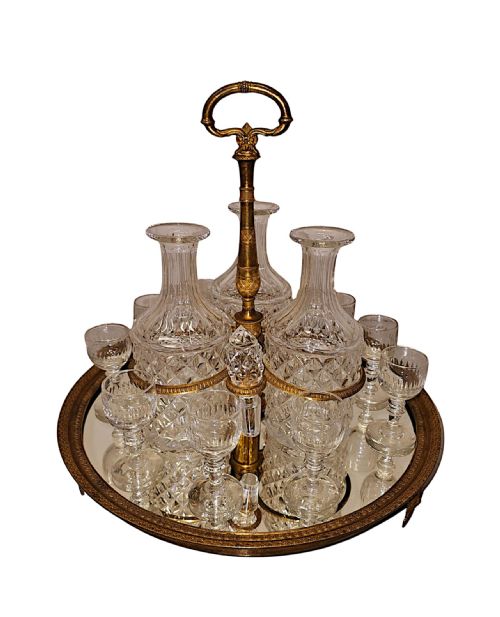
- A decorative stand holding decanters, typically secured with a locking metal bar to prevent unauthorised access to the contents.
Antique Bronze Caddy: Frequently Asked Questions
What were antique bronze caddies used for?
These metal vessels served primarily to store precious goods, tea, or personal trinkets securely within domestic spaces. Their robust construction kept contents protected from light and moisture.
Over time, many of these containers transitioned from utilitarian storage to decorative display pieces in formal nineteenth-century drawing rooms and parlours.
How do I date an antique bronze box?
Dating relies on stylistic clues, such as the geometric lines of Art Deco pieces versus the ornate scrolling of French Second Empire designs. Material combinations and manufacturing marks also offer chronological indicators.
Examining the construction of hinges and internal linings helps confirm whether a piece belongs to the Victorian era or the early twentieth century.
How should I clean antique bronze?
Maintenance requires gentle dusting with a dry, soft cloth to preserve the natural patinated surface built up over decades. Harsh chemical polishes should be avoided because they strip away historical character.
If the metal requires deeper cleaning, a mild soap solution applied sparingly and dried immediately prevents moisture damage to surrounding materials like wood or glass.
Are bronze caddies heavy?
Most pieces possess a substantial weight due to the solid bronze, cast iron, or brass used in their primary construction. This density ensures stability when placed on tables or desks.
Heavier examples often indicate thicker metal casting and more robust internal framing, which contributes to their long-term survival.