





Antique British Royal Prints
These antique British royal prints capture monarchs and historic pageantry across the centuries, offering a direct tangible link to the nation's sovereign history.
Antique British Royal Prints
When you search for antique british royal prints, you encounter framed portraits, political allegories, and commemorative flags spanning from the Stuart period through to the twentieth century.
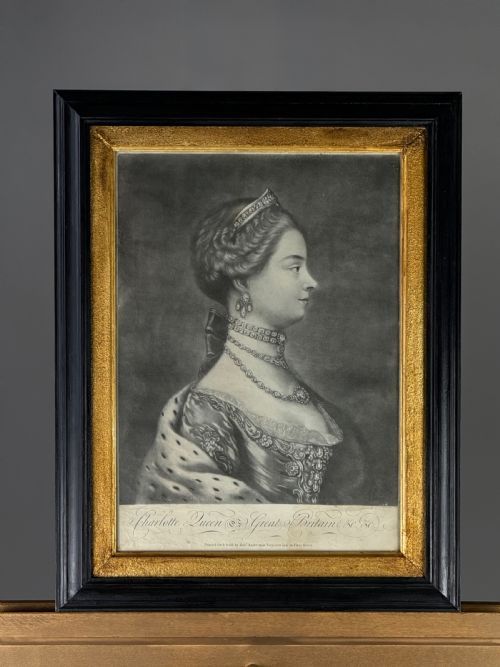
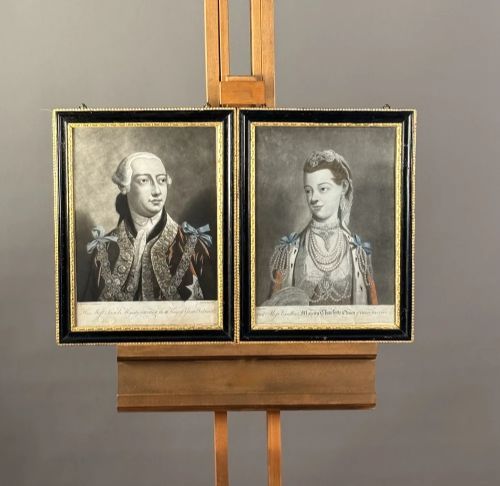
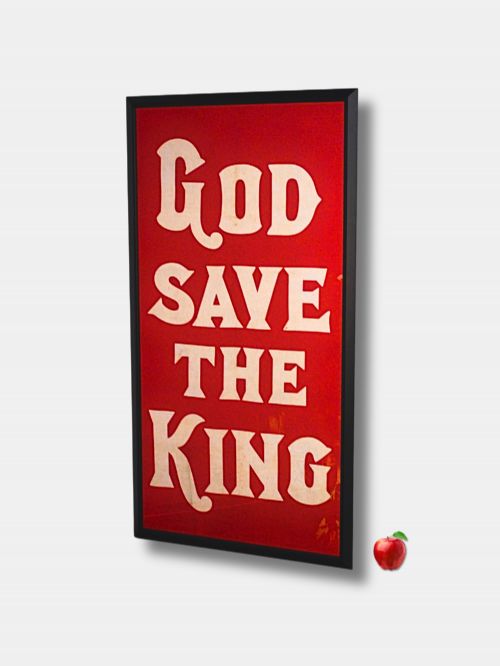
The selections on this page most frequently include 17th and 18th century mezzotint portraits alongside Victorian prints, flags, and framed wall art.
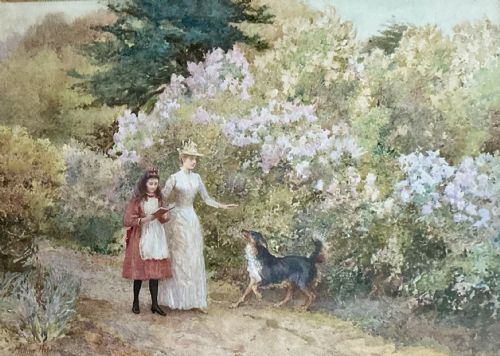
The material forms range from paper prints and watercolours to cotton flags and framed wall art housed in wood, gilt wood, and ebonised frames.
How they were made
Mezzotints were produced by roughening a copper plate to hold ink, creating rich tonal gradations that suited formal royal portraiture.
Framed works utilise materials such as paper, glass, ebonised wood, and gold leaf to protect and display the images.
Commemorative textiles such as flags and banners are constructed from cotton and linen fabrics.
Subjects range from solemn monarchs to a woollen Union Jack that somehow survived a Victorian attic.
What varies in quality
Quality rests in the fidelity of the impression and the skill of the printmaker translating an original painted portrait onto the plate.
The housing contributes significantly, with period frames featuring gilt wood, gold leaf, and ebonised wood holding higher distinction than plain modern surrounds.
The Antique British Royal Prints Glossary
- Mezzotint
- A printmaking process where the copper plate is roughened to achieve deep tones and subtle gradations of light and dark. It became the favoured method for royal portraiture in the seventeenth and eighteenth centuries.
- Gilt wood
- Wood carved and coated with gold leaf or metallic paint. It provides a reflective, decorative border for formal portraits.
- Ebonised wood
- Timber treated to resemble ebony through staining or finishing. This dark framing material offers a stark contrast to paper prints.
- Drypoint etching
- A printmaking technique where an image is scratched directly into a metal plate with a sharp needle. This creates a distinctive velvety line when printed.
- Political allegory
- An artwork that uses symbolic figures and imagery to convey political messages. These prints often comment on monarchs and governance.
Antique British Royal Prints: Frequently Asked Questions
What periods do these royal prints cover?
The listings span several centuries, starting from the seventeenth century and moving through the eighteenth century, the Georgian era, and the Victorian period.
Later items extend into the interwar British period, offering a broad historical sweep of royal representation.
How are these prints usually framed?
Many prints are mounted behind glass within wooden frames, which frequently employ ebonised wood, gilt wood, or gold leaf finishes.
These traditional surrounds help preserve the paper from atmospheric damage while enhancing the formal presentation.
Are there textiles included with the prints?
Yes, alongside paper prints and watercolours, the category encompasses historical cotton and linen items such as coronation flags and banners.
These textile pieces serve a similar commemorative function to framed wall art.
Who made the mezzotint portraits?
Mezzotints were typically executed by skilled printmakers who reproduced works by prominent painters of the period onto copper plates.
Publishers then distributed these sheets to collectors who wished to display likenesses of their sovereigns.