


Antique British Coat of Arms
An antique British coat of arms carries centuries of heraldic history, offering tangible connections to royal and military heritage for the discerning collector.
Antique British Coat of Arms
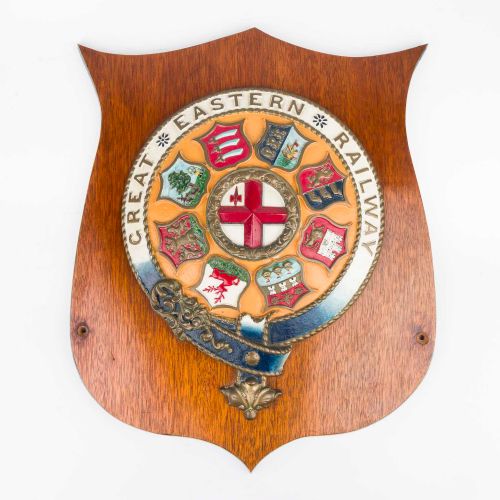
When you search for an antique British coat of arms, you are looking at heraldic wall plaques, carved armorial crests, and framed military embroideries that span from the eighteenth century to the mid twentieth century. These objects represent official royal emblems, railway crests, and regimental insignia produced in various forms over generations.
On this page, you are most likely to meet Victorian cast iron royal coats of arms alongside framed silk works and needlework commemoratives. The selection bridges formal heraldry with military trench art and railway memorabilia, reflecting how British civic and martial pride manifested across different eras.
Materials and construction
Heavy pieces rely on cast iron, often finished with enamel paint to define the intricate details of the heraldic motifs. These monumental wall sculptures and plaques required robust foundry work to capture the lions, unicorns, and shields of the royal arms.
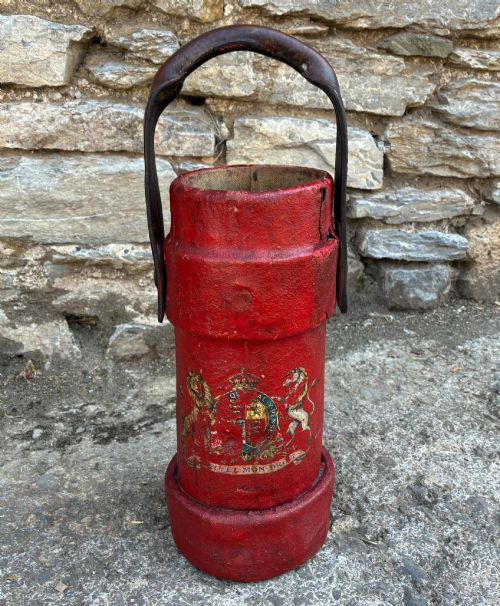
Textile pieces utilise silk, cotton, and wool threads worked into canvas or linen backgrounds, frequently framed for display. Meanwhile, trench art examples repurpose ordnance materials like cordite shell carriers and German shell casings, combining metalworking with engraved coats of arms.
Listings span multiple centuries, incorporating Georgian carved wood, Victorian cast iron, and twentieth-century trench art.
Distinguishing quality in armorial pieces
The distinction between standard items and superior examples lies in the crispness of the casting and the fidelity of the polychrome paintwork. Hand-carved wooden armorials from the eighteenth century demonstrate a depth of relief and sculptural mastery absent in later mass-produced iron variants.
For needlework and silk commemoratives, quality is judged by the tightness of the stitch and the preservation of the fabric. Pieces that retain their original framing and vibrant colouration stand apart from those with faded threads or compromised textile integrity.
The Antique British Coat of Arms Glossary
- Armorial crest
- The upper component of a coat of arms, traditionally depicted resting on a helm or coronet. It forms a central focus for many carved wooden and cast iron wall plaques.
- Trench art
- Decorative items created by soldiers from war scrap, such as shell cases and ordnance. These often feature engraved British coats of arms and regimental details.
- Cordite bucket
- A cylindrical metal container originally used to transport naval or artillery propellants. Surviving examples sometimes feature railway or military crests.
- Polychrome
- Painted in several colours, a technique essential for bringing heraldic shields and royal beasts to life on wood or metal plaques.
Antique British Coat of Arms: Frequently Asked Questions
What is an antique British coat of arms?
These pieces are heraldic displays, carved plaques, and embroidered memorials representing royal, military, or civic authority in Britain.
They serve as decorative wall art and historical documents reflecting changing artistic styles from the Georgian era through the twentieth century.
How were these armorial pieces used?
Most items were mounted on public buildings, railway stations, regimental messes, or private homes to display allegiance and prestige.
Smaller embroidered pieces and trench art items served as commemorative mementoes of military service and significant historical campaigns.
How do I date a cast iron coat of arms?
Dating relies on stylistic markers, foundry stamps, and the specific configuration of the royal heraldry shown on the shield.
Changes in the mottoes and quarterings across different royal reigns provide reliable clues for establishing the period of manufacture.
How should I display heavy iron plaques?
Cast iron wall sculptures require secure structural fixings into masonry or heavy timber studs to support their substantial weight safely.
Positioning them away from moisture prevents oxidation of the metal and protects any historic enamel paint finishes.