

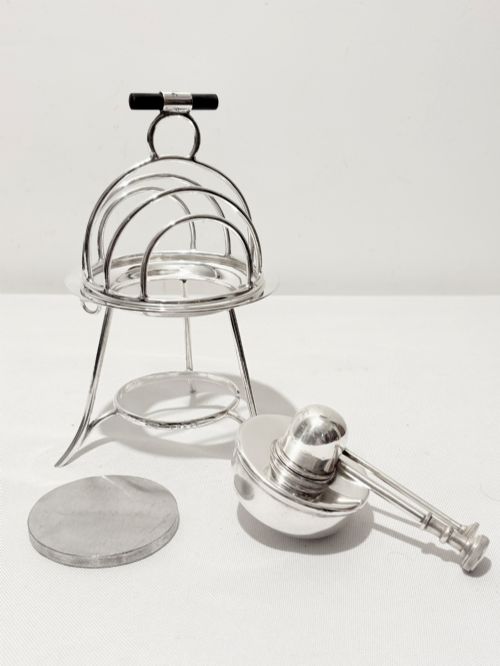


Antique Bread Server
An antique bread server brings daily function and history together, offering a sturdy wooden board or surface shaped for cutting and presenting loaves at table.
Antique Bread Server
When you search for an antique bread server, you encounter robust timber boards and trays designed for domestic service, most frequently represented here by sturdy oak surfaces and heavy prep tables from the nineteenth century. These kitchen implements evolved to handle heavy daily labour in traditional households, featuring durable hardwoods capable of withstanding constant slicing.
The selection ranges from simple pine and hardwood boards to elaborate carved oak forms echoing earlier Jacobean styles. Surviving pieces demonstrate the practical demands of nineteenth-century rural and urban kitchens, where utilitarian objects required both strength and modest decorative detail.
How they were made
Makers relied on solid regional timbers like oak and pine, selecting boards with tight grain to resist moisture from fresh loaves. Joinery techniques prioritised rigidity, often employing thick planks secured with heavy dowels or iron fixings.
Surfaces received simple hand-planed finishes rather than heavy varnishes, allowing the natural grain of the hardwood to endure decades of daily use and washing.
Antique Bread Server Retail Price Guide 2026
Typical asking prices for bread server among the pieces listed under this phrase on Sellingantiques today, from the lower quarter to the upper quarter. They describe what is for sale here now, not the wider market.
Many of these hard-working kitchen surfaces still bear the faint, parallel scars of nineteenth-century bread knives.
What varies in quality
Quality rests in the selection of the timber and the integrity of the original joints, where denser grain and minimal structural replacement distinguish superior examples. Pieces that retain their thick, unthinned proportions show greater care in original manufacture.
The degree of hand-carved detail and the preservation of honest surface wear dictate desirability among collectors. Simple utilitarian forms succeed through their untouched patination rather than decorative embellishment.
The Antique Bread Server Glossary
- Hardwood
- Timber derived from broad-leaved deciduous trees, such as oak, chosen for its density and resistance to heavy daily wear. This material forms the primary construction of durable kitchen boards.
- Patina
- The deep sheen and surface texture developed on wooden objects over centuries of handling and cleaning. It serves as a visual indicator of age and genuine domestic use.
- Dowel
- A cylindrical wooden pin used to secure joints without the aid of modern metal screws. Traditional makers relied on these to join heavy timber components firmly.
- Grain
- The natural alignment and pattern of wood fibres exposed during the cutting and planing process. Tighter grain patterns usually indicate slower-grown timber of higher structural integrity.
Antique Bread Server: Frequently Asked Questions
How were bread servers used?
These boards and surfaces provided a stable, dedicated platform for cutting daily bread before the advent of modern mass-produced kitchenware. They sat directly on kitchen tables or prep counters during meal preparation.
Their robust construction allowed them to withstand constant knife work and frequent cleaning without losing structural integrity.
How do I care for an antique wooden board?
Maintain antique wooden servers by keeping them away from direct heat sources and excessive moisture to prevent the timber from warping or splitting. Clean them gently with a damp cloth rather than submerging them in water.
Occasional treatment with food-safe mineral oil helps nourish dry wood and preserves the historical surface texture.
Are these servers made of oak?
Many surviving kitchen boards and related utilitarian items from the nineteenth century are constructed from solid oak or pine. Oak was chosen for its exceptional hardness and resistance to heavy knife cuts.
Other dense hardwoods also appear in domestic contexts, providing similar structural reliability for daily kitchen tasks.