

Antique Brass Table Display
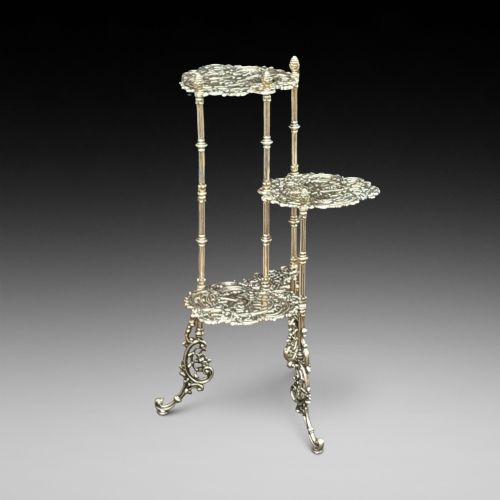
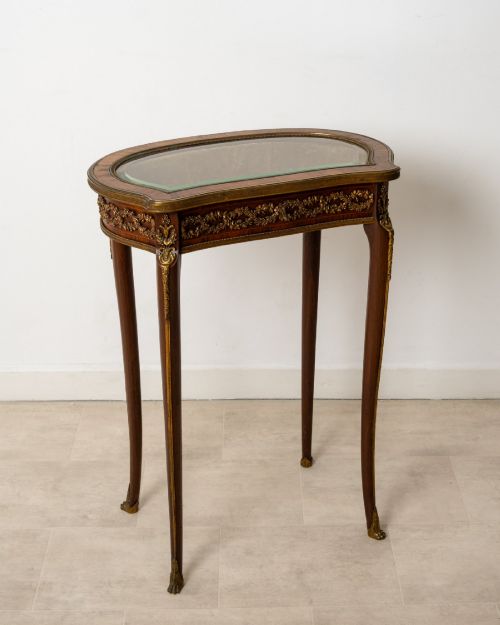
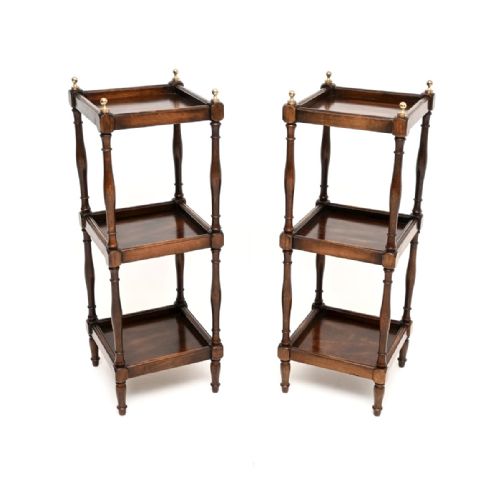
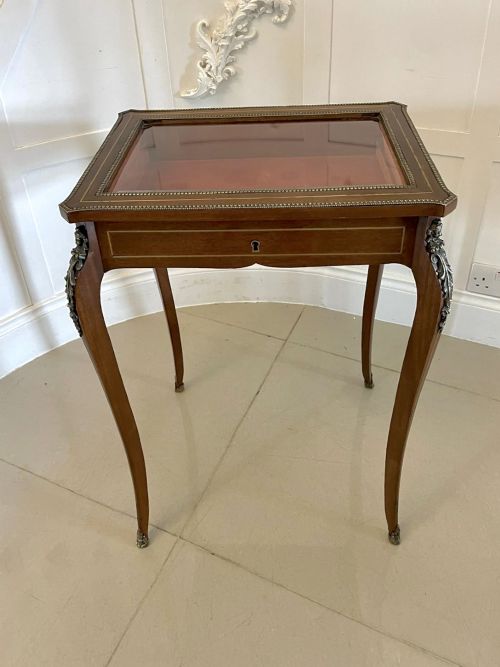
These antique brass table display pieces combine metals and timbers to showcase curiosities, emerging most frequently as Victorian or Edwardian etageres and vitrines.
Antique Brass Table Display
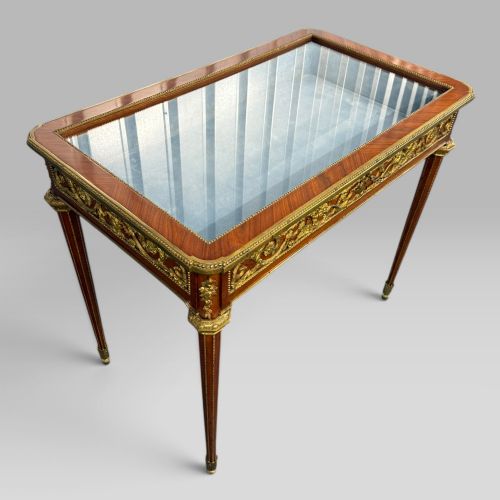
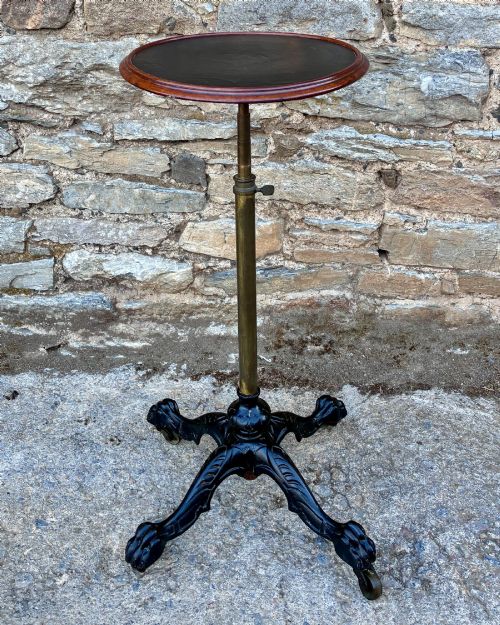
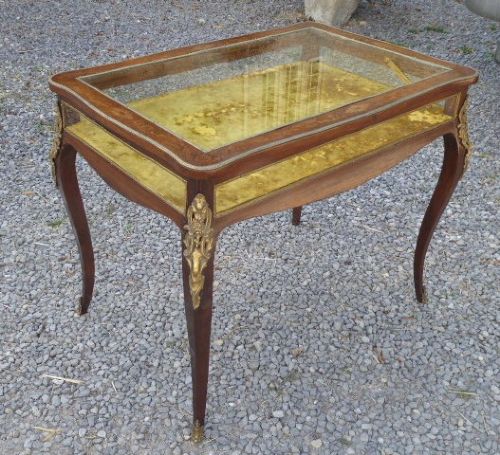
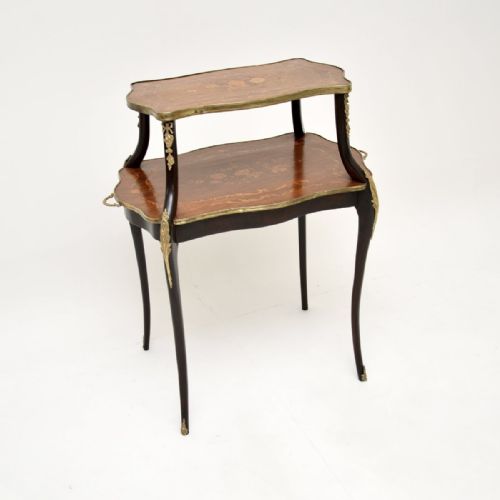
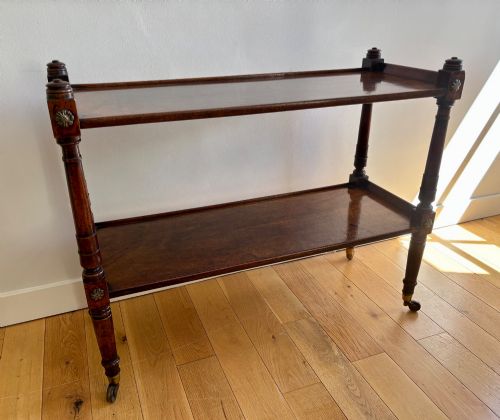
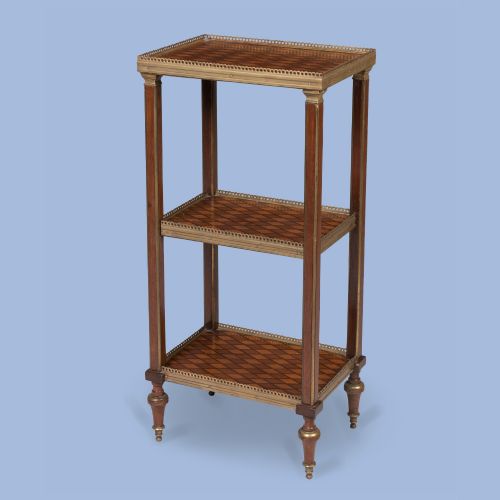
An antique brass table display encompasses etageres, bijouterie tables, and plant stands designed to hold small decorative objects. These items surface primarily in 19th-century Victorian and Edwardian iterations drawing on French Rococo Revival, Louis XV, and Regency styles.
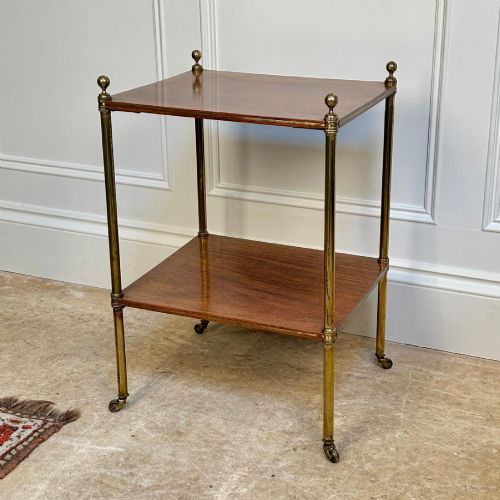
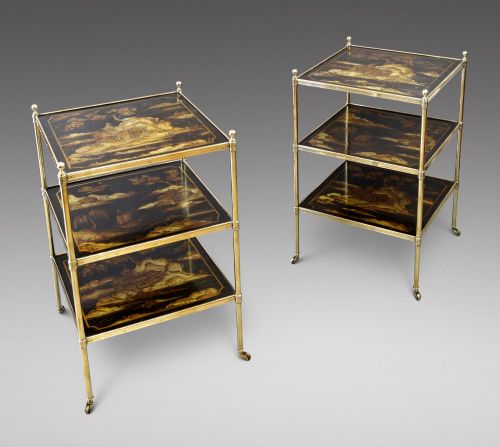
The category spans multi-tiered etageres, glass-topped vitrines, and brass-mounted occasional tables. Makers combined brass frameworks with mahogany, rosewood, walnut, and marquetry to create functional surfaces for ornamental display.
How they were made
Craftsmen built structural frames from timbers such as mahogany, rosewood, walnut, and ebonised wood, integrating brass mounts, rods, and cast details. Ormolu adornments appeared frequently on French-influenced pieces from the 19th century.
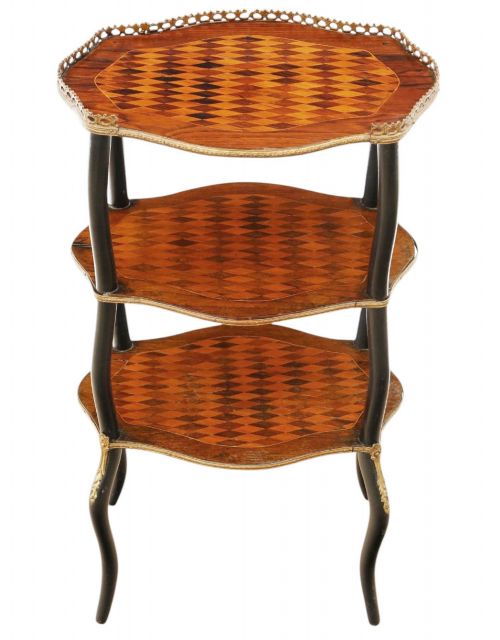
Surfaces incorporated intricate marquetry, parquetry, and inlay using satinwood and kingwood. Glazed compartments utilised fitted glass panels to enclose jewellery and small collector items safely.
Listings feature 19th century and Edwardian pieces utilising brass, glass, mahogany, and ormolu.
What varies in quality
Construction standards depend on the precision of timber joinery and the weight of the brass framing. Superior examples display crisp, hand-chased ormolu mounts rather than cast metal with soft definition.
The refinement of marquetry patterns and the integration of secondary woods indicate the tier of workshop production. Pieces retaining original glass panels and functional adjustable internal fittings demonstrate higher original intent.
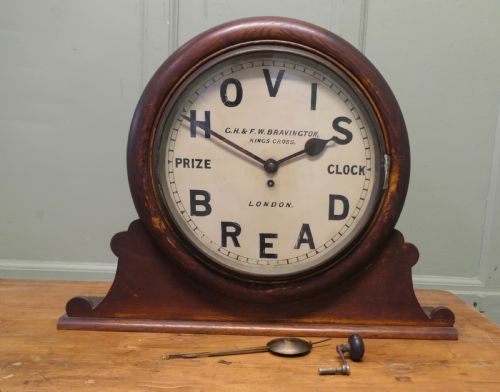
G H F W Bravington
The Antique Brass Table Display Glossary
- Etagere
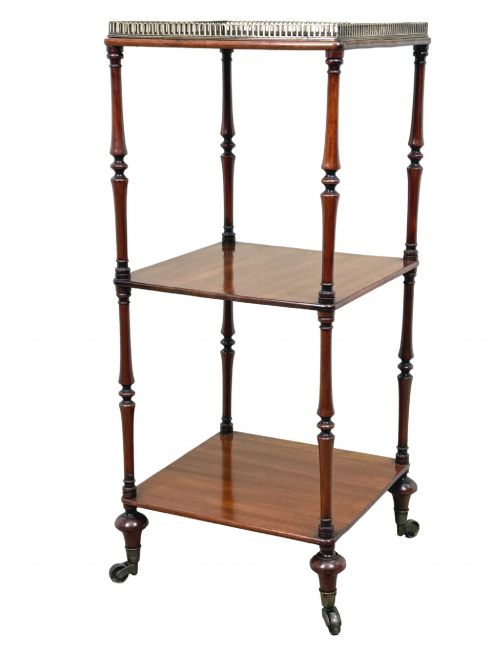
- A piece of furniture with a set of open shelves for displaying small objects. These tiers allow items to be viewed from multiple angles.
- Bijouterie table
- A glass-topped display table intended for jewellery and small curiosities. They often feature hinged lids lined with velvet or silk.
- Ormolu
- Gilt bronze mounted onto furniture or decorative items. This technique involves applying a gold amalgam to bronze.
- Marquetry
- Decorative veneer applied to furniture in patterned wood designs. Craftsmen cut contrasting timbers to form pictorial motifs.
- Vitrine
- A glass display cabinet used to protect and exhibit collectibles. These enclosures keep dust away from delicate items.
Antique Brass Table Display: Frequently Asked Questions
What is an etagere?
An etagere is a multi-tiered shelving unit designed to display small decorative objects. These open pieces allowed Victorians to exhibit porcelain, silver, and curiosities.
They appear in various timbers such as mahogany and rosewood, often supported by brass columns or corner mounts.
How were bijouterie tables used?
Bijouterie tables functioned as specialised display furniture for jewellery, medals, and small collectibles. The glazed top and sides permitted viewing while keeping valuable items secure.
Many included fitted interior compartments lined with fabric to cushion delicate objects.
Which woods appear most often?
Mahogany, rosewood, and walnut form the primary structural timbers for these display pieces. Makers also utilised exotic woods like kingwood and satinwood for marquetry panels.
Ebonised wood and amboyna surface frequently in mid to late 19th-century examples.
How do I date a piece?
Dating relies on stylistic clues, construction methods, and materials associated with specific periods. Victorian and Edwardian examples often feature machine-made screws alongside hand-cut dovetails.
French influences such as Louis XV Revival styles became particularly popular during the mid-to-late 19th century.