

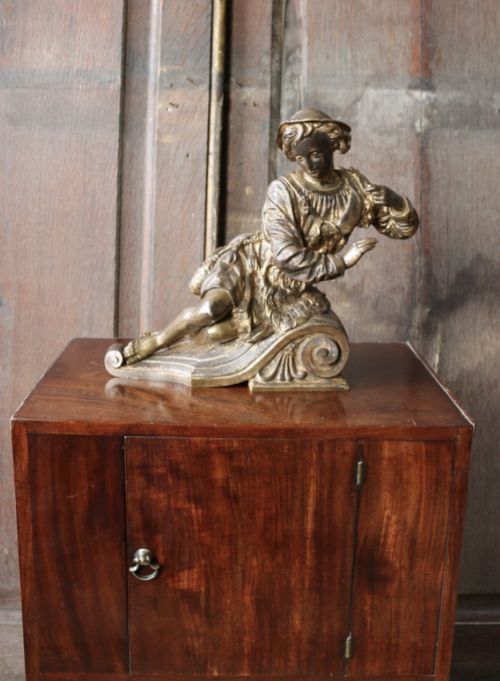


Antique Brass Statuette
An antique brass statuette brings centuries of metalwork into a room, offering small-scale sculpture cast in brass, bronze, and gilt metal.
Antique Brass Statuette
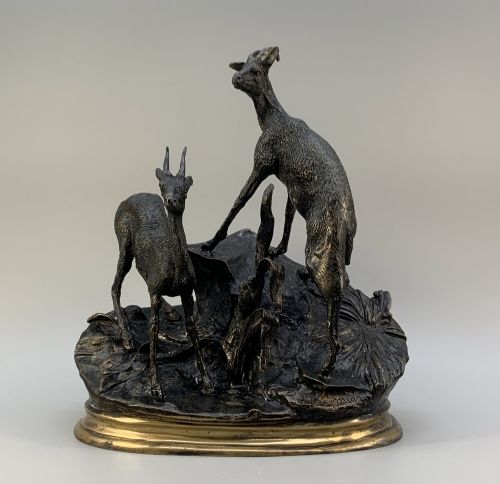
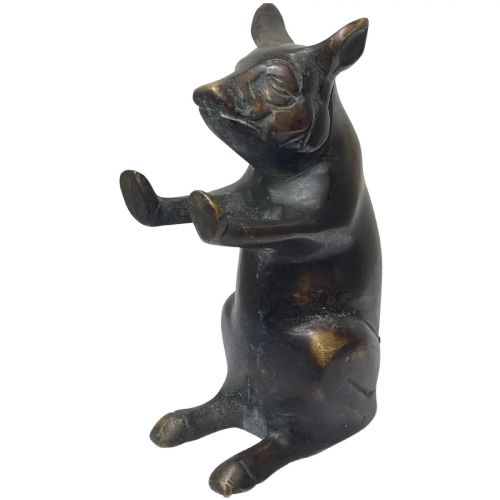
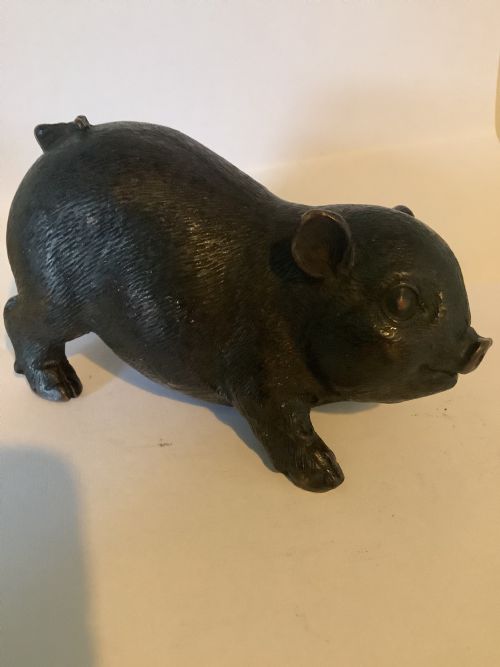
The antique brass statuette spans centuries of metalwork, taking the form of figures, animals, and classical subjects designed for domestic display or functional use. When searching for an antique brass statuette, buyers encounter diverse interpretations ranging from Georgian doorstops and Victorian desk accessories to Grand Tour souvenirs and Asian gilt-metal figures.
Makers and casters produced these small sculptures across multiple periods, including the eighteenth, nineteenth, and early twentieth centuries. Objects vary widely in function, appearing as standalone figures, clock ornaments, bookends, and inkwells.
Stylistic influences stretch from French Rococo and Renaissance Revival to Art Deco and Neoclassical designs. This variety ensures that each piece reflects the specific aesthetic priorities of its era.
Materials and casting methods
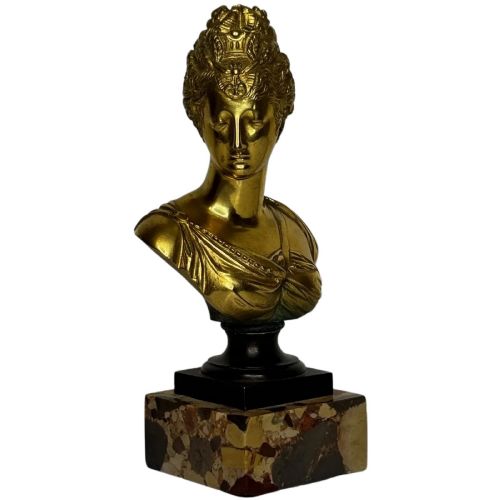
Metalworking techniques rely primarily on casting, utilising brass, bronze, and gilt bronze to achieve durable forms. Artisans also incorporated ormolu and gilded bronze surfaces to enhance decorative impact.
Many items combine cast metal with secondary materials such as marble bases, wood components, or glass elements. These structural choices support the weight of the statuette and provide stable display formats.
Antique Brass Statuette Retail Price Guide 2026
Typical asking prices for brass statuette among the pieces listed under this phrase on Sellingantiques today, from the lower quarter to the upper quarter. They describe what is for sale here now, not the wider market.
Materials recorded across the inventory include gilt bronze, marble, wood, glass, and cast brass.
Assessing quality in cast metal
The finish also dictates value, with genuine fire gilding, fire-gilt surfaces, and undisturbed patination outperforming later paint or inferior plating. The integrity of assembly, especially in multi-part figures and mounted pieces, marks superior execution.
Emile-Coriolan Guillemin·Dalou
The Antique Brass Statuette Glossary
- Ormolu
- Gilded bronze, where a mercury-gilding technique applies a gold-and-mercury amalgam to a bronze base before heating. This process creates a durable, luminous golden surface found on decorative mounted pieces.
- Grand Tour
- A nineteenth-century travel custom where wealthy collectors acquired classical souvenir bronzes and statuettes in Italy and Greece. These replicas reproduce famous antiquities for home display.
- Chasing
- The manual refinement of a cast metal surface using hammers and punches to sharpen details and remove casting flaws. Skilled chasing separates mass-produced items from fine studio works.
- Patina
- The surface sheen and colour acquired by metal through age, handling, and oxidation over decades or centuries. Collectors value undisturbed patination for its historical authenticity.
- Andiron
- A horizontal metal support used in pairs inside a fireplace, often featuring decorative cast figures or statuettes on the upright front. These dual-purpose objects combined utility with sculptural display.
Antique Brass Statuette: Frequently Asked Questions
How were antique brass statuettes displayed?
These small sculptures stood on mantelpieces, desks, and side tables as decorative ornaments or integrated into functional objects like inkwells and doorstops.
Their compact size allowed them to be easily moved and arranged within domestic interiors.
What is the difference between brass and bronze?
Brass is an alloy primarily composed of copper and zinc, yielding a brighter, yellower tone when polished. Bronze is an alloy of copper and tin, which produces a darker, warmer metal capable of taking richer patinas.
Many antique listings group these copper-alloy objects together based on visual appearance and casting origin.
How do I date an antique statuette?
Dating relies on stylistic markers, casting technology, mounting materials, and surface wear. Pieces often reflect the prevailing aesthetic of their period, such as Neoclassical revivalism or Art Deco geometry.
Accompanying elements like marble bases or wooden mounts also help narrow down the period of manufacture.
Are all brass statuettes solid cast?
Many smaller figures and decorative objects are cast solid, while larger sculptures are often hollow to save weight and metal. Hollow castings were produced using techniques like lost-wax casting or multi-part sand moulds.
Internal inspection or weight distribution usually reveals the construction method used by the foundry.