

Antique Brass Sconce Light
These antique brass sconce light fixtures illuminate interiors with period character, cast metalwork, and functional wall mounting.
Antique Brass Sconce Light
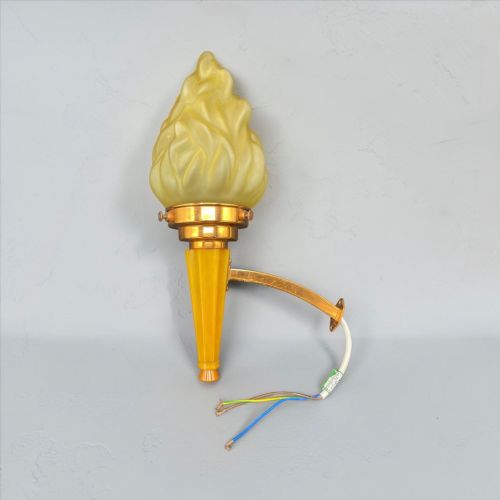
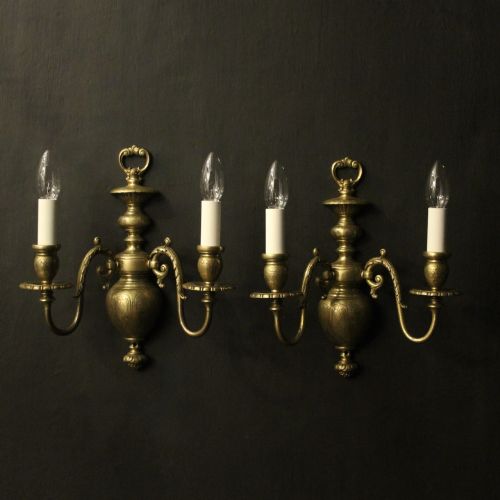
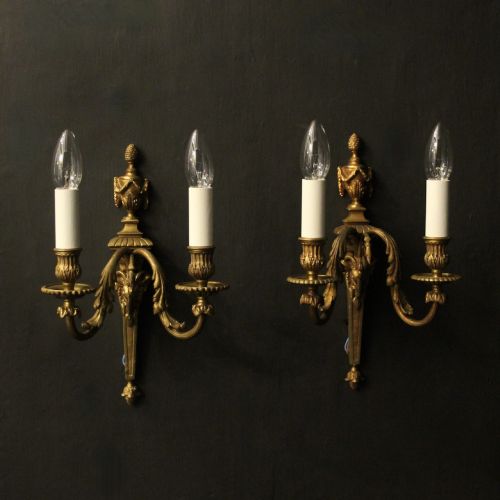
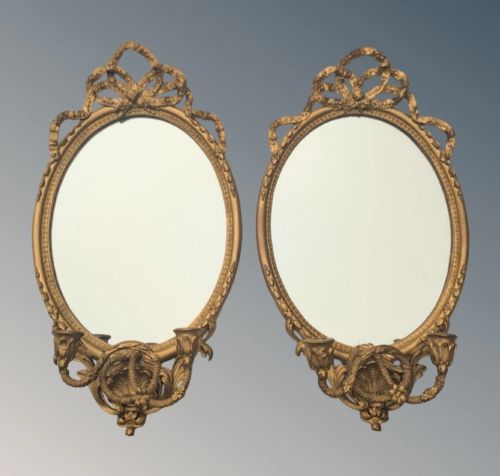
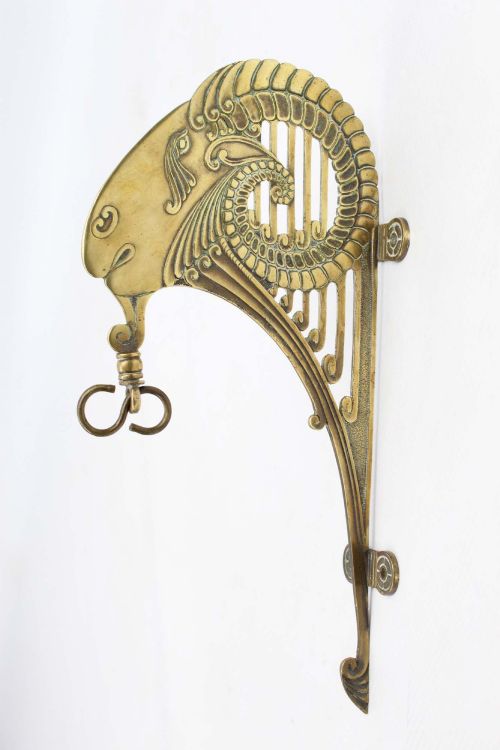
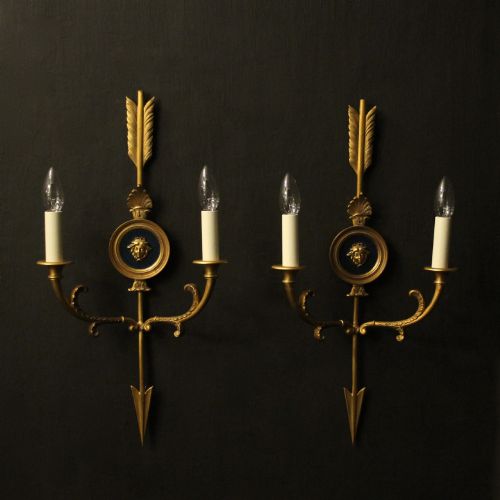
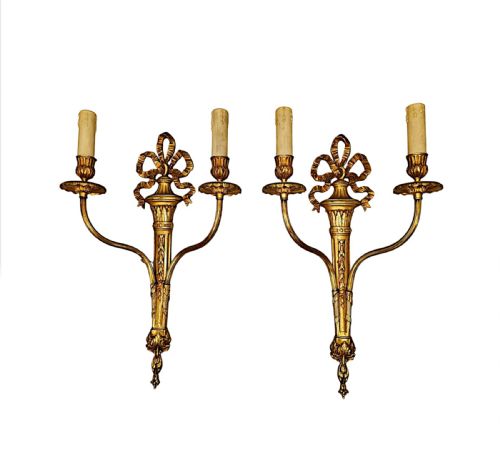
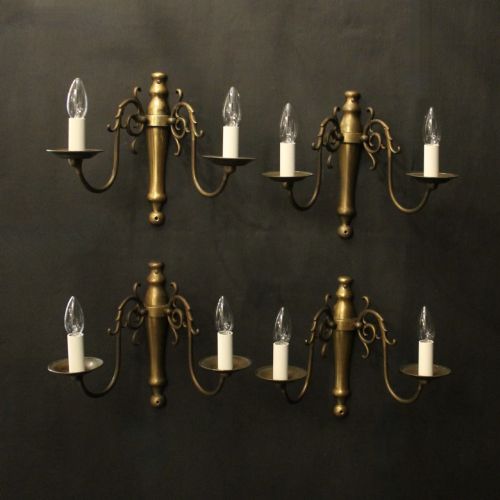
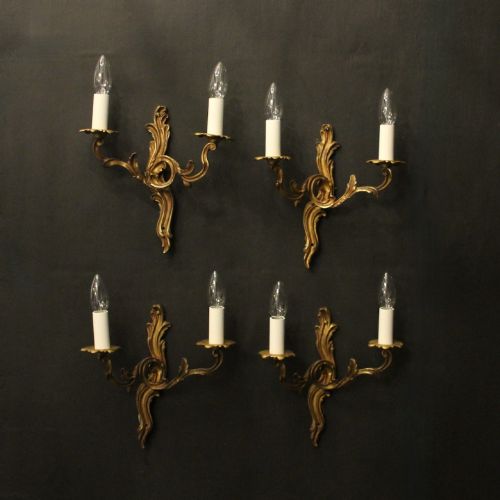
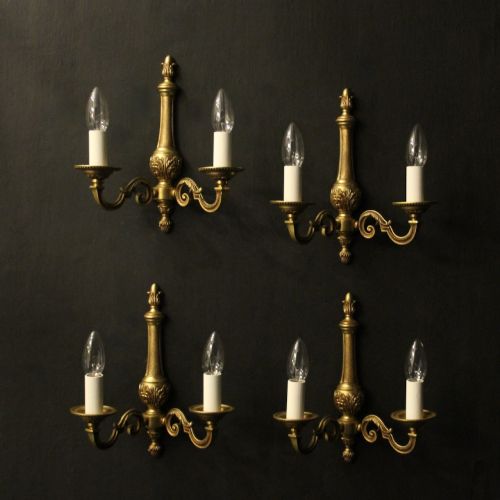
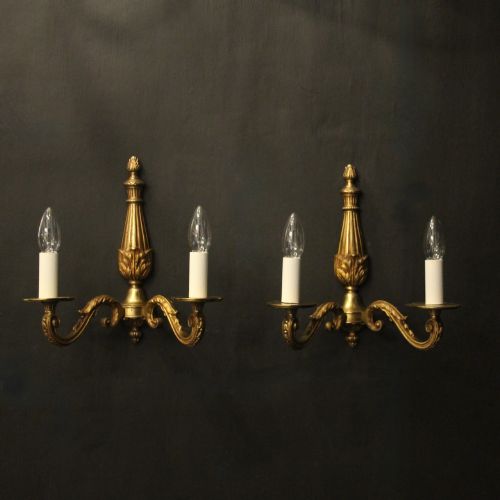
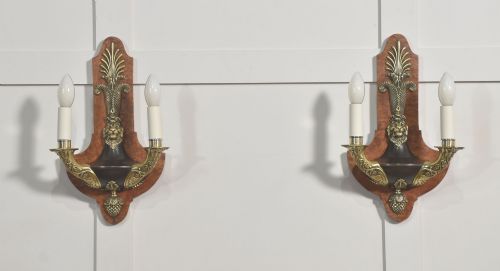
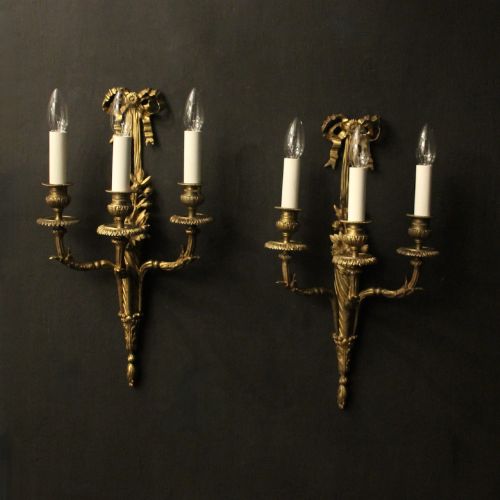
When searching for an antique brass sconce light, buyers encounter wall-mounted luminaires originating from the nineteenth and early twentieth centuries. These pieces encompass twin-arm fixtures, half-lanterns, and mirrored wall sconces designed to hold candles or electric bulbs.
The inventory includes matched sets of four or six pieces alongside pairs and single wall lights. Forms range from simple cast backplates to elaborate multi-arm fixtures decorated with ribbons, crystal drops, and foliate motifs.
Materials and Construction Methods
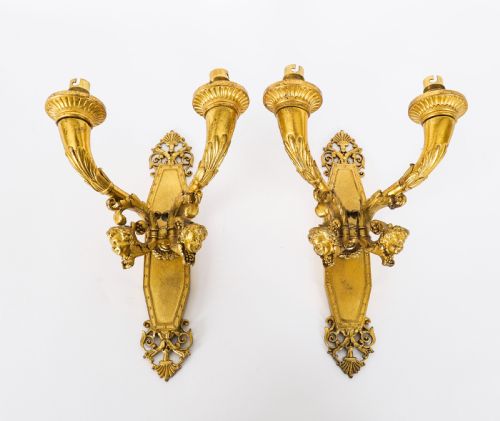
Construction relies heavily on brass, bronze, and gilt metal, shaped through casting, chasing, and smithing. Makers utilised ormolu and gilding to enrich the metal surfaces of French Rococo and neoclassical wall lights.
Many items incorporate secondary materials such as cut crystal, glass panels, and mirrored backplates to reflect and amplify the illumination. Wrought iron and copper appear in Arts and Crafts and industrial designs from the early twentieth century.
Assembly methods involve threaded components, pinned joints, and hand-finished mounts that secure arms and drip pans to the main wall backplate.
A Regency gilt bronze pair depicts squirrels frolicking among tree branches, holding campana sconces in their paws.
Distinctions in Quality and Execution
The standard of an antique brass sconce light depends upon the crispness of the casting and the depth of the hand-chasing on the metal. Finer pieces retain sharp detail in acanthus leaves, ribbons, and figural mounts, whereas lower-tier examples show softer contours from worn moulds.
Quality reveals itself in the weight of the metal and the integrity of the structural joints supporting the arms. Heavier gauge brass and solid bronze provide stability and longevity compared to thin pressed sheet metal.
Surface finish also differentiates the range, with fire-gilt ormolu and well-preserved gilding representing superior workshop output. Original matching components, such as drip pans and backplates, elevate the integrity of a matched set.
W.A.S. Benson·Bruce Talbert·Casier·Villeroy and Boch
The Antique Brass Sconce Light Glossary
- Ormolu
- Gilded bronze produced by applying a mercury and gold amalgam to a bronze base and firing it in a kiln. This technique creates a durable, rich golden surface seen on French decorative arts.
- Girandole
- A branched wall light incorporating a mirror on the backplate to reflect light into the room. These fixtures frequently use crystal drops to enhance the illumination.
- Drip pan
- A small circular plate positioned beneath the candle holder to catch melting wax. In later electrified conversions, this element often remains as a decorative bobeche.
- Campana
- A vase-shaped candle socket resembling an inverted classical bell. This form appears frequently on Regency and nineteenth-century lighting.
Antique Brass Sconce Light: Frequently Asked Questions
How do I wire an antique wall sconce?
Most antique brass wall sconces require professional rewiring to meet modern electrical safety standards. Electricians run insulated flex through the hollow arms and backplates to connect safely to domestic mains supplies.
Buyers should ensure that any conversion preserves the structural integrity of the original metalwork without drilling unnecessary holes or damaging antique finishes.
Were these lights originally for candles or electricity?
Many surviving examples began as candle sconces or gas lamps before being converted to electricity during the twentieth century. Early twentieth-century production also includes transitional pieces designed specifically for early electric bulbs.
Examining the nozzle interior and internal wiring channels usually reveals whether a fixture was adapted from an earlier lighting medium.
How do I clean antique brass?
Maintenance requires gentle dusting with a soft, dry cloth to prevent the accumulation of grime on the metal surface. Avoid aggressive chemical polishes that strip away historical patination and original gilding.
Preserving the natural age of the brass maintains the visual depth and historical character of the piece.
How are wall sconces mounted securely?
Secure installation depends on screwing the backplate directly into wall studs or using appropriate cavity anchors suited to the weight of the metal. Heavier cast bronze and multi-arm sets require robust fixing points to support the load safely.
Consulting a qualified installer ensures the fixture hangs flush against the wall without straining the backplate.