


Antique Brass Ring Handles
Antique brass ring handles are dependable ironmongery pieces that elevate plain drawer fronts and cabinet doors.
Antique Brass Ring Handles
Antique brass ring handles are functional furniture mounts designed for chests of drawers, desks, and clocks across multiple centuries.
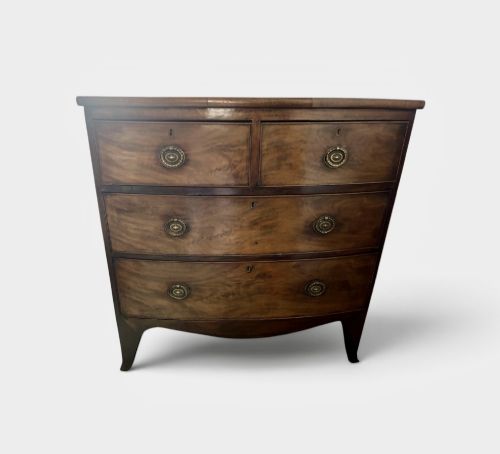
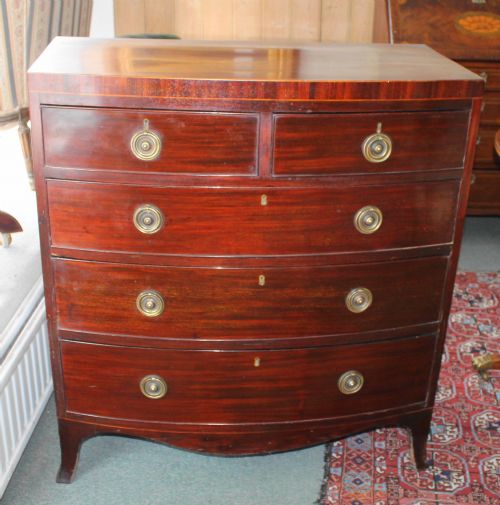
You are most likely to meet pieces attached to mahogany bow front chests of drawers from the Regency and Victorian periods.
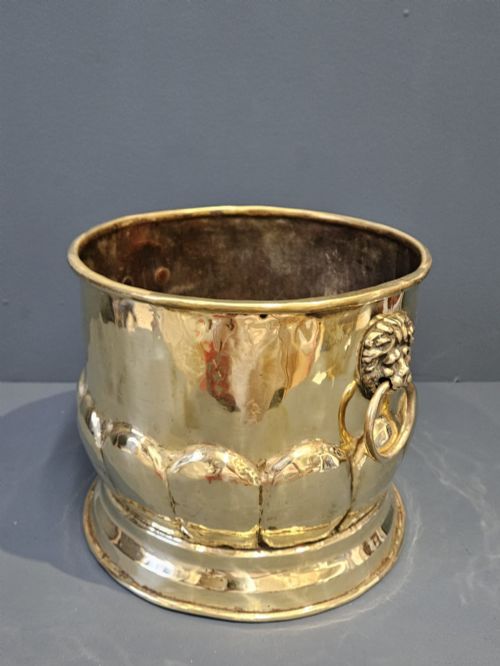
These fixtures also appear on bracket clocks, cabinets, and planters, reflecting diverse domestic uses.
How they were made
Makers cast brass into rigid rings and backplates, often finishing the metal with polished or embossed details.
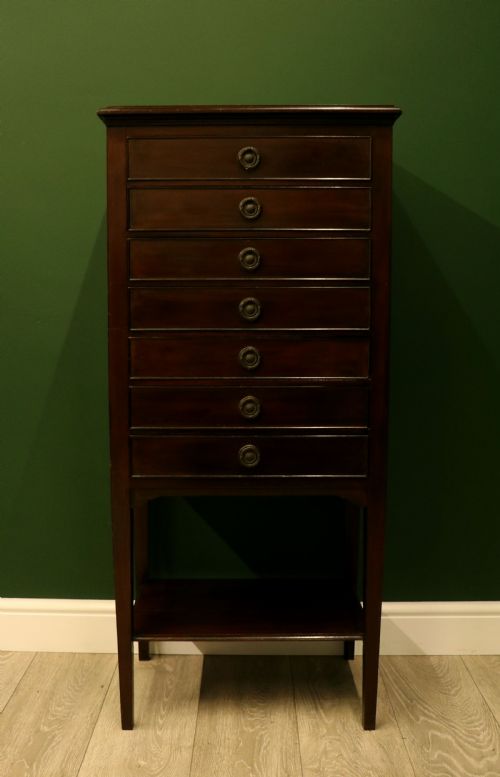
Craftsmen mounted these mounts onto primary timbers like mahogany and walnut, frequently combining them with boxwood inlay, ebony, or gold leaf.
The associated cabinetwork relies on traditional joinery to support the weight and pull of the hardware.
Listings feature mahogany, walnut, and painted wood objects spanning the 18th, 19th, and early 20th centuries.
What varies in quality
The crispness of the brass casting determines how sharply defined the decorative motifs and edges appear.
Weight and gauge of the metal separate sturdy, enduring handles from thinner, lighter alternatives.
Integration with the furniture timber shows whether the hardware was designed specifically for the piece or added later.
Joseph Lum of London
The Antique Brass Ring Handles Glossary
- Bow front
- A convex curved furniture front that projects outward in the centre. This shape frequently carries brass ring handles on its drawers.
- Bracket clock
- A portable household clock originally designed to sit on a bracket. These often feature brass carrying handles or dial mounts.
- Caddy top
- A domed or moulded lid style found on clocks and boxes. The top echoes the shape of tea caddies from the period.
- Inlay
- A technique where contrasting materials like ebony or boxwood are set into the surface of the primary wood. This decoration often surrounds or complements the hardware.
- Jardinière
- An ornamental pot or stand for holding plants or flowers. Examples in the evidence include brass, copper, and bronze constructions.
Antique Brass Ring Handles: Frequently Asked Questions
Are these handles original to the furniture?
Original brass ring handles fit snugly into existing timber indentations and match the wear of the surrounding wood.
Replacement hardware often leaves behind filled screw holes or lighter unoxidised timber underneath the backplate.
What woods were used alongside brass hardware?
Mahogany is the primary timber seen in the listings, particularly on Regency and Georgian chests of drawers.
Other supporting materials include walnut, ebony, boxwood inlay, and painted wood surfaces.
How do I care for antique brass?
Dust brass ring handles gently with a dry, soft cloth to maintain the natural patina accumulated over centuries.
Avoid aggressive metal polishes that strip away age and wear, as collectors prefer an undisturbed surface.
What periods do these pieces span?
The available listings and archive pieces stretch from the 18th century through the Regency, Victorian, and Edwardian eras into the early 20th century.
Styles range from George III and neoclassical designs to 19th-century rustic pieces.