





Antique Brass Panel Cabinet
These antique brass panel cabinet pieces combine rich timber frames with metallic detail, offering both secure storage and striking period character for the home.
Antique Brass Panel Cabinet
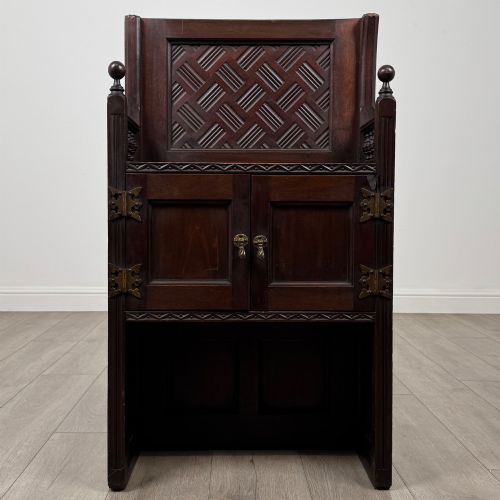
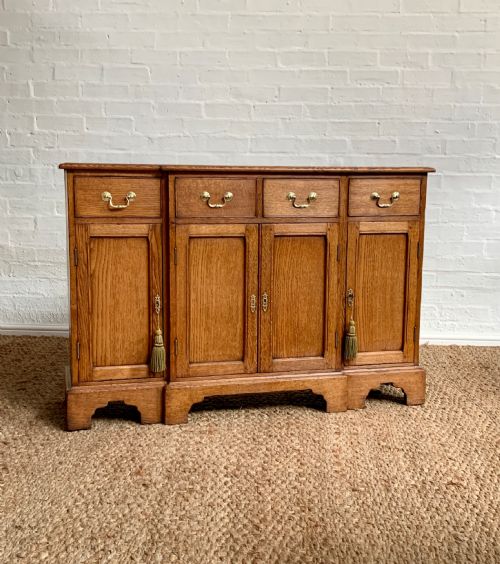
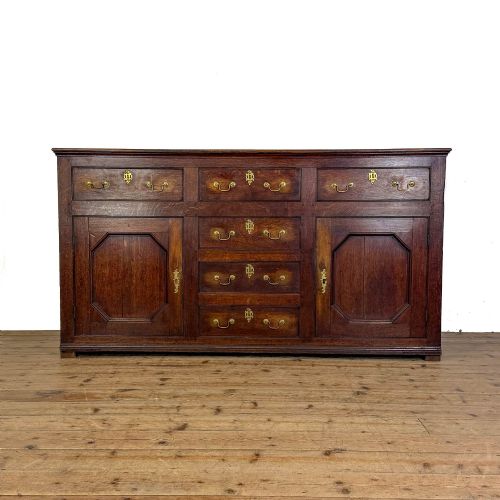
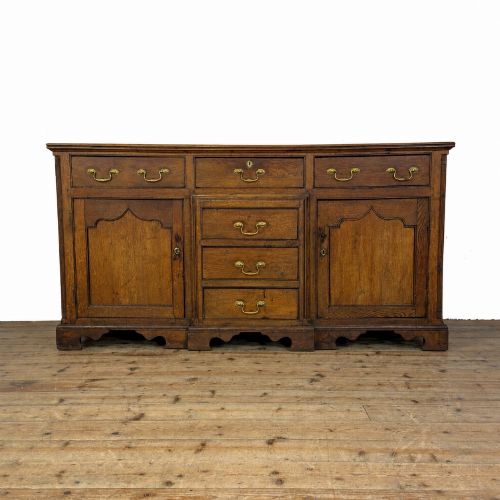
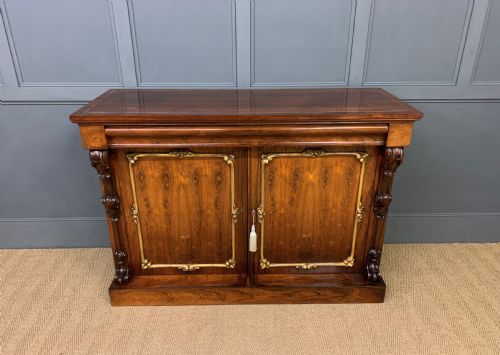
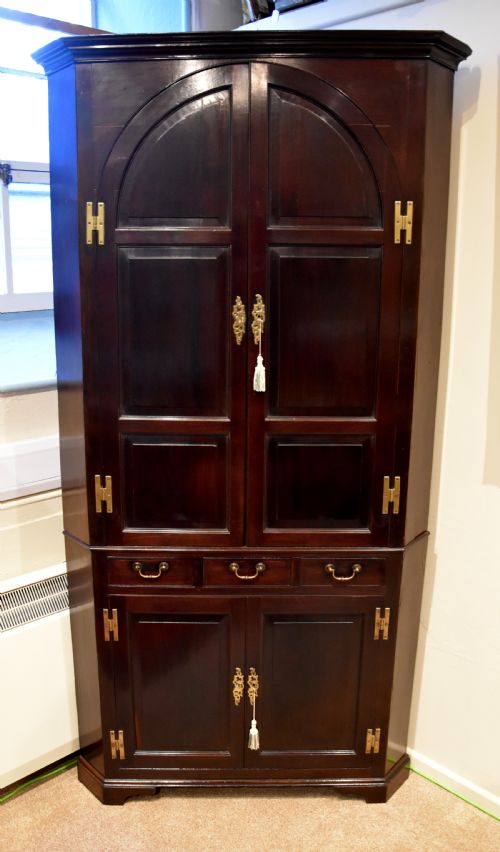
When you search for an antique brass panel cabinet, you encounter a selection of case furniture spanning the seventeenth, eighteenth, nineteenth, and early twentieth centuries. The selection encompasses diverse forms ranging from side cabinets and chiffoniers to corner cupboards, dressers, and display vitrines.
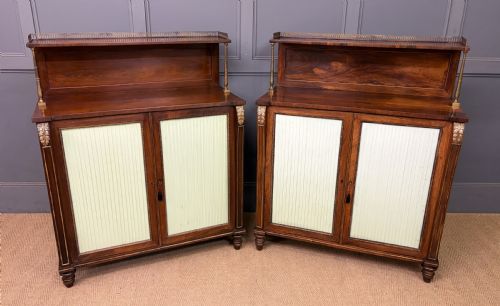
You are most likely to meet refined nineteenth-century rosewood and mahogany side cabinets alongside sturdy oak pieces from the Georgian and earlier periods. Many feature specialised inserts such as pleated chiffon or painted panels alongside their metallic elements.
The regional variety extends from English country oak to French walnut commodes and exotic woods like Cuban mahogany. Each object serves a domestic storage function while displaying the distinct stylistic preferences of its respective era.
Materials and construction methods
Cabinet makers utilised dense hardwoods such as oak, mahogany, rosewood, and walnut to build the primary carcass and framing. These timbers provided the structural stability necessary to support heavy glass doors and fitted interior shelving.
Brass was incorporated through cast mounts, inlaid stringing, grilles, and decorative panels set directly into doors or sides. Ormolu mounts and pleated fabric panels also appear to soften the appearance of the heavier timber structures.
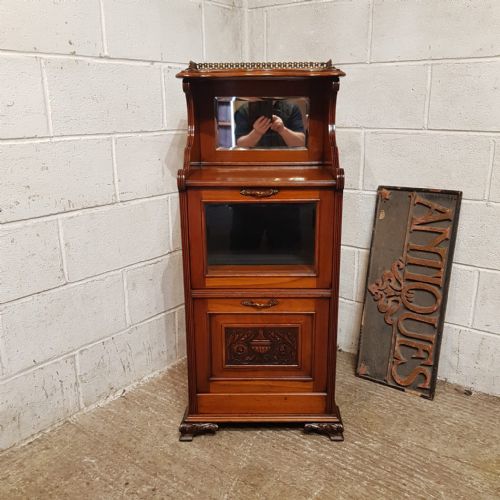
Henry Ogden and Son once built a dedicated musician's cabinet in Manchester, proving that even sheet music deserved brass-panelled grandeur.
Evaluating craftsmanship and execution
Quality separates pieces through the precision of the timber joinery and the crispness of the brass casting or inlay work. Superior examples display seamless integration of metal elements into the wood grain without gaps or rough edges.
The choice of primary timber and secondary framing woods dictates the overall durability and visual depth of the cabinet. Finer specimens utilise well-figured veneers and substantial brass hardware that age gracefully over centuries of use.
Henry Ogden and Son
The Antique Brass Panel Cabinet Glossary
- Chiffonier
- A low sideboard or cabinet, popular during the Regency period, often featuring enclosed shelving below and sometimes fitted with fabric panels to the doors. It provides compact storage and a useful top surface for display.
- Vitrine
- A glass-fronted display cabinet designed to showcase porcelain, books, or curiosities. These pieces rely on delicate framing to maximise visibility.
- Ormolu
- Gilded bronze or brass applied as decorative mounts to furniture. It adds metallic contrast and ornamental detail to the corners and panels of the cabinet.
- Secretaire
- A cabinet or desk incorporating a pull-down writing flap concealing small drawers and pigeonholes. It merges writing utility with enclosed storage.
- Breakfront
- A cabinet design where the central section projects forward from the flanking wings. This architectural arrangement creates depth and shadow across the front elevation.
Antique Brass Panel Cabinet: Frequently Asked Questions
What is a brass panel cabinet used for?
These cabinets serve as versatile storage units in reception rooms, hallways, and dining spaces. They safely hold tableware, books, or collections while displaying decorative timber and metalwork.
The enclosed cupboards keep contents dust-free, while flat top surfaces provide space for lamps, clocks, or decorative objects.
How do I style an antique cabinet at home?
Place the piece against a neutral wall to let the grain of the oak, rosewood, or mahogany stand out. Keep surrounding decor simple so the brass panels remain a focal point.
Use the interior shelves for curated objects or books, ensuring the piece maintains its historical character within a modern interior.
How do I date an antique cabinet?
Examine the secondary woods, construction joints, and overall style to determine the period of origin. Pieces from the seventeenth and eighteenth centuries often feature hand-cut joinery and solid oak construction.
Nineteenth-century examples frequently employ rosewood, mahogany, and applied brass or chiffon panels characteristic of the Regency and Victorian eras.
Are these cabinets made of solid wood?
Many earlier pieces utilise solid oak throughout their primary structure and shelving. Later nineteenth-century designs often incorporate fine veneers over stable secondary timbers to prevent warping.
The application of brass panels and inlay complements these timber choices across various periods.