
Antique Brass Mounted Glass
These pieces of antique brass mounted glass combine heavy metalwork with clear or coloured vessels to create functional display items and desk accessories.
Antique Brass Mounted Glass
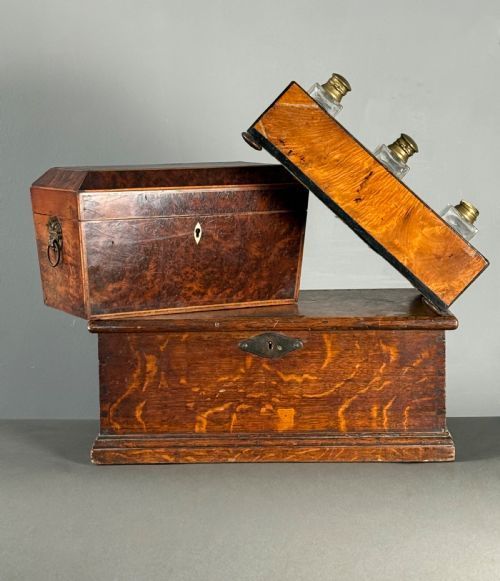
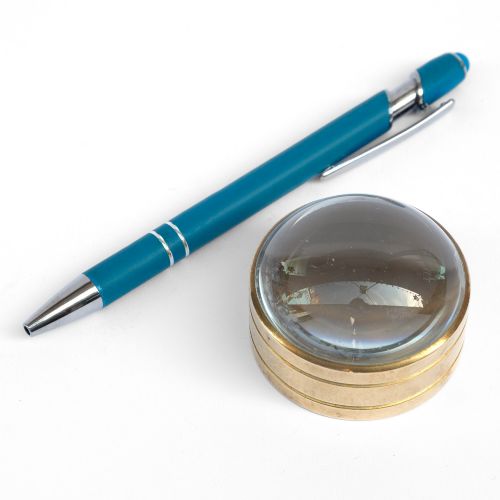
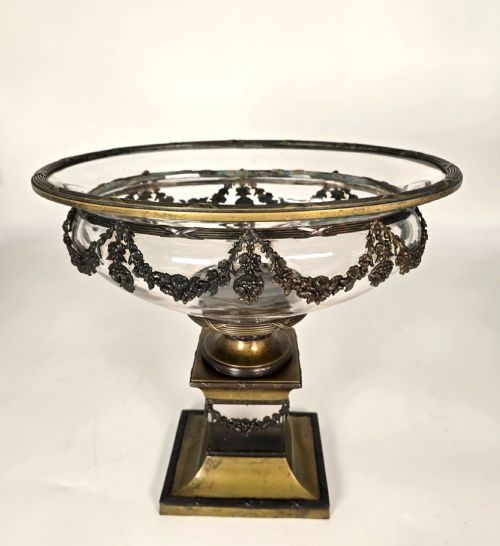
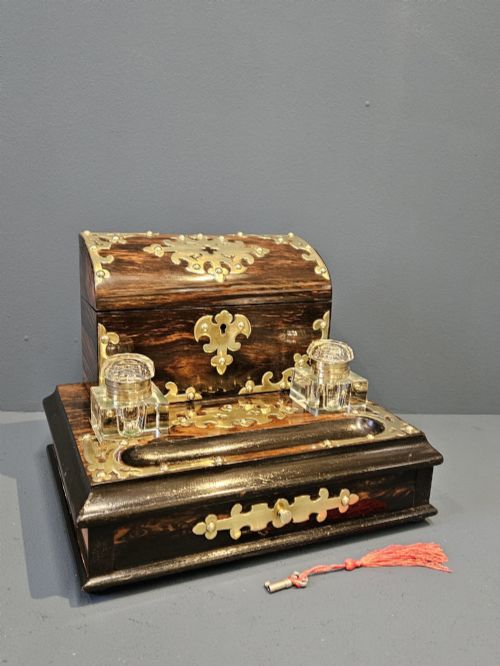
When you search for antique brass mounted glass, you encounter a variety of functional and decorative items designed to showcase or store small treasures. The selection ranges from Victorian inkstands and scent caskets to decorative bowls and trinket boxes.
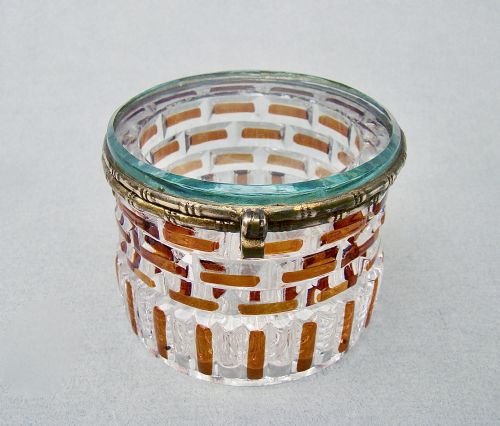
You are most likely to meet French and English examples from the nineteenth century, including cut glass trinket boxes and mounted scent bottles. These pieces often incorporate brass or ormolu mounts to secure and embellish the glass components.
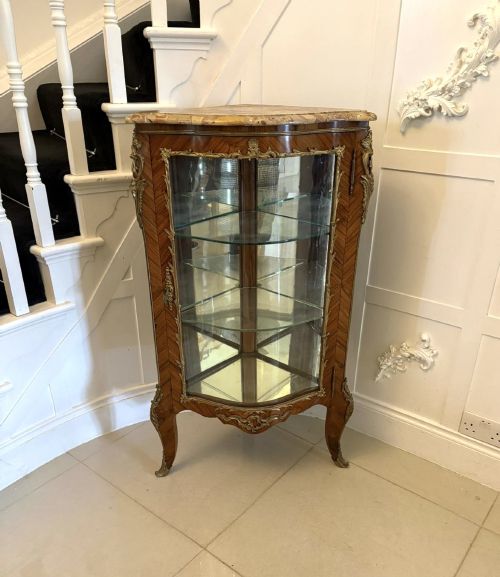
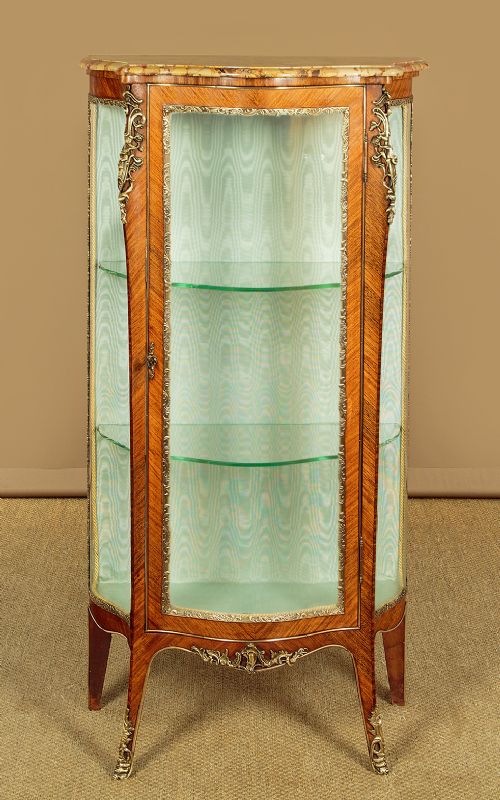
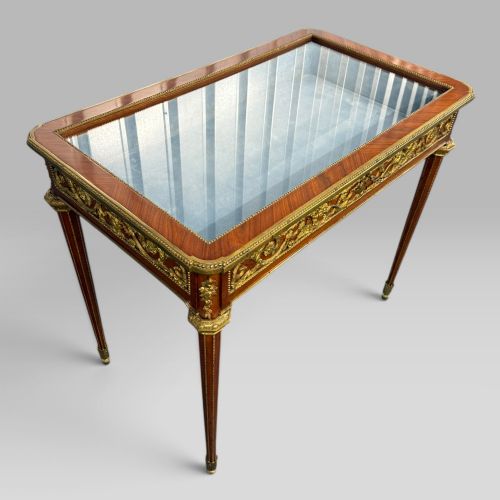
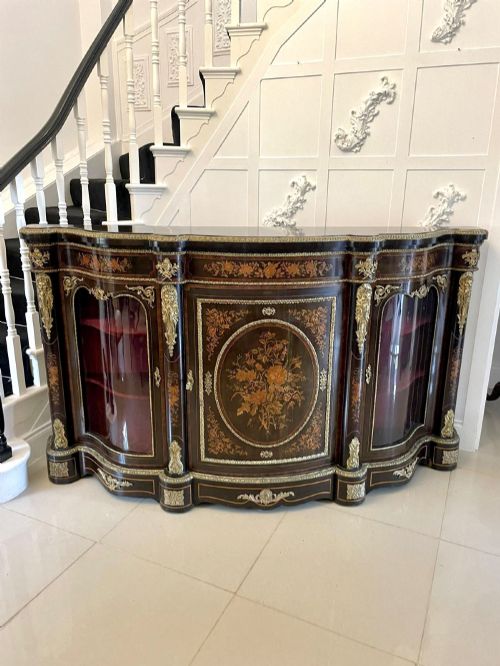
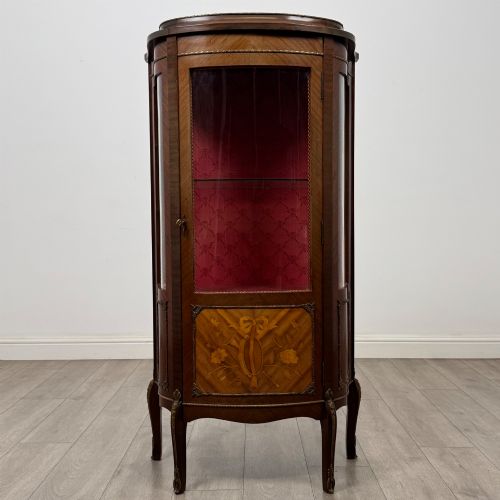
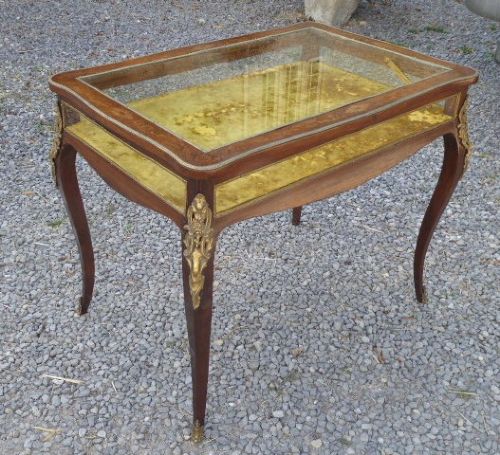
The forms extend to larger display pieces, such as vitrines and cabinets that utilise glass panels alongside brass or ormolu mounts. Smaller desk accessories and vanity items dominate the smaller scale objects found in this category.
Materials and Techniques
Makers combined cast brass or gilded ormolu with blown, pressed, or cut glass to form structural yet decorative objects. The metal mounts were shaped to fit the contours of the glass, often secured with small screws or pins.
Cabinet makers and metalworkers utilised secondary woods like mahogany, walnut, and coromandel to support glass panels and brass fittings in larger pieces like cabinets and tantalus sets.
One inquisitive Victorian lizard made of brass decided to guard an inkstand forever.
Assessing Quality and Execution
The refinement of the brass casting and ormolu chasing separates standard examples from exceptional pieces. Crisp detail in the metalwork and a tight fit between the brass mounts and the glass indicate superior craftsmanship.
The clarity, weight, and depth of the cut in the glass itself dictate the overall caliber of the object. Heavier glass with precise facet cutting or enamelling represents the upper tier of production.
Baccarat
The Antique Brass Mounted Glass Glossary
- Ormolu
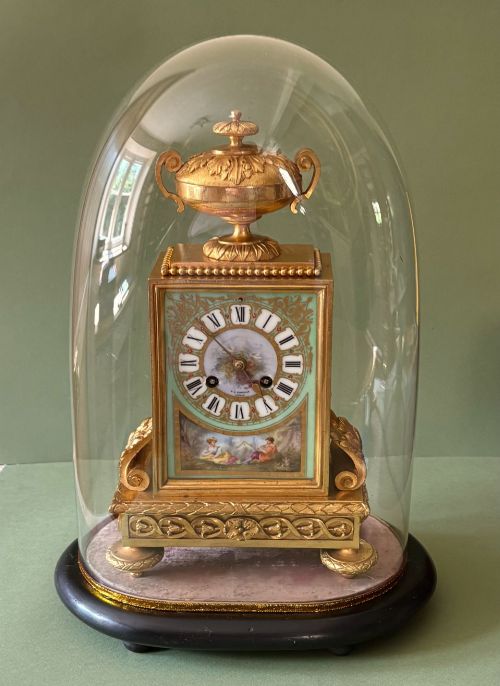
- A gilded bronze or brass technique used for decorative mounts on furniture, clocks, and glass objects. It provides a bright gold-coloured finish that contrasts with dark woods and clear glass.
- Tantalus
- A locking beverage cabinet featuring cut crystal decanters held within a wooden frame fitted with brass mounts. The design allows viewers to see the contents while preventing unauthorized access.
- Vitrine
- A glass-fronted display cabinet used for exhibiting porcelain, glass, and small decorative items. These cabinets frequently feature brass or ormolu mounts along the edges and feet.
- Boulle
- A form of marquetry using brass and tortoiseshell inlaid in intricate patterns, commonly seen on nineteenth-century French furniture and desk accessories. It adds a reflective, patterned surface to the piece.
- Plafoniere
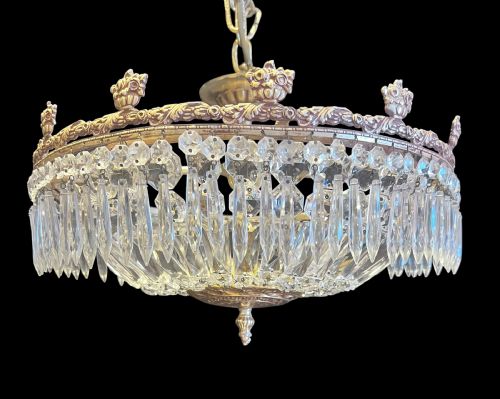
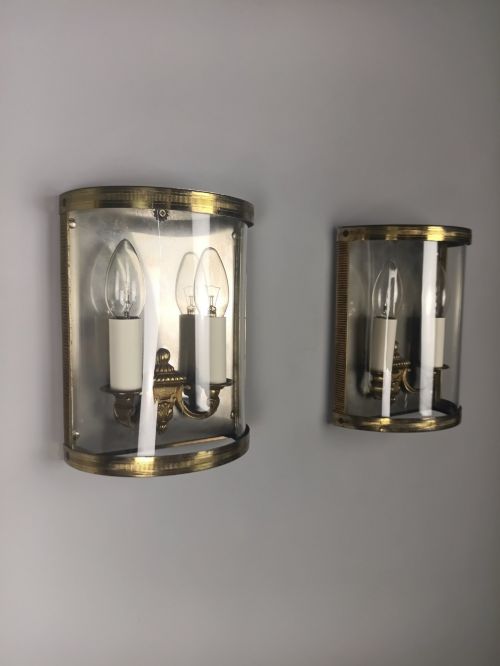
- A ceiling-mounted light fixture comprising glass bowls or shades held by brass or metal mounts. These fixtures direct light downward into a room.
Antique Brass Mounted Glass: Frequently Asked Questions
What is a tantalus?
A tantalus is a locking wooden frame that holds decanters securely behind a brass bar. The design displays the glass decanters while restricting access to the contents.
These pieces typically date to the Victorian era and were placed in studies or dining rooms.
How do I clean brass mounts?
Brass mounts require gentle dusting with a soft cloth to prevent the accumulation of dirt in the crevices. Avoid harsh chemical polishes that can damage surrounding glass or wood.
Maintaining the natural patina is generally preferred by collectors of antique metalwork.
Are these items French or English?
The selection includes both French and English origins, identifiable by their stylistic traits. French pieces often feature ornate ormolu mounts and kingwood veneers, while English examples frequently utilise oak, walnut, or mahogany.
Both nations produced high-quality desk accessories and display pieces during the nineteenth century.
What is ormolu?
Ormolu refers to gilded brass or bronze mounts applied to decorative objects and furniture. The technique creates a durable gold-coloured surface that enhances the visual appeal of glass and wood.
It was widely used during the French Empire and Victorian periods.