




Antique Brass Lighting Accessories
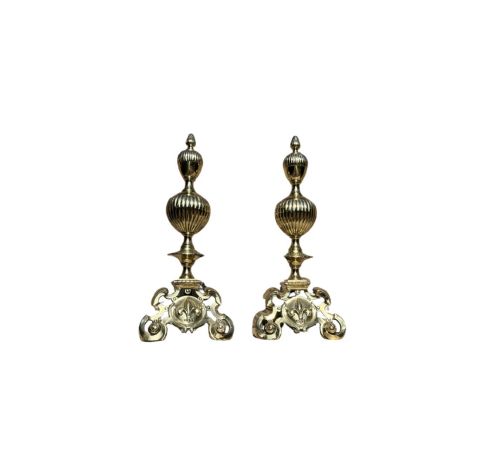
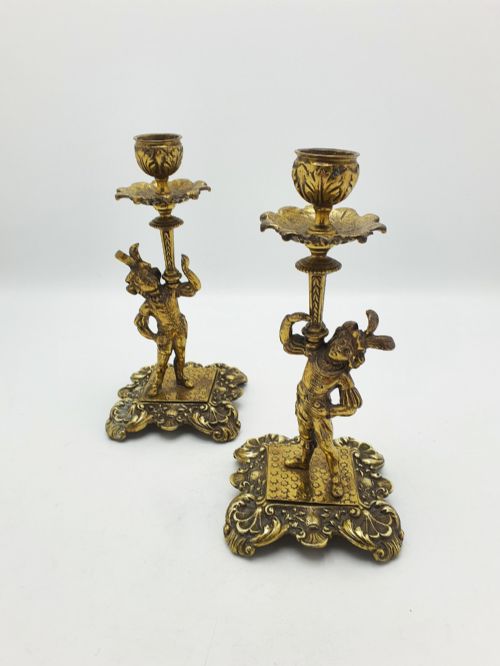
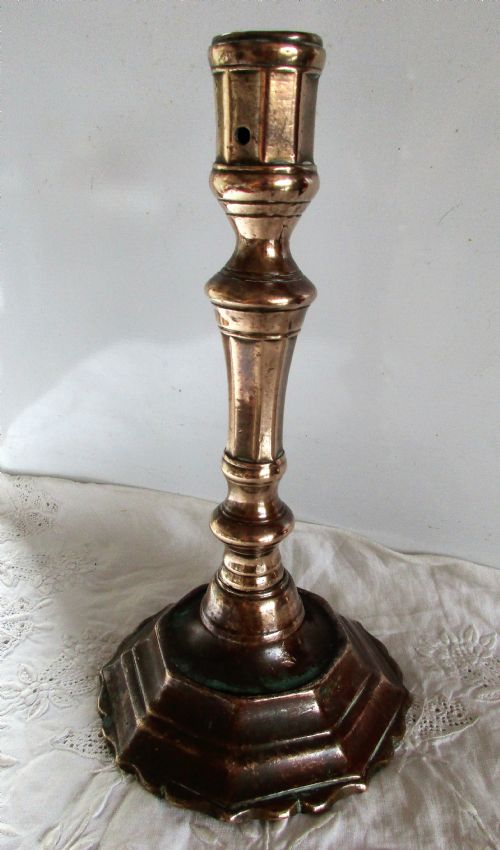
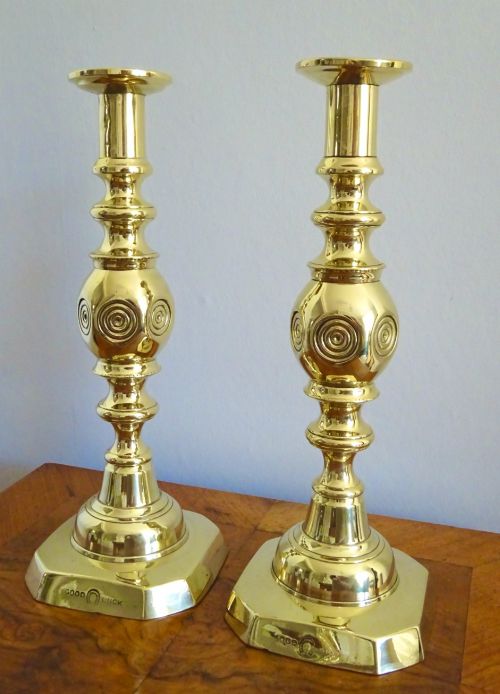
Antique brass lighting accessories bring functional warmth to interiors, spanning Victorian, Georgian, and French Empire periods through candlesticks, oil lamps, and desk accessories.
Antique Brass Lighting Accessories
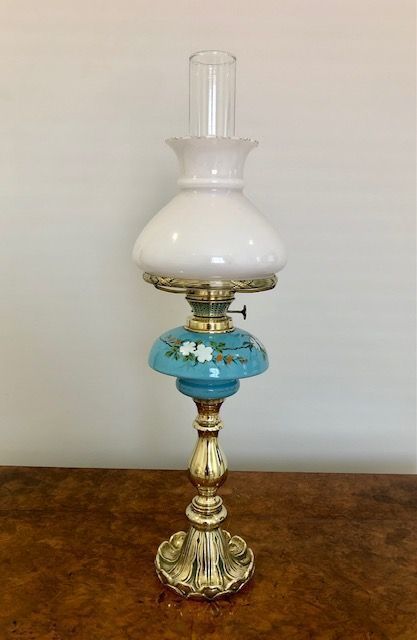
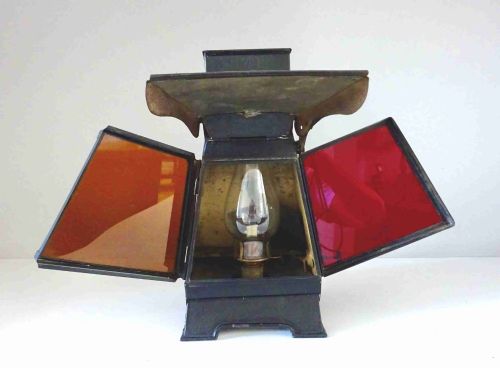
When searching for antique brass lighting accessories, collectors encounter a diverse selection of items primarily focused on domestic illumination from the eighteenth and nineteenth centuries. The pieces available range from simple cast brass candlesticks to elaborate oil lamps and specialised items like microscope candle shades.
The objects frequently reflect distinct stylistic movements such as Victorian Renaissance Revival, Aesthetic Movement, French Baroque, and Art Nouveau. English and French origins dominate the selections, demonstrating notable craftsmanship across domestic hardware and lighting apparatus.
Candlesticks and oil lamps form the core of the current offerings, alongside specialised items like ceiling roses and cigar lighters. These items illustrate the transition of interior illumination through various decades of the nineteenth century.
How they were made
Construction relies heavily on traditional metalworking techniques including casting and turning brass, bronze, and gilt brass. Artisans frequently combined these metals with contrasting materials like glass, opaline glass, marble, fabric, and velvet to enhance the visual appeal of lamps and screens.
Specialised items incorporate intricate detailing through patination, gilding, and structural assembly. Components such as oil lamp reservoirs and adjustable candle shields demonstrate mechanical ingenuity alongside decorative metal casting.
Listings feature items from the eighteenth, nineteenth, and early twentieth centuries, spanning Victorian, Georgian, and Art Nouveau styles.
What varies in quality
Quality differences emerge in the crispness of the casting detail and the integrity of the original materials. Pieces featuring designer attribution or specialised patented mechanisms stand apart from standard domestic hardware.
The inclusion of original elements, such as opaline glass shades, fitted cases, or specific fabric components, elevates a piece. Finer examples maintain their original gilding, patination, and structural alignment without excessive wear.
M Pillischer·Jan Eisenlöffel·WMF
The Antique Brass Lighting Accessories Glossary
- Ormolu
- Gilt bronze or brass mounted on decorative objects, popular in French Restoration and Empire designs. This technique involves applying a finely ground high-carat goldmercury amalgam to an object of bronze.
- Opaline glass
- A pale, translucent glass often milky-white or pastel in tone, frequently utilised for nineteenth-century lamp shades. It diffuses light softly across a room.
- Cast brass
- Molten brass poured into a mould to create detailed shapes, common in Victorian candlesticks and ceiling roses. This method allows for repeatable decorative patterns.
- Candle screen
- A protective shield on a stand designed to deflect heat and glare from a candle flame. They often incorporate adjustable fabric or glass panels.
- Aesthetic Movement
- A late nineteenth-century design style emphasising visual beauty over narrative subject matter. Pieces from this period often feature stylised natural motifs.
Antique Brass Lighting Accessories: Frequently Asked Questions
How do I clean antique brass?
Maintenance requires minimal intervention to preserve the historic surface patination. Gentle dusting with a soft cloth is generally sufficient for regular care.
Harsh chemical polishes remove the aged finish that collectors value. Consult a specialist before attempting any restoration work on plated or gilt surfaces.
Are these oil lamps safe to use?
Most antique oil lamps function primarily as decorative objects or collector pieces rather than daily lighting sources. Burners and reservoirs require professional inspection if intended for active use.
Many buyers choose to display them as sculptural elements within period interiors. Wiring or fuel conversion should be handled by a qualified conservator.
How can I date my brass candlestick?
Dating relies on stylistic clues, manufacturing marks, and construction methods characteristic of specific periods like the Georgian or Victorian eras. Base weight, casting seams, and screw threading often indicate the decade of production.
Patina and wear patterns also provide context regarding the age of the metal. Comparing pieces with documented examples helps confirm their timeline.
What is the difference between brass and bronze?
Brass is an alloy primarily composed of copper and zinc, yielding a bright golden tone utilised widely for domestic hardware and lighting. Bronze consists chiefly of copper combined with tin, resulting in a darker, heavier material.
Gilt brass and bronze items often received a surface coating of gold to enhance their richness. Both metals were common in nineteenth-century decorative arts.