



Antique Brass Light Mount
An antique brass light mount secures and embellishes period illumination, bringing structural integrity and decorative refinement to wall lights, chandeliers and table lamps.
Antique Brass Light Mount
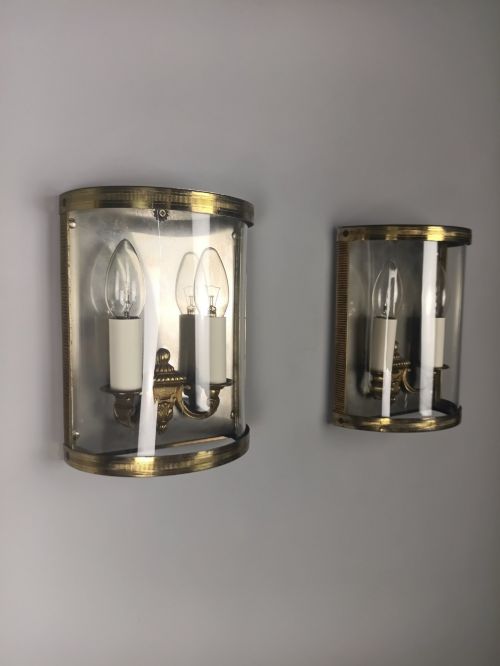
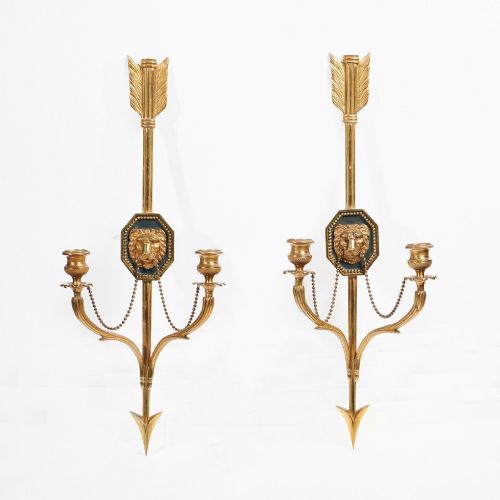
An antique brass light mount provides the structural connection or decorative collar that holds a lighting fixture together, frequently appearing on pieces from the 18th century through to the 1930s. Buyers searching for an antique brass light mount encounter components integrated into table lamps, wall sconces, chandeliers and lanterns of Victorian, Edwardian and continental origins. These metal fittings range from simple functional collars to elaborate cast mounts decorated in French Neoclassical, French Empire and French Rococo Revival styles.
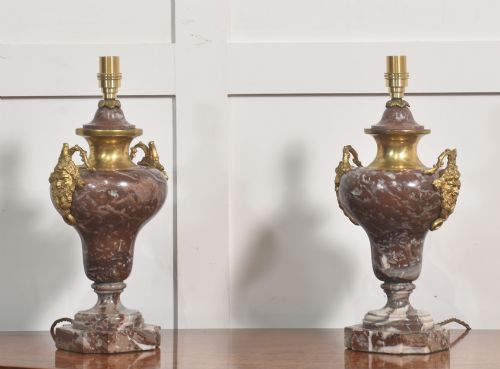
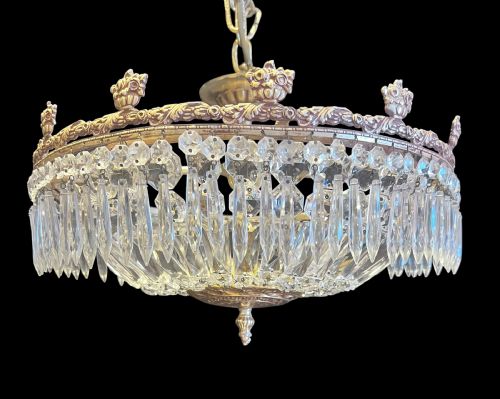
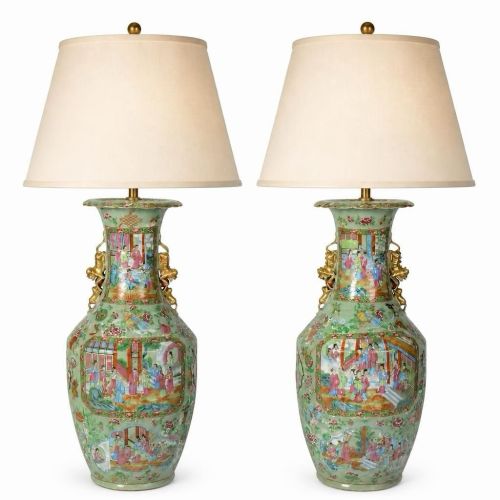
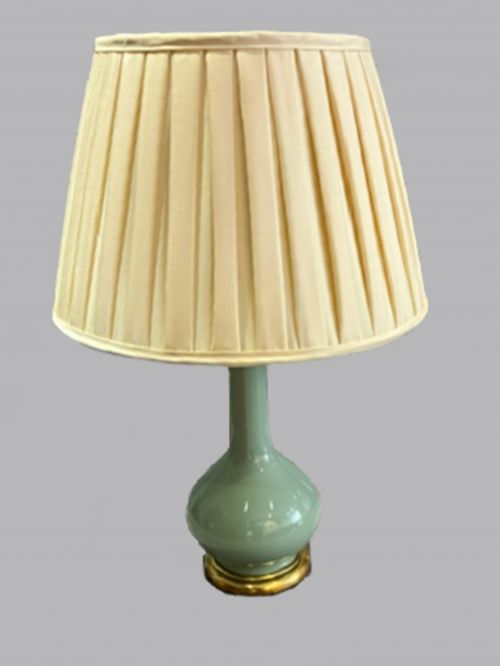
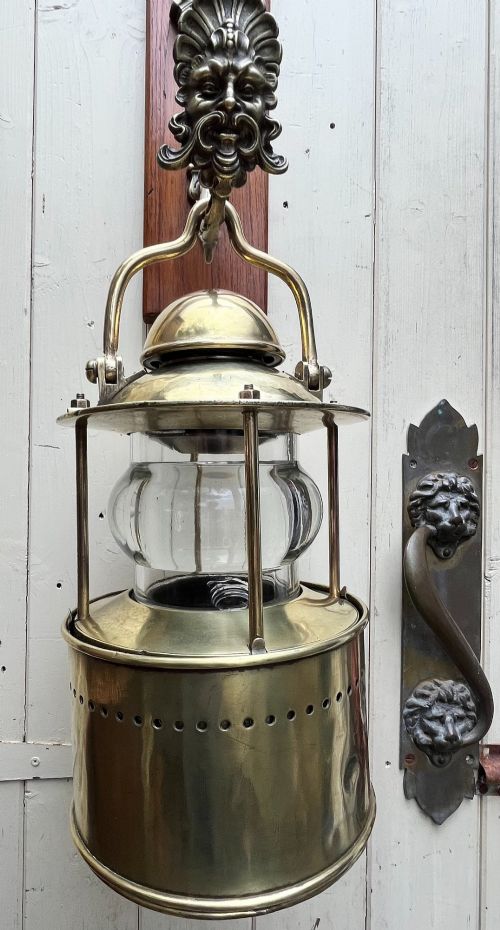
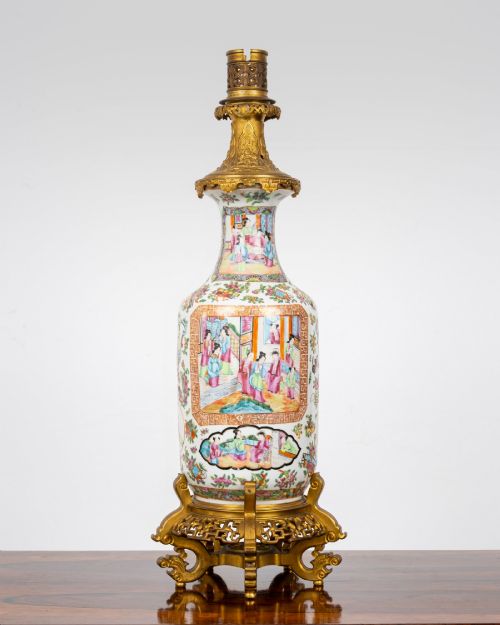
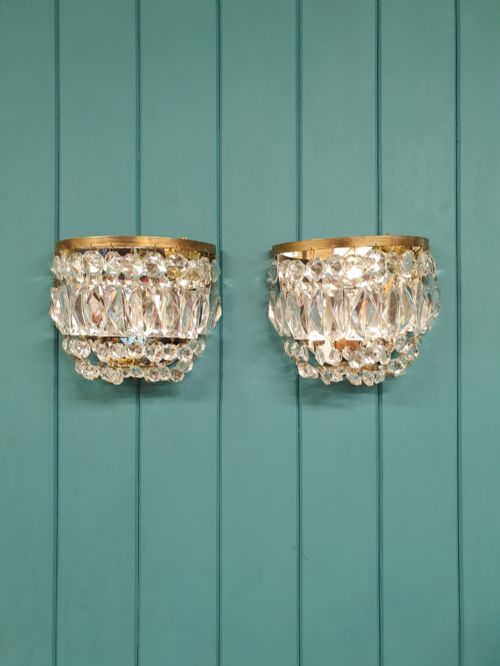
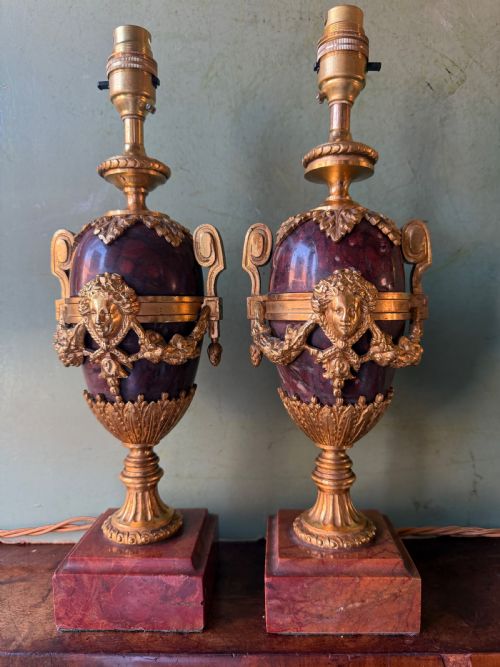
The objects listed show these mounts supporting diverse bodies including Japanese Satsuma and Chinese Celadon porcelain, rouge marble, cut glass crystal, and German porcelain figural bases. Many items represent converted vases, jars or glass vessels where brass mounts secure the electrical fittings or burners to the ceramic or stone body. A buyer will also find brass mounts utilised on coach lamps, carriage lamps and specialised lighting fittings from the late 19th and early 20th centuries.
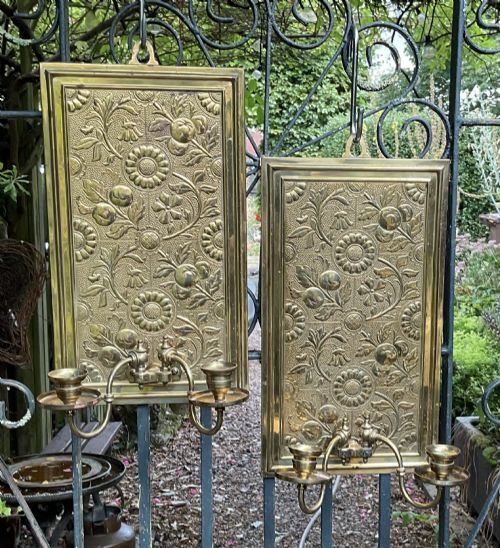
Stylistic variations span the Aesthetic Movement work of designers like Bruce Talbert, Liberty bronze wall fixtures, and heavy cast acanthus leaf chandelier rings. The physical evidence demonstrates that brass frequently pairs with gilt bronze, ormolu, copper, and cast iron across various domestic and institutional settings. These hardware elements define the aesthetic transition from utilitarian gas and candle holders to electrified domestic lighting.
Materials and manufacturing techniques
Makers utilised cast brass, gilt bronze and ormolu for the metal mounts, shaping them through sand casting or lost-wax techniques before applying chiselling and gilding to the surface. These metal components secure bodies made from cut glass crystal, lead crystal, porcelain, earthenware and rouge marble using threaded rods, screws and precision-turned collars.
Surface decoration on the brass elements relies on chasing, engraving and applied patination, while paired materials incorporate hand-painted enamels, cloisonne work and ceramic glazing. Structural integrity in chandeliers and heavy wall sconces depends on robust internal brass framing, threaded brass pipes and substantial cast iron or bronze backplates.
Object forms incorporating these brass fittings range from table lamps and wall sconces to ceiling lights, chandeliers, and carriage lamps.
Assessing quality in mounts and fittings
Quality resides in the crispness of the metal casting and the precision of the hand-chased detail on the brass or ormolu surface. Superior examples display deep, sharp relief work on leaf motifs, scrolls and architectural borders without the soft edges typical of mass-produced secondary castings.
The integrity of the construction differentiates standard production from finer workshop output, evident in how cleanly the brass mount engages with porcelain, marble or glass bodies. Heavy gauge brass, substantial weight, and tight mechanical tolerances between individual components indicate superior craftsmanship across Victorian and continental lighting.
Bruce Talbert·Henry Nock·Osler
The Antique Brass Light Mount Glossary
- Ormolu
- A technique of applying finely ground high-carat gold to a bronze or brass object, creating a rich golden finish that resists tarnish. This decorative coating appears frequently on French Empire and Rococo Revival mounts.
- Plafoniere
- A ceiling light fixture mounted flush or close to the ceiling surface, often featuring a glass bowl held by decorative brass mounts or a metal frame. These pieces gained popularity during the early 20th century.
- Cloisonne
- An ancient technique for decorating metal object surfaces, using wire to create compartments that hold enamel pastes before firing. Japanese examples from the late 19th century frequently incorporated these decorated vessels into lamp bases.
- Applique
- A wall-mounted lighting fixture designed to hold candles or electric bulbs, synonymous with a wall sconce. These pieces often feature elaborate cast brass backplates and arms.
- Rose Medallion
- A distinct style of Chinese porcelain decoration featuring panels of figures, birds, and flowers painted in a palette dominated by pink and green. Many of these ceramic pieces were subsequently fitted with brass mounts to function as lamps.
Antique Brass Light Mount: Frequently Asked Questions
How do I identify the period of a brass mount?
Period identification relies on examining the casting quality, tool marks, fastening methods and overall design style of the brass component. Earlier 18th and early 19th-century mounts typically feature hand-chased surfaces and heavier bronze or brass construction, while later 19th-century pieces reflect industrial manufacturing shifts.
Matching the stylistic vocabulary, such as French Neoclassical or Art Deco motifs, helps date the mount alongside the ceramic or glass body it supports. Comparing the assembly screws and threading types also offers clues regarding the manufacturing era.
Can I rewire an antique lamp with old brass mounts?
Rewiring an antique lamp with historical brass mounts is standard practice for modern domestic use, provided the work is done carefully. Electricians can thread modern wiring through the existing internal brass channels without altering the external antique hardware.
Preserving the original brass collars, stems and mounting brackets ensures the structural and aesthetic integrity of the piece remains intact. Professional rewiring guarantees safety while allowing these historical fixtures to function in contemporary spaces.
Why are vases and jars mounted as lamps?
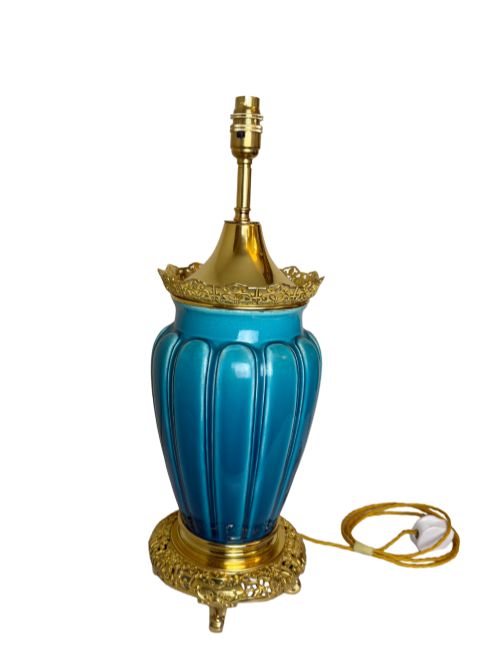
Mounting decorative porcelain vases, ginger jars and glass vessels as lamps became a popular method for repurposing fine objects during the Victorian and Edwardian periods. Craftspeople added bespoke brass bases, collars and top fittings to hold bulb sockets without permanently damaging the ceramic body.
This practice preserved important pieces of Chinese export porcelain, Japanese Satsuma ware and English glass while adapting them to domestic electric lighting. The resulting hybrid objects combine historical ceramic artistry with functional metalwork.