
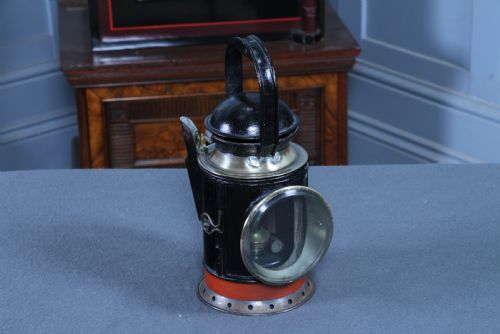


Antique Brass Hand Lantern
These antique brass hand lanterns are portable illumination sources built for railway service, domestic carriage, and industrial work, valued for their utilitarian robustness and warm metal patination.
Antique Brass Hand Lantern
An antique brass hand lantern represents a distinct category of portable lighting designed for transport by hand in railway operations, industrial sites, and domestic settings. Buyers seeking these items encounter robust metal frames built for daily service rather than purely decorative parlour display.
The pieces appearing on this page span several key eras, ranging from Victorian and Edwardian examples to earlier configurations. Railway inspectors and railway workers utilised specific versions fitted with multi-coloured lenses and sturdy carrying bails.
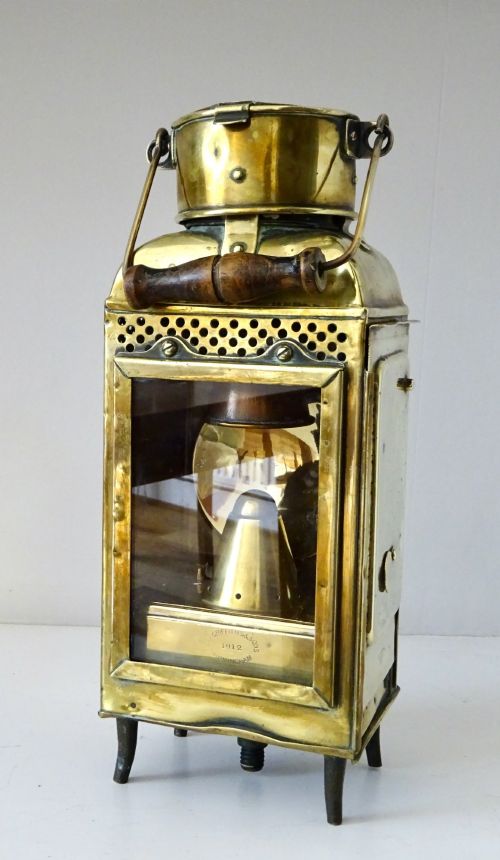
Forms include railway oil lamps and signal lamps constructed with heavy-gauge metal bodies and protective glass panels. These objects combine practical utility with the pleasing aesthetics of early twentieth-century and nineteenth-century metalwork.
Materials and construction methods
Construction relies heavily on sheet brass, cast iron components, and iron reinforcement to withstand rough handling in outdoor environments. Metal parts are joined via traditional riveting, soldering, and mechanical fastening rather than modern automated welding.
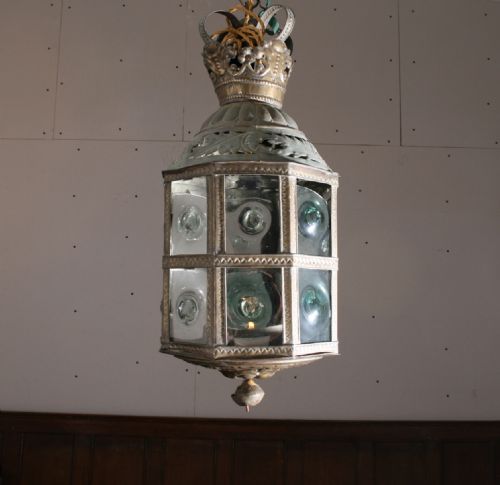
Glazing typically incorporates hand-blown glass, including bulls-eye lenses and cut crystal panels designed to focus or diffuse the flame. Painted steel and wood elements occasionally supplement the primary brass structure in specific railway and industrial variants.
Railway inspectors trusted these heavy brass lanterns so completely that many units survived decades of being swung against moving trains.
Distinctions in quality and preservation
Quality separates through the integrity of the original metal body, the presence of undamaged hand-blown glass lenses, and the legibility of maker stampings. Examples retaining their complete interior burners, reflectors, and original latches command greater attention from serious collectors.
The degree of original surface wear and patination dictates the visual appeal of each piece. Excessive modern intervention or replacement components diminish the historical coherence of a lantern, whereas honest age-related marks reflect genuine working history.
Eli Griffiths And Sons·Peter Closon·James Ogden Senior·William Clement
The Antique Brass Hand Lantern Glossary
- Bail
- The arched metal handle attached to the top of a lantern for carrying or suspension. This sturdy pivoting arm bears the weight of the piece during transit.
- Bulls-eye glass
- A thick lens featuring a circular, convex protrusion designed to concentrate light into a directional beam. This optical element appears frequently on railway and signal lamps.
- Burner
- The internal mechanical assembly that holds the wick and regulates the flame above the fuel reservoir. Original burners often feature manufacturer marks.
- Patina
- The natural surface finish and oxidation developed on brass and iron over decades of exposure to air and handling. Collectors prize a rich, untouched patina.
- Signal lens
- A coloured glass filter fitted into railway lanterns to communicate specific operational messages to train crews. These lenses utilise red, green, or clear glass.
Antique Brass Hand Lantern: Frequently Asked Questions
What were antique brass hand lanterns used for?
These lanterns served essential lighting and signalling functions for railway guards, night watchmen, and industrial workers who required dependable portable illumination.
Workers carried them along rail yards, down dark corridors, and aboard trains to perform inspections and communicate warnings in all weather conditions.
How do I clean an antique brass hand lantern?
Maintenance requires only a soft cloth to remove dust and preserve the existing surface patination accumulated over generations of use.
Harsh metal polishes and abrasive cleaners should be avoided because they strip away historical character and damage the original brass finish.
How do I date an antique brass hand lantern?
Dating relies upon examining construction techniques, patent marks, maker stamps, and the specific style of the hardware and glass lenses.
Railway company stamps and manufacturer badges often provide definitive clues that narrow down the production era to a specific decade.
Can I still burn oil in these lanterns?
While original burners and oil reservoirs often remain intact, operating them with fuel requires careful safety checks for leaks and structural integrity.
Most collectors prefer to exhibit them as decorative historical objects rather than active lighting sources in a modern home.