
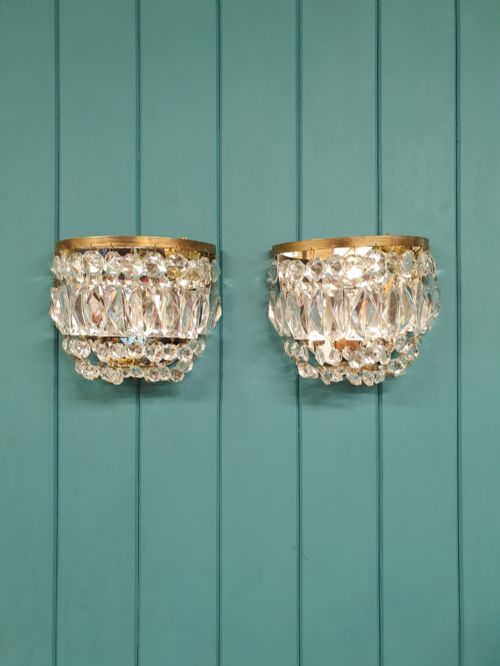


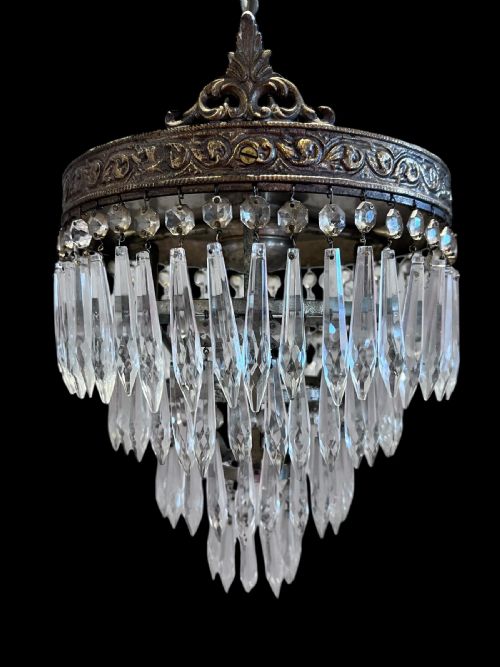


Antique Brass Flush Light
These antique brass flush light fixtures bring direct, ceiling-hugging illumination and period metalwork to low-ceilinged rooms.
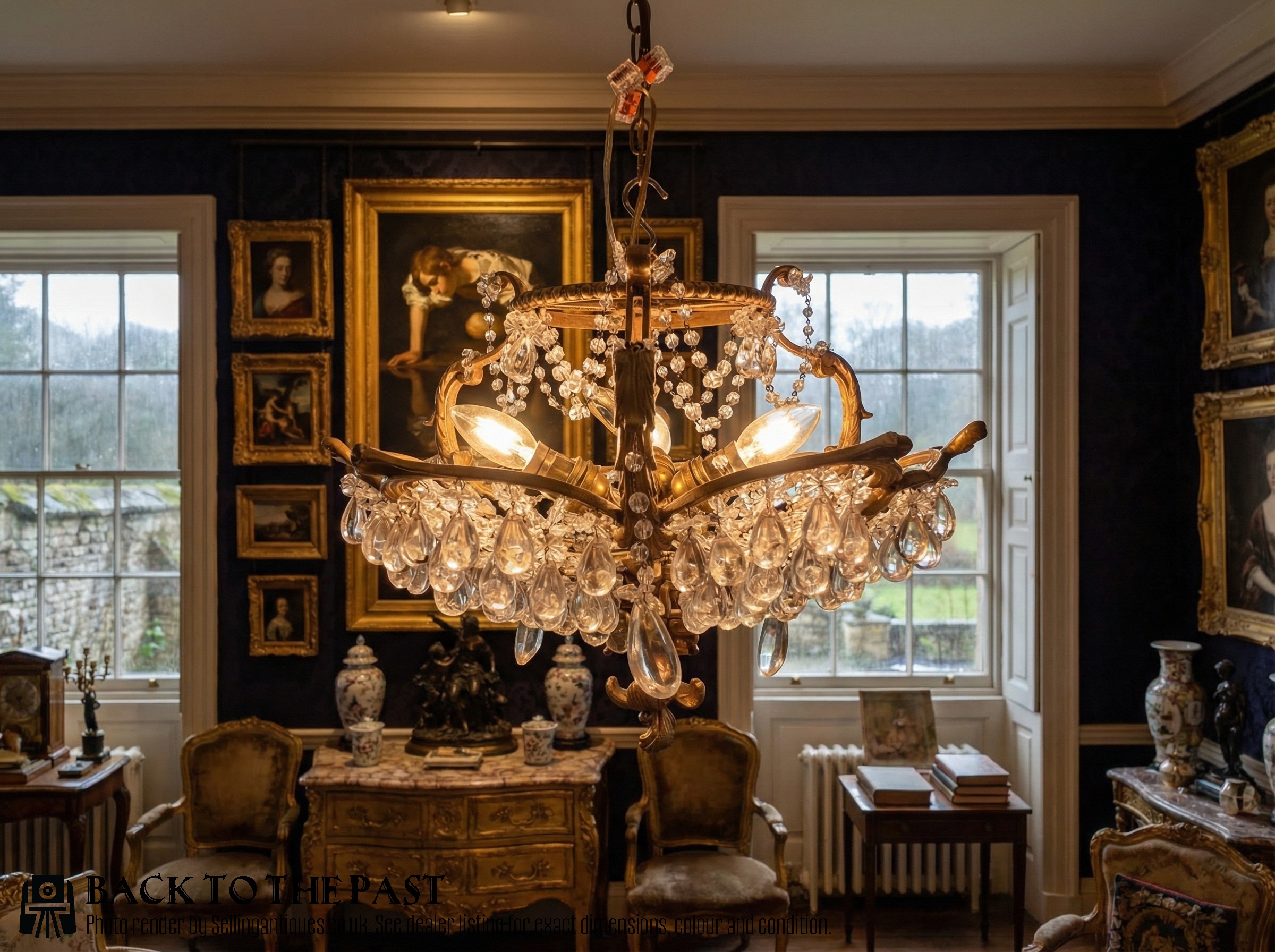
Antique Brass Flush Light
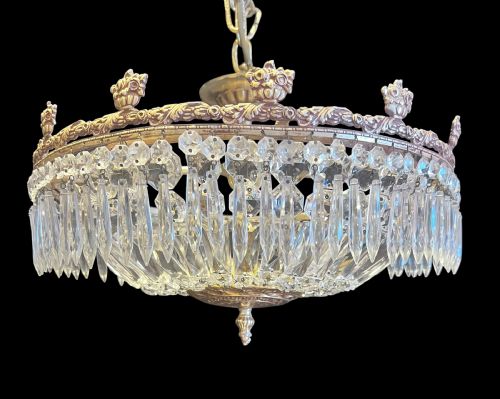
When you search for an antique brass flush light, you encounter compact ceiling fixtures that sit close to the plaster rather than hanging on long chains. The selection ranges from early twentieth century plafonieres to Art Deco crystal designs and Edwardian ceiling mounts.
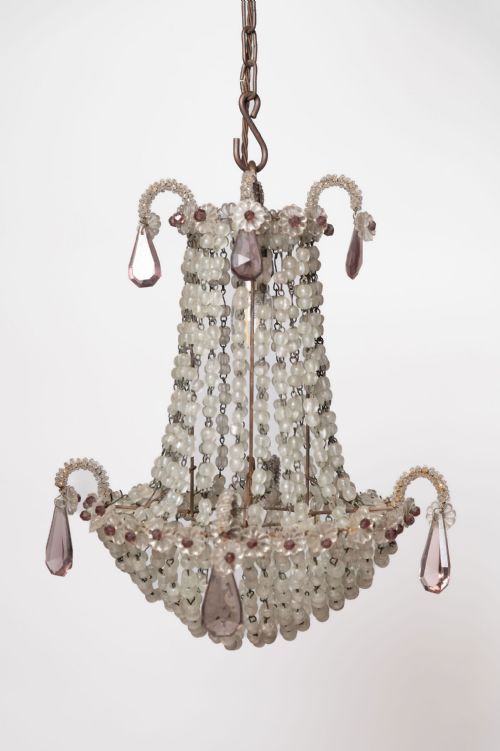
The most common versions on this page are French plafonieres and small bag or tent chandeliers that hug the ceiling while utilising brass frames and glass drops. Makers utilised brass and gilt brass alongside bronze mounts to frame cut crystal and frosted glass.
Object types span ceiling lights and chandeliers alongside related wall sconces, alongside occasional divergent forms such as campaign chests of drawers. Periods stretch from Victorian and Edwardian examples through to pieces dated to the 1920s and 1930s.
Materials and construction methods
Construction relies heavily on cast and spun brass, gilt brass, or bronze frameworks that support glass, crystal, or cut glass elements. Metal components are joined with mechanical fasteners or cast as single decorative plates to hold the weight of glass shades and beaded tents.
Glass elements are mouth-blown, moulded, or hand-cut, ranging from plain frosted bowls to intricate slip shades and multi-tiered crystal drops. Frames often incorporate decorative motifs such as grape and drip details or neoclassical mounts.
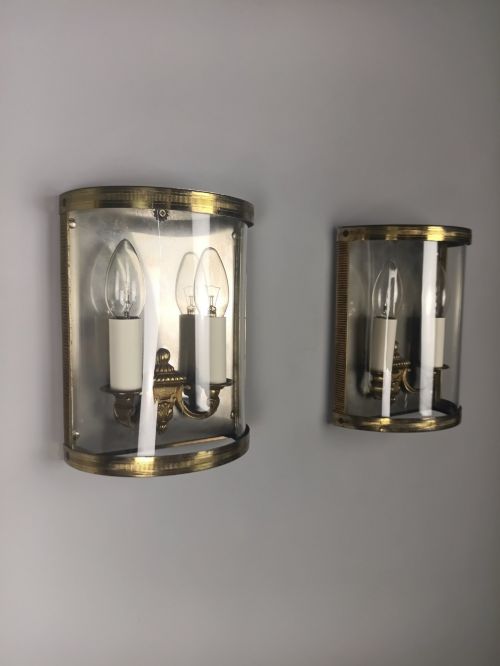
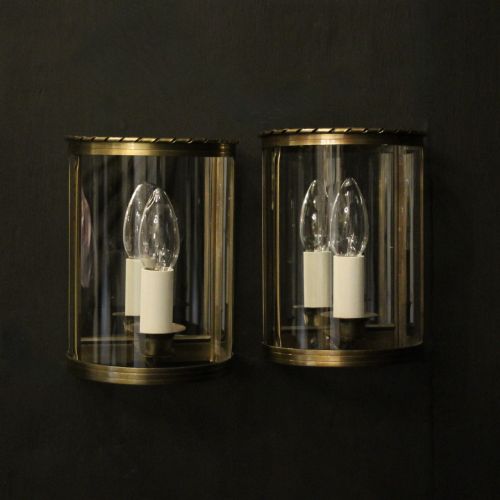
Among the refined crystal chandeliers, prison bag wall lights offer a delightfully austere contrast for lighting your corridor.
Assessing quality in period lighting
Quality separates through the crispness of the brass casting and the depth of hand-cut work on the crystal or glass components. Heavier gauge metal frames and precision in the mounting of individual glass beads indicate superior manufacture.
The integrity of the original gilt or patinated brass surface alongside the clarity of the glass elements defines the upper tier of these pieces. Lesser examples show softer casting details and simpler pressed glass rather than hand-finished crystal.
The Antique Brass Flush Light Glossary
- Plafoniere
- A ceiling-mounted light fixture with a shallow bowl or basket that sits flush against the ceiling. These fixtures provide diffused overhead illumination without dangling drops.
- Ormolu
- Finely chased and gilt bronze or brass popular in French decorative arts. This surface treatment gives a rich gold-coloured finish to metal mounts.
- Slip shade
- A moulded piece of glass that fits into a metal frame to form a bowl or shade. These shades define many Art Deco ceiling lights.
- Tent and bag
- A chandelier style featuring strings of beads forming an upper tent shape above a gathered bag of crystal drops. Brass mounts secure the arrangement at top and bottom.
Antique Brass Flush Light: Frequently Asked Questions
How do I install an antique brass flush light?
These ceiling fixtures require secure mounting to a ceiling joist or electrical box capable of supporting their weight. Professional rewiring is typically necessary to meet current electrical standards.
Ensure that the brass canopy covers the junction box neatly while maintaining the intended clearance against the ceiling surface.
What rooms suit a flush mount light?
Flush lights suit hallways, bedrooms, and rooms with lower ceiling heights where a hanging chandelier would hang too low. Their compact profile provides ample illumination without obstructing headroom.
Stylistically, they complement period hallways and reception rooms needing authentic brass and glass metalwork.
How do I clean antique brass and crystal?
Dust crystal drops and glass shades gently with a soft cloth to maintain clarity without damaging the metal or wirework. Avoid harsh chemical cleaners on brass or gilt surfaces to preserve the original patina.
Individual crystal elements can be washed in warm soapy water and dried thoroughly before reattachment.
How can I date an antique light fixture?
Dating relies on examining manufacturing techniques, metal alloys, screw threads, and glass cutting styles. Edwardian and 1930s pieces often show distinct Art Deco geometries or transitional French styling.
Wiring and bulb holders also offer clues, though most period pieces have been updated for modern use.