
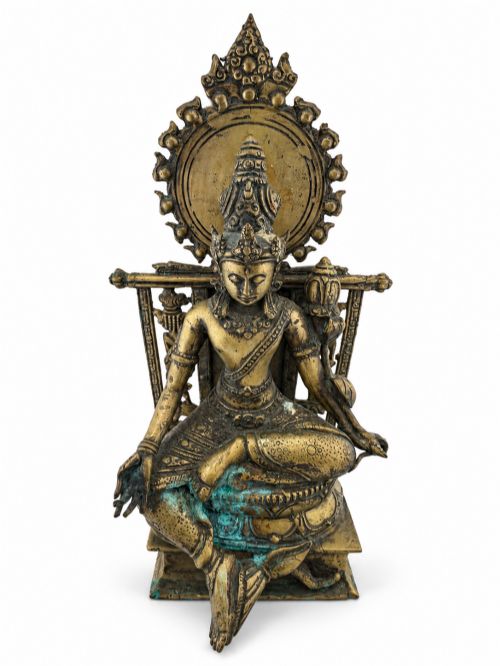
Antique Brass Figure
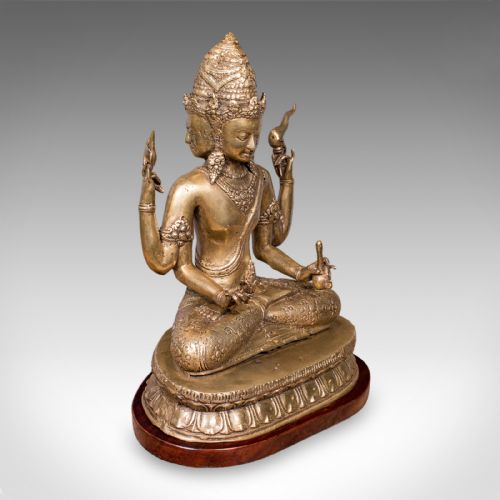
An antique brass figure brings solid weight and cast detail to a room, ranging from small animals to standing soldiers and deities.
Antique Brass Figure
An antique brass figure covers a varied selection of cast metal objects, including animal studies, human portraits, and religious icons. When searching for an antique brass figure, buyers encounter items produced across the nineteenth and early twentieth centuries.
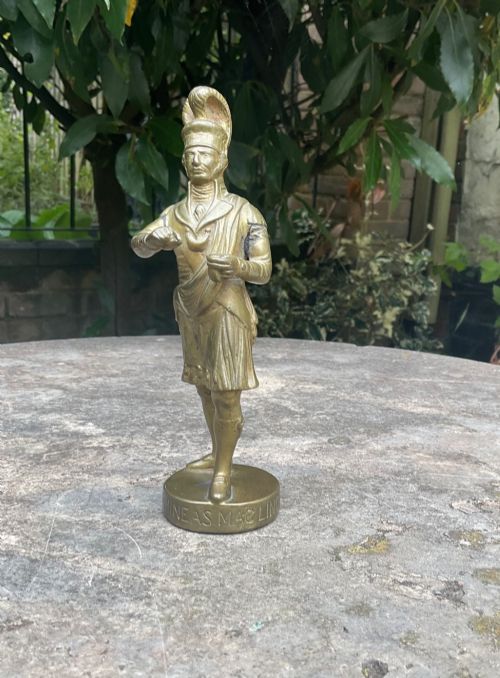
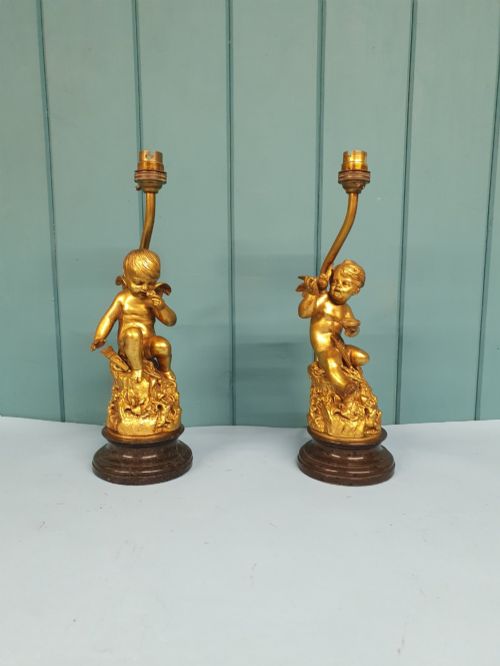
The objects take several practical and decorative forms, such as door stops depicting soldiers or animals, table lamps, and chimney ornaments. Many examples date from the Victorian era and the Edwardian period, often cast as pairs.
Origin points span from British workshops to Asian shrines and European foundries. Alongside solid brass, related items appear in bronze, gilt bronze, and mixed materials like glass.
How they were made
Finishes varied according to the intended placement of the object, leaving some surfaces with a polished golden tone while others received patination or gilding. Combinations with carved wood, marble, and vaseline glass appear in lamp bases and stands.
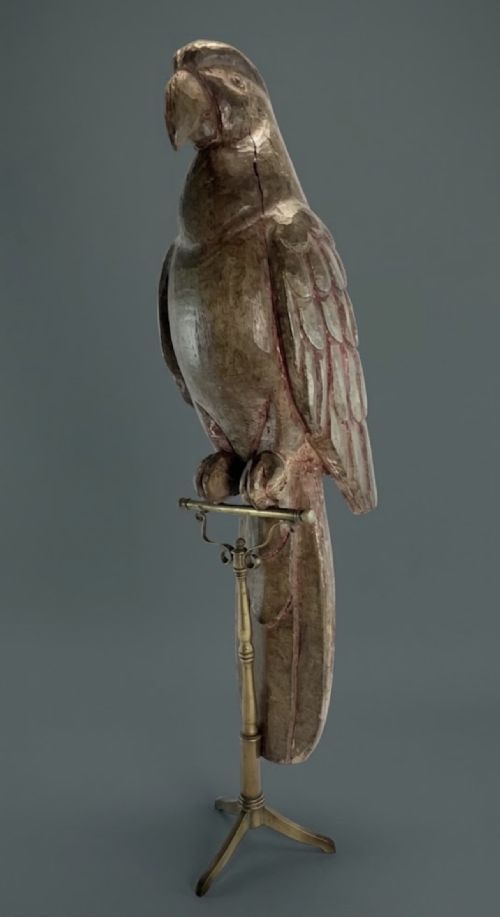
A cast wooden parrot perched permanently on a brass stand watches over the collection.
What varies in quality
The sharpness of the cast distinguishes finer pieces from ordinary production, particularly in the definition of facial expressions and surface ornamentation. Heavier metal gauge and crisp detailing indicate superior workshop standards.
Original patination and surface wear contribute to the character of an older piece, whereas heavy modern cleaning can soften details and remove historical colour. The complexity of the subject, such as figural groups or multi-part candelabra, also separates standard items from exceptional examples.
L and F Moreau·Josef Lorenzl
The Antique Brass Figure Glossary
- Patina
- The surface sheen and colour acquired by brass and bronze through age, handling, and oxidation. This natural layer provides visual depth to older metalwork.
- Door stop
- A heavy metal figure, often shaped as an animal, soldier, or horse porter, designed to hold doors open. These items combine practical weight with decorative casting.
- Candelabra
- A branched candlestick holder designed to support multiple candles. Elaborate examples often incorporate figural bronze or brass supports.
- Gilt bronze
- Bronze metal that has received a fine application of gold leaf or a gold-coloured mercury finish. This technique adds a bright metallic lustre to sculptural objects.
- Vaseline glass
- A type of glass containing uranium dioxide that glows under ultraviolet light. It appears in combination with nineteenth-century lamp bases.
Antique Brass Figure: Frequently Asked Questions
How do I clean an antique brass figure?
Dust the surface gently with a soft dry cloth to prevent the accumulation of dirt in recessed details. Avoid harsh chemical polishes that strip the historical patina and flatten the cast texture.
Allow the metal to retain its natural ageing process over time. Gentle handling preserves the underlying surface character.
What is the difference between brass and bronze?
Brass is primarily an alloy of copper and zinc, yielding a brighter golden hue when polished. Bronze consists mainly of copper combined with tin, resulting in a darker metallic tone.
Both materials were utilised for sculptural figures and decorative objects across historical periods. Close inspection of the base metal colour reveals the distinction.
Where were these figures placed historically?
Many figures served functional roles as door stops, chimney ornaments, or bookends in period reception rooms and hallways. Others functioned as religious icons in shrines or as decorative table lamps.
Their substantial weight suited them for placement near draughty doors or on heavy wooden furniture.
How do I date an antique figure?
Examine the casting quality, tool marks, and base construction for clues regarding the period of manufacture. Stylistic indicators, such as Victorian Gothic revival motifs or Edwardian proportions, also help narrow the timeframe.
Comparing the object's wear patterns with known historical examples provides further confirmation of its age.