
Antique Brass Dresser
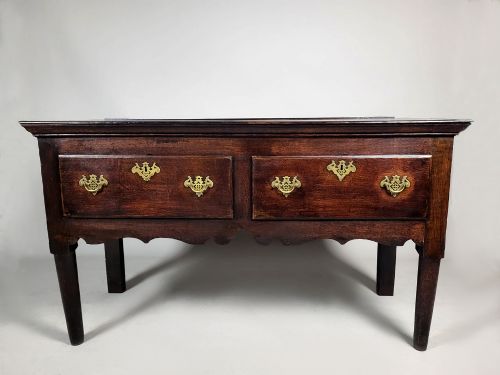
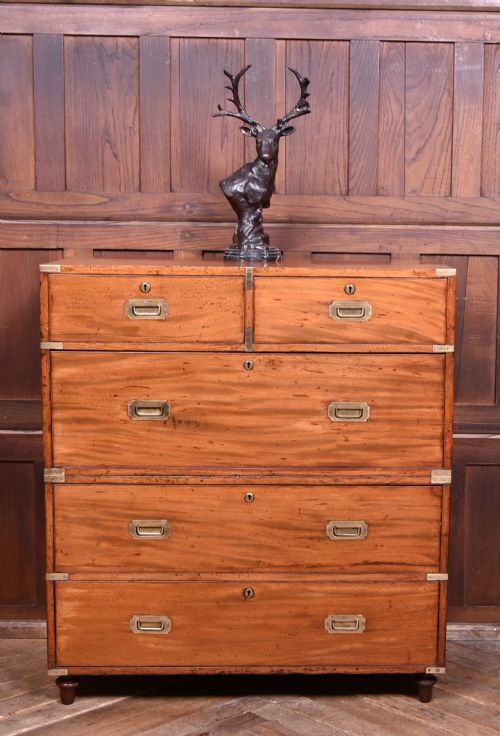
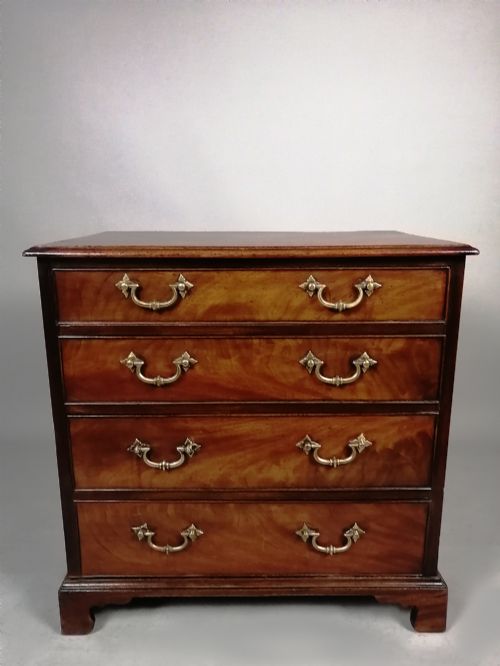
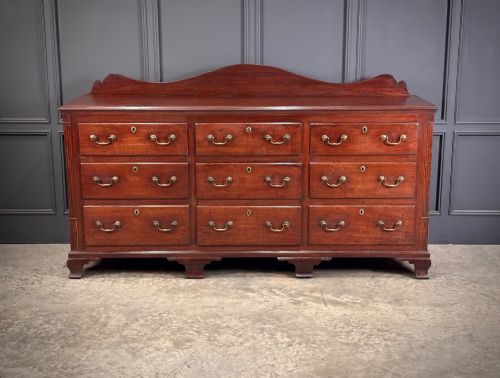
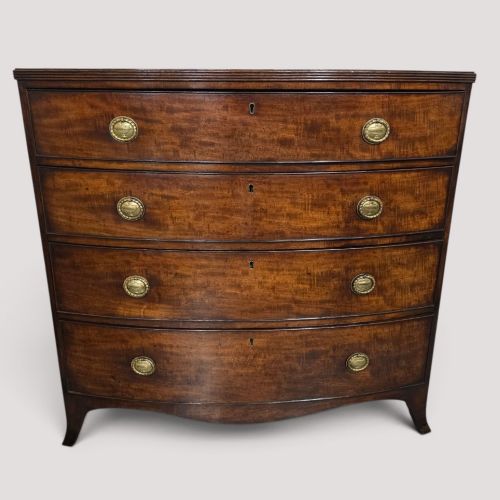
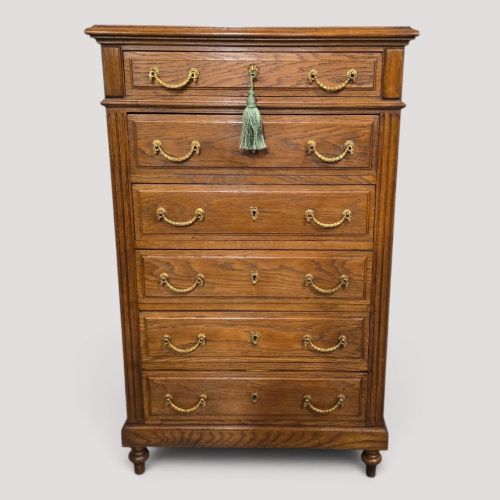
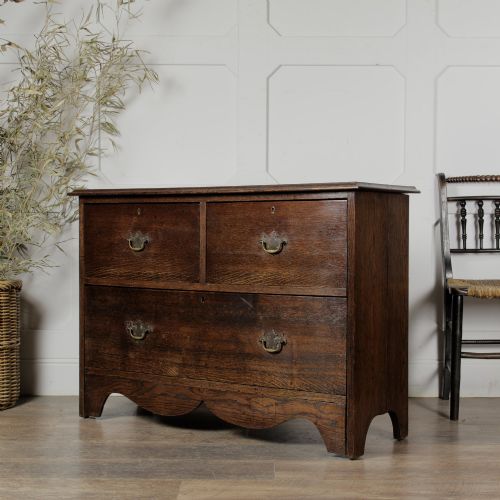
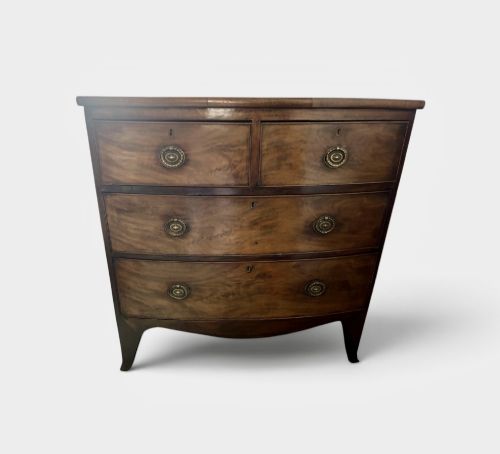
These pieces grouped as an antique brass dresser span centuries of domestic storage, uniting heavy timber construction with utilitarian hardware.
Antique Brass Dresser
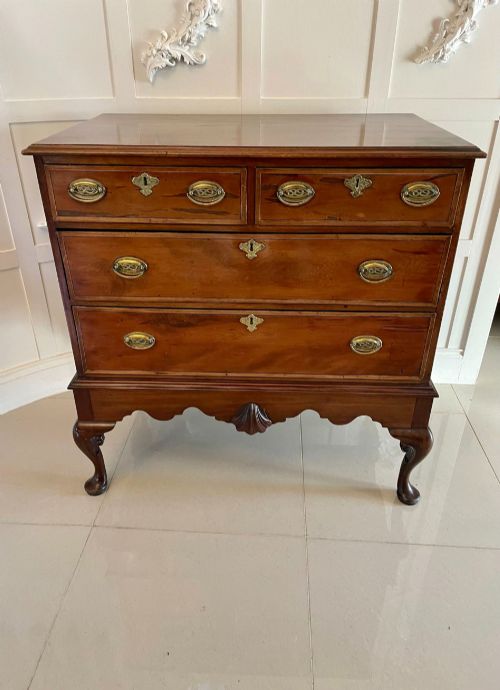
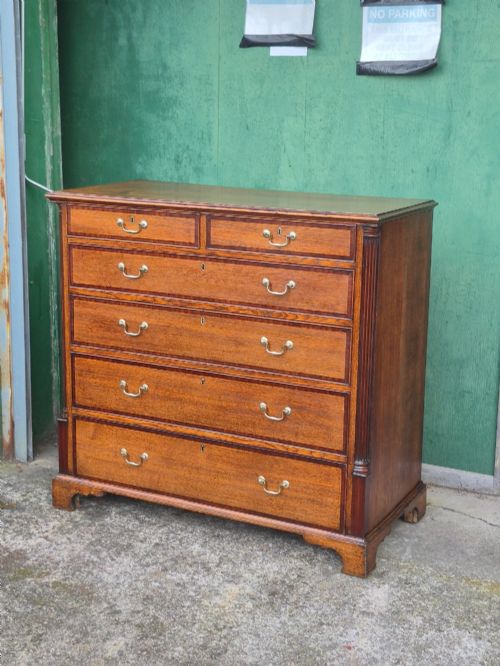
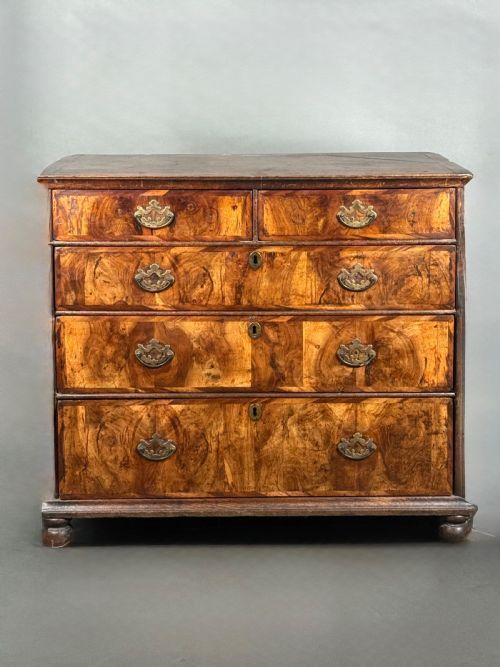
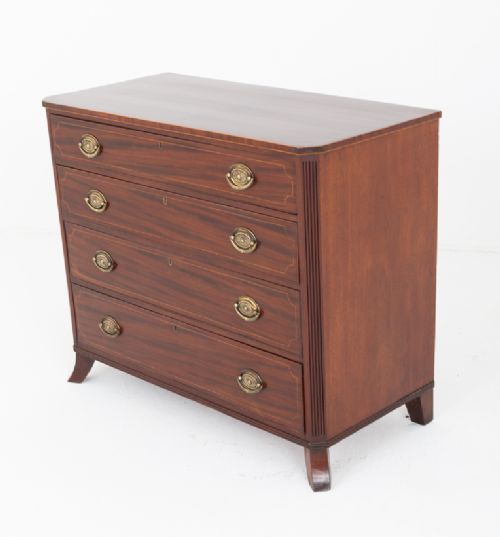
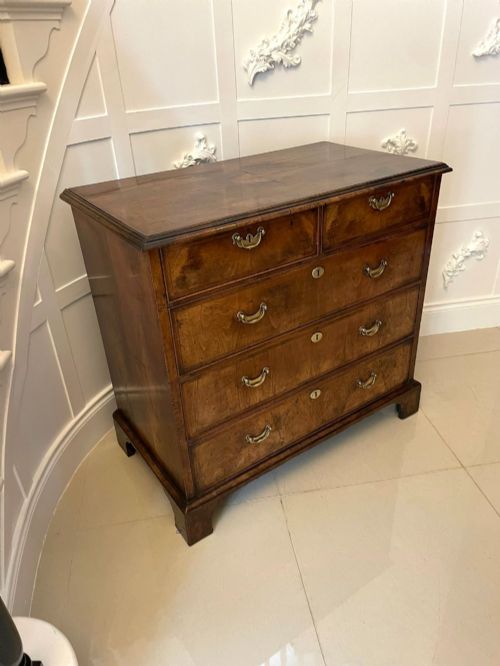
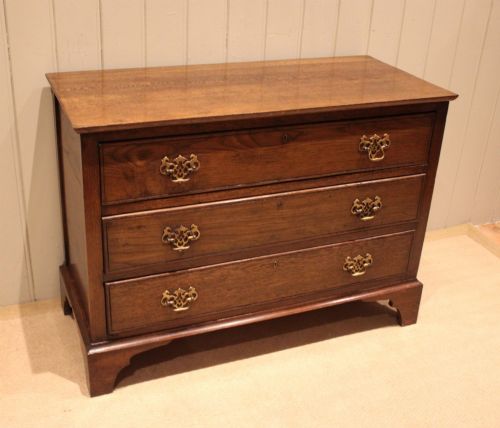
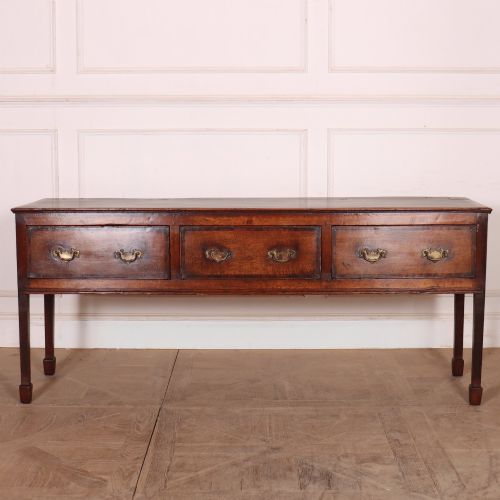
The term antique brass dresser covers a range of heavy timber storage forms, from formal Georgian mahogany chests with brass handles to early oak dresser bases. Buyers searching this phrase encounter substantial case furniture featuring multiple drawers, integrated brass pulls, and occasional display surfaces.
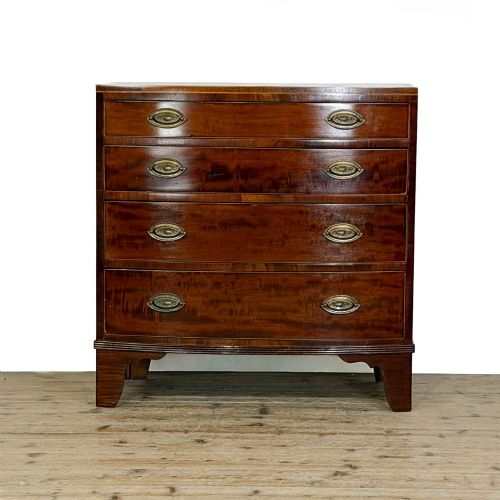
The selection here draws primarily upon 18th century and Georgian examples executed in oak, mahogany, and walnut, alongside later Victorian and Edwardian variations. Formats vary from low proportions and bow fronts to tallboys and sideboards equipped with original brass drop handles and escutcheons.
How they were made
Cabinet makers utilised dense native and continental timbers including oak, mahogany, walnut, and burr walnut, often applying crossbanding or marquetry to accentuate the grain. These structural woods were shaped into chests and dresser bases using traditional joinery methods suited to heavy daily use.
Cast and chased brass hardware, such as swing handles, backplates, and keyhole escutcheons, provides both functional operation and decorative contrast against the dark timber surfaces.
Early drawer pulls sometimes concealed tiny maker signatures on their hidden rear plates, left behind by industrious brass founders.
What varies in quality
The standard of execution depends heavily on the selection of timber veneers, such as figured walnut or flame mahogany, and the crispness of the secondary details like crossbanded borders. Superior pieces retain matching grain patterns across successive drawer fronts and incorporate original brass hardware rather than later replacements.
Structural integrity also separates examples, visible in the precision of the drawer dovetailing and the retention of original timber backs and feet, which preserves the authentic proportions intended by the maker.
J Moorcroft·Jas Shoolbred
The Antique Brass Dresser Glossary
- Brushing slide
- A pull-out shelf integrated above the top drawers of a chest, used historically for folding linen or writing.
- Bow front
- A convex curved cabinet front popular during the Georgian and Regency periods, designed to soften room corners.
- Escutcheon
- A protective metal plate surrounding a keyhole, frequently cast in brass to match the drawer pulls.
- Dovetail
- A traditional interlocking joint used to secure drawer corners, valued for its mechanical strength without modern adhesives.
- Crossbanding
- A decorative border of veneer laid perpendicular to the main grain of the panel, common in finer cabinet work.
Antique Brass Dresser: Frequently Asked Questions
What defines an antique brass dresser?
An antique brass dresser encompasses timber storage units like oak dresser bases and mahogany chests fitted with period brass handles. These items originate primarily from the eighteenth and nineteenth centuries.
They combine robust structural timber bodies with functional metal hardware designed for domestic organisation and display.
How do I identify a Georgian chest?
Georgian pieces generally exhibit dense mahogany or oak construction, fine drawer dovetailing, and proportions dictated by classic architectural ratios. Look for original cast brass drop handles and bracket feet.
Secondary woods inside the drawers should match the period, typically oak or pine depending on the regional workshop.
Were brass handles always original?
Handles frequently endured replacement over centuries of domestic use due to wear or changing interior tastes. Inspecting the interior of the drawer timber reveals filled old screw holes if the current brasses postdate the piece.
Original hardware matches the patination and fixing patterns appropriate to the stated century of production.
Where were these pieces used?
Households placed these heavy wooden case pieces in dining rooms, bedrooms, and entrance halls for storing textiles, tableware, and personal documents. Dresser bases often served kitchens or pantries for food preparation and storage.
Their robust timber construction allowed them to withstand heavy daily domestic demands across generations.
How do I care for antique timber?
Protect antique furniture by maintaining stable room humidity away from direct heat sources and sunlight, which can dry out the timber and crack veneers. Regular dusting with a dry cloth preserves the wax finish.
Avoid modern liquid polishes containing silicones that penetrate the pores of old oak and mahogany.