
Antique Brass Desk Stand
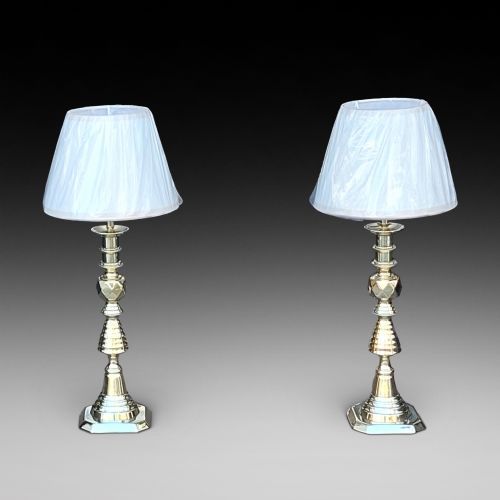
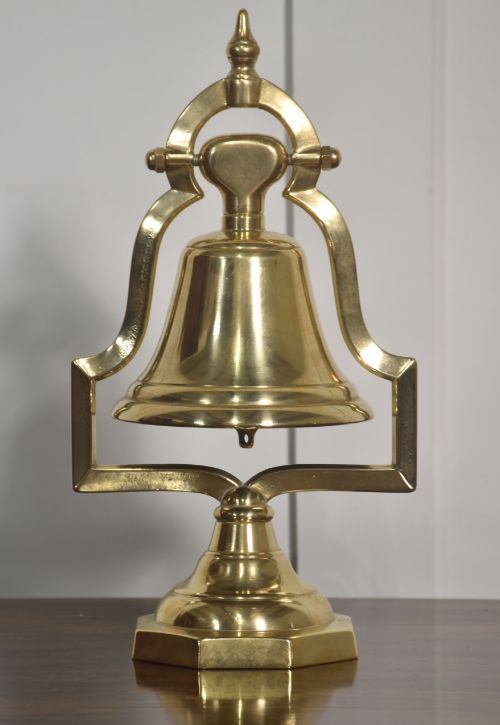
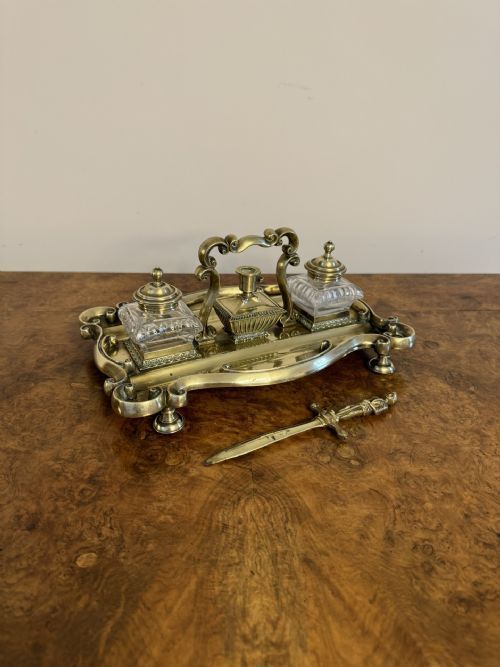
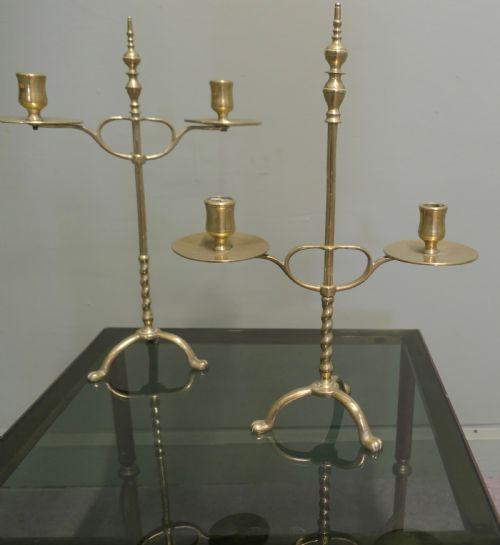
An antique brass desk stand organises a writer's desk with heavy metal inkwells, pen trays and candle holders.
Antique Brass Desk Stand
When you search for an antique brass desk stand, you are looking at functional desktop accessories designed to hold writing instruments, ink, and correspondence in Victorian and Edwardian studies. These pieces range from simple brass trays to elaborate fitted desk sets featuring glass inkwells and letter racks.
You are most likely to meet Victorian and Edwardian examples on this page, spanning the mid-nineteenth century to the early twentieth century. These items frequently combine cast or polished brass with fitted glass inkwells, wooden bases, or inlaid ormolu details.
The form developed to keep the writing surface tidy and supplied with ink before the widespread use of fountain pens. Collectors find these pieces in styles including Victorian Gothic Revival, French Empire, Napoleon III, and Edwardian utilitarian designs.
Materials and construction
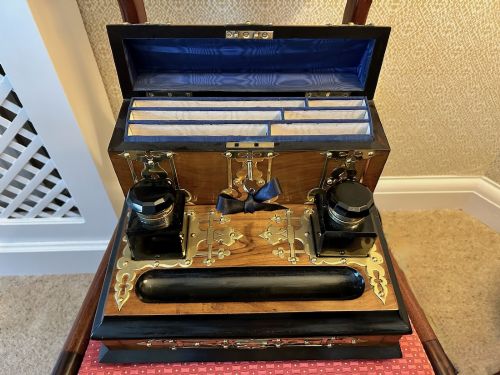
The primary material is cast or pressed brass, frequently paired with fitted glass inkwells and wooden bodies made from mahogany, walnut, rosewood, or oak. Some examples incorporate ormolu, gilt bronze, champlevé enamel, or tortoiseshell to enrich the surface texture.
Casting and joining techniques of the period involved sand-casting heavy brass bases, which were then chased, polished, and mounted to timber trays or stone plinths. Hinged lids, pen rests, and glass inkwell collars demonstrate precise metalworking and secure glass-to-metal fitting.
Materials paired with brass across these desk accessories include tortoiseshell, oak, rosewood, ormolu, and champlevé enamel.
Quality variations
The quality of an antique brass desk stand rests on the crispness of the metal casting, the thickness of the brass, and the integration of secondary materials like exotic woods or champlevé enamel. Heavy, solid castings with detailed chasing and original, undamaged glass inkwells represent the upper tier of manufacture.
Lighter pressed-metal pieces with simpler wooden trays sit lower in the range, relying on basic assembly rather than sculptural detail. The presence of signed maker elements, matching original inkwell liners, and sophisticated decorative styles such as Napoleon III or French Empire elevate an individual piece.
Lebegue and Cie·J Hicks of London·Thomas Rubergall of London·J M Paillard Paris
The Antique Brass Desk Stand Glossary
- Ormolu
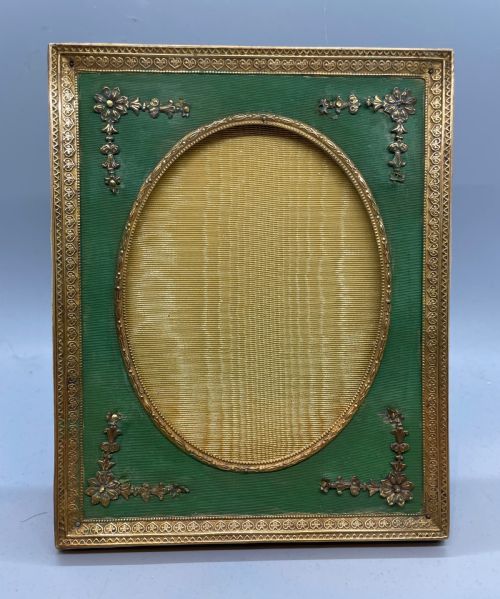
- Gilded bronze or brass applied to furniture and desk accessories. This decorative technique provides a bright, gold-coloured finish characteristic of French Empire and Napoleon III pieces.
- Champlevé enamel
- An enamelling technique where troughs are dug into a metal surface and filled with vitreous paste before firing. It appears on finer decorative desk stands.
- Boulle work
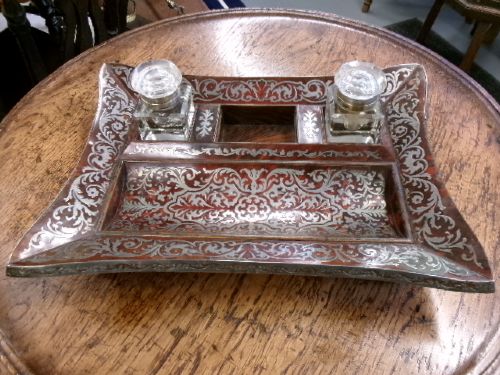
- Marquetry technique utilising tortoiseshell and brass inlay. Developed in France, it ornaments the wooden surfaces of luxury nineteenth-century desk sets.
- Inkstand
- A tray or stand holding one or more inkwells, sanders, and pen grooves. These central writing desk accessories keep fluids and implements close to hand.
Antique Brass Desk Stand: Frequently Asked Questions
What is an antique brass desk stand?
An antique brass desk stand is a desktop tray or frame designed to hold writing equipment, specifically inkwells, pens, and blotting paper.
These accessories were essential writing desk furniture during the nineteenth and early twentieth centuries, keeping ink and dipped pens organised for correspondence.
How were desk stands used?
They were placed on writing tables to provide a stable, central station for letter-writing and administrative tasks.
Users dipped their nibs into the fitted glass inkwells mounted on the stand, keeping the surrounding wood or leather writing surface safe from ink splatters.
How do I date a brass desk stand?
Dating relies on stylistic clues, manufacturing techniques, and accompanying materials such as mahogany, walnut, or champlevé enamel.
Victorian pieces often display heavier Gothic or Rococo Revival casting, while Edwardian versions lean towards cleaner, lighter ormolu and oak combinations.
Are the inkwells usually original?
Many surviving desk stands retain their original matching cut-glass or moulded glass inkwells, often fitted with hinged brass lids.
Because glass liners were fragile, replacements are common, making the presence of matching original inkwells a significant indicator of completeness.