
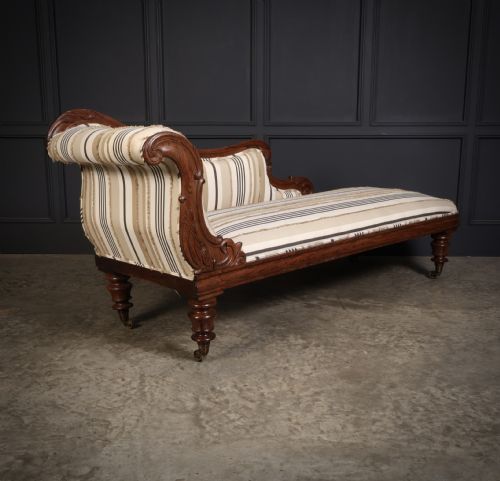


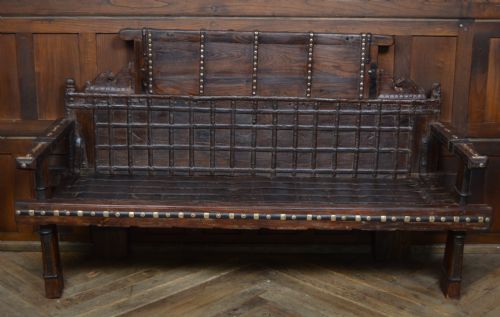


Antique Brass Daybed
An antique brass daybed brings nineteenth-century metalwork and versatile seating into a modern interior.
Antique Brass Daybed
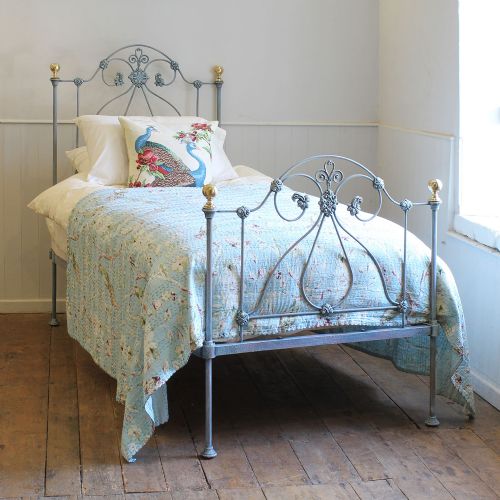
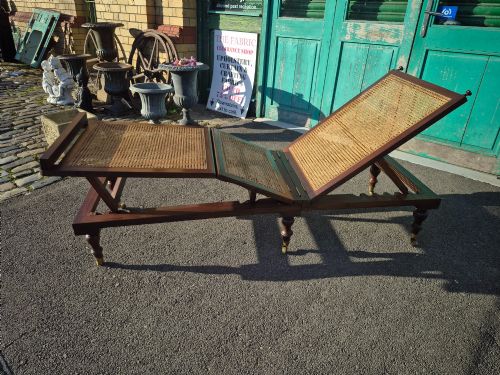
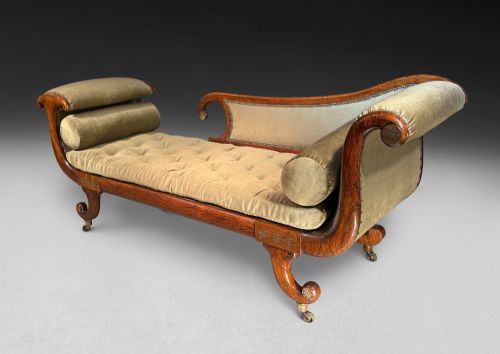
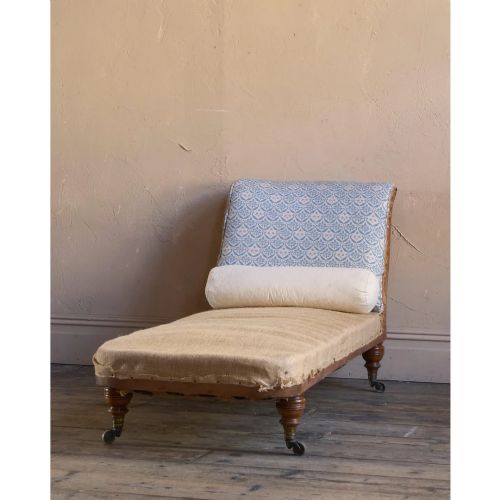
An antique brass daybed spans several distinct forms recorded in nineteenth-century workshops, including single beds, daybeds, and chaise longues. The listings here range from Regency simulated rosewood daybeds and campaign styles to Victorian brass and iron bedsteads and French single beds.
Makers and periods recorded in the evidence stretch from Regency and William IV pieces through Victorian examples up to Edwardian designs. Buyers encounter everything from platform-style iron and brass beds to ebonized day beds and upholstered chaise longues.
How they were made
Construction relies heavily on metals such as brass, cast iron, and wrought iron, frequently paired with wooden frames in mahogany, simulated rosewood, and ebonized timber. Many pieces combine structural iron with decorative brass components, while others incorporate fabric upholstery.
Techniques range from brass inlay work seen in Regency pieces to hoop details on Victorian and Edwardian frames. Workshop assembly methods unite cast and wrought metal elements with traditional timber joinery.
The listings show materials spanning brass, cast iron, wrought iron, mahogany, simulated rosewood, and fabric across nineteenth-century periods.
What varies in quality
Quality differences emerge in the execution of metal casting, the crispness of brass inlay, and the refinement of turned or carved wooden elements like mahogany and simulated rosewood. Pieces attributed to notable workshops demonstrate superior finishing in their metal joints and timber frames.
The sophistication of the silhouette - whether a simple iron and brass bedstead or an elaborate French design with hoop detail - determines the visual weight and presence of the piece within an interior.
Howard and Sons·Holland and Sons·R W Winfield·William Birch·Willian Trotter
The Antique Brass Daybed Glossary
- Daybed
- A piece of furniture serving as both a sofa and a bed, suitable for lounging and sleeping. These forms appear in Regency and nineteenth-century inventories.
- Chaise Longue
- An upholstered long chair for reclining, often featuring one raised end or backrest. Examples here span Regency mahogany and Victorian rosewood.
- Simulated Rosewood
- A painted or stained wood finish designed to imitate the grain and colour of genuine rosewood. This treatment appears on Regency day beds and chaise longues.
- Campaign Style
- Portable furniture designed for military officers on active service, featuring sturdy construction. Listings include campaign style day beds from the Regency period.
Antique Brass Daybed: Frequently Asked Questions
Can I use an antique brass daybed for sleeping every night?
Most antique brass daybeds and single beds were built to nineteenth-century dimensions, which often differ from modern mattress sizes. Buyers should check the internal length and width specifications carefully before planning regular use.
Support slats or bases may also need modern reinforcement to accommodate contemporary mattresses safely while preserving the original iron and brass frame.
How do I care for the brass and iron frame?
Maintaining nineteenth-century metalwork requires gentle dusting with a dry, soft cloth to prevent the accumulation of grit and moisture. Avoid harsh chemical polishes that can strip original patination from the brass components.
Iron elements, particularly on painted or cast surfaces, should be kept away from damp environments to prevent rust formation and preserve the structural integrity of the metal.
How do I identify a Regency period piece?
Regency pieces often display classical restraint, featuring characteristic details such as brass inlay, simulated rosewood finishes, and sabre legs. The proportions reflect early nineteenth-century design influences.
Comparing the construction methods and timber choices against documented workshop styles helps confirm the period attribution of these daybeds and couches.