



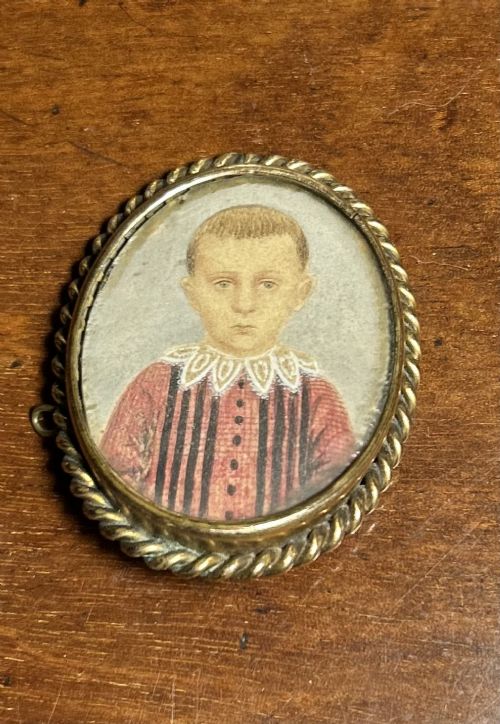
Antique Boy Portrait
An antique boy portrait captures childhood across centuries, offering collectors a direct window into historical dress and domestic life.
What an antique boy portrait is
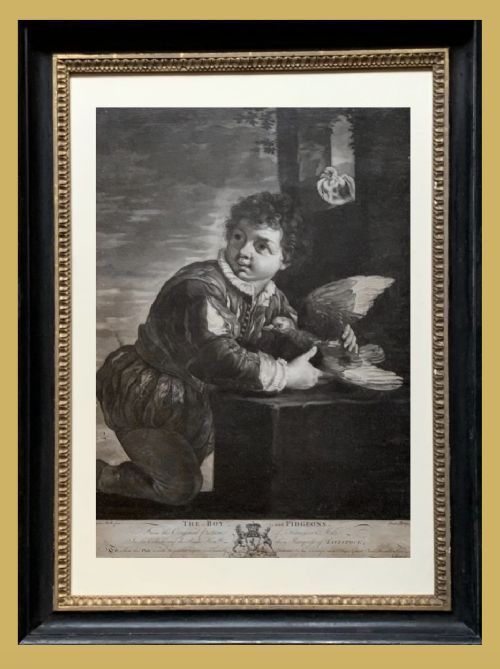
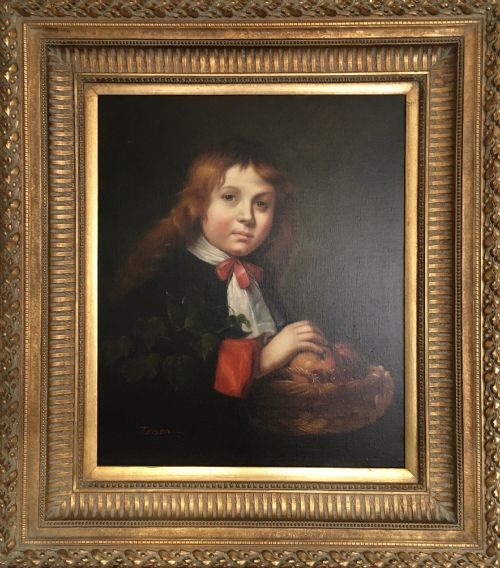
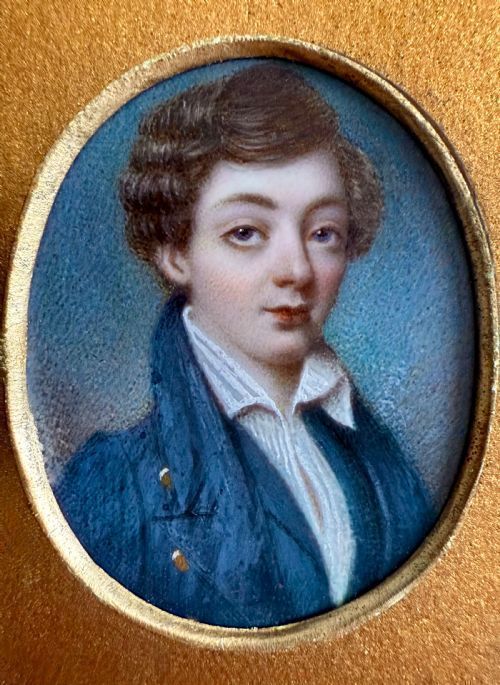
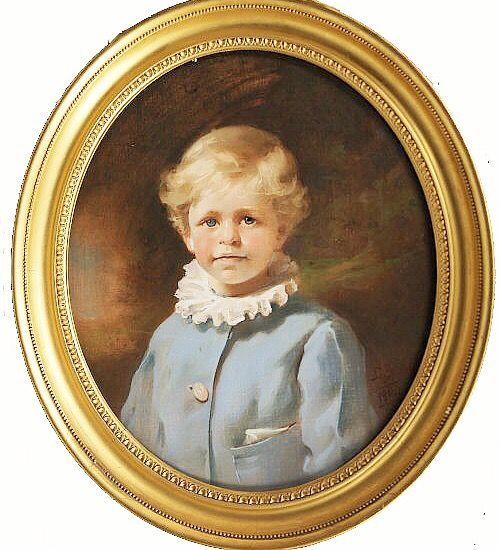
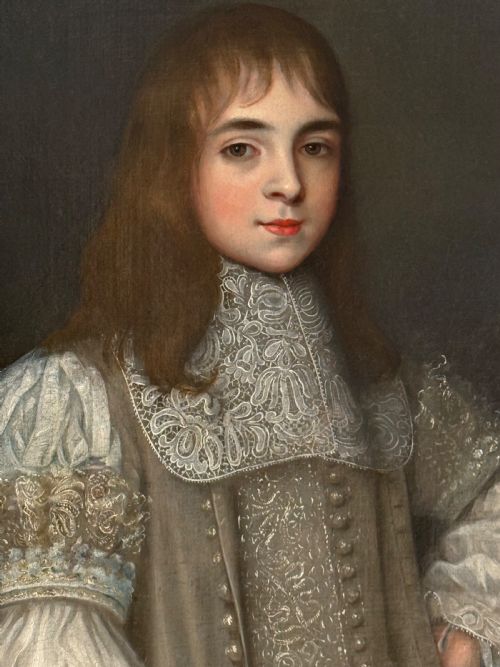
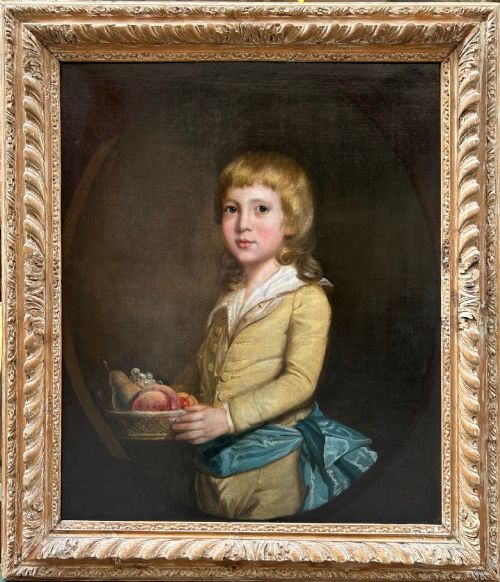
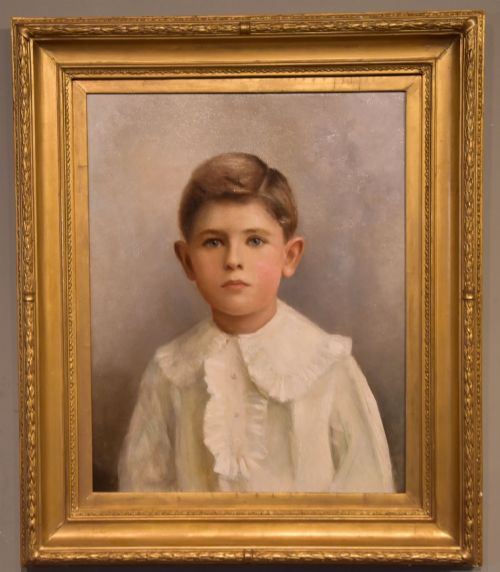
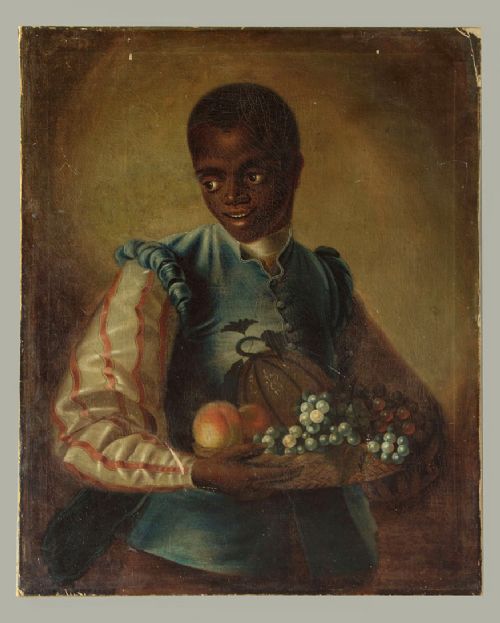
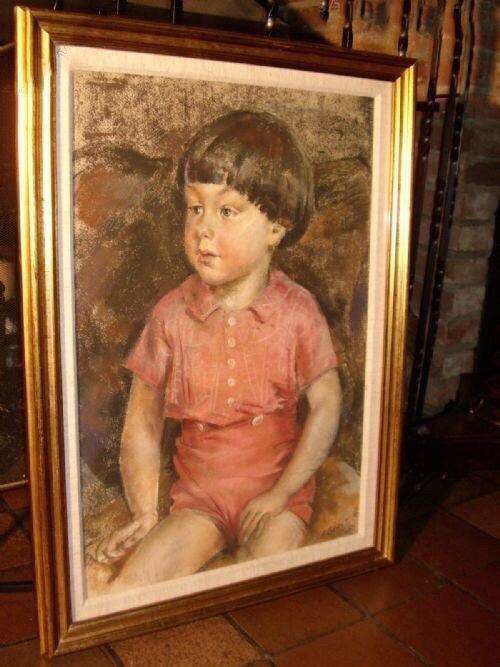
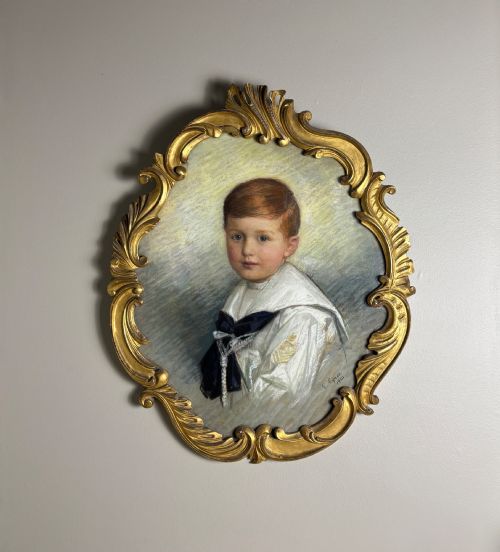
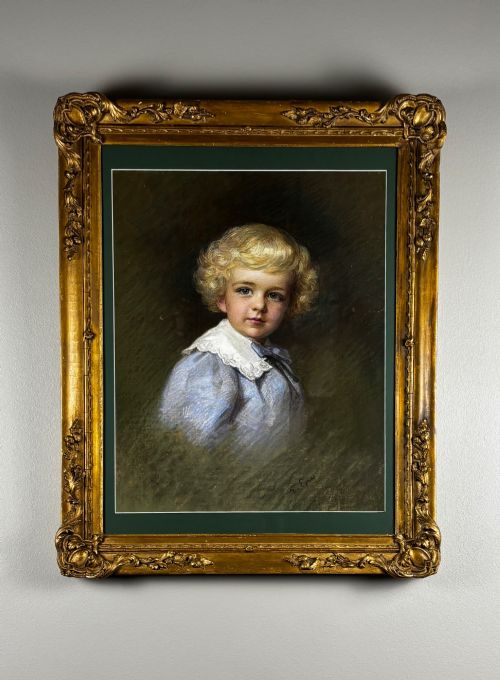
An antique boy portrait depicts young male subjects through paintings, sketches, and pastels spanning the seventeenth century to the modern era. These artworks range from formal Georgian oil paintings on canvas to intimate nineteenth-century pastel studies and folk art panels.
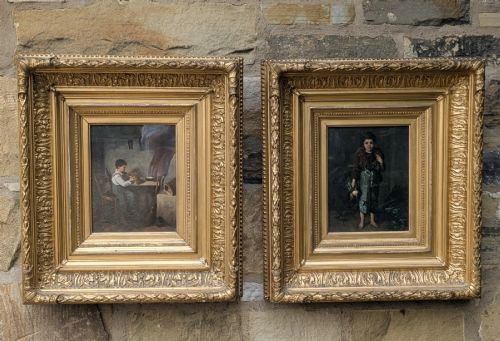
The pieces on this page originate from English, French, German, and Dutch schools, showcasing children in settings that vary from rural landscapes to quiet interiors. Subjects appear in specific historic attire, including red jackets, sailor suits, white smocks, and Victorian clothing, often accompanied by pets or toys.
Collectors encounter works attributed to named artists as well as pieces created by provincial or unassigned regional schools. The variety spans from detailed academic works to naive folk art interpretations.
What varies in quality
The survival of the original surface, stability of the support medium, and the presence of period frames significantly influence the standing of each piece.
Retail Price Guide 2026
Typical UK retail prices for boy portrait, calculated from the Sellingantiques database of over a million retail prices indexed since 2003. This retail price guide relies exclusively on Sellingantiques data; no external sources or auction records are used, so the figures do not describe the wider market.
Young sitters frequently share the canvas with dogs, hoops, and model boats, ensuring nobody took themselves too seriously.
Septimus Scott·Arthur Pond·Edward Bird·John Russell·Mary Beale·John Michael Wright·Walter Goodin·Valentine Cameron Prinsep·Richard Beavis
The Antique Boy Portrait Glossary
- Canvas
- A heavy woven fabric stretched across a wooden frame to serve as a painting surface. It provides flexibility and texture characteristic of traditional oil paintings.
- Pastel
- A dry medium made of powdered pigment and a binder, pressed into stick form. It produces velvety colours that require protection under glass.
- Panel
- A flat wooden board used as a rigid support for paintings. It offers a smooth surface favoured in earlier centuries.
- Giltwood
- Wood carved and coated with gold leaf or gold-coloured metallic finish. It defines ornate period framing.
- English School
- A classification for works produced by artists trained or working in England. It groups unassigned hands within a national tradition.
Frequently Asked Questions
How do I date an antique boy portrait?
Dating relies on the clothing style of the sitter, the framing materials, and the physical characteristics of the canvas or panel. Examining the pigments and any inscribed signatures on the reverse provides further chronological clues.
Comparison with documented works from specific periods like the Georgian era or the nineteenth century helps narrow the date of execution.
What mediums were used for these portraits?
Artists employed oil paint, pastel, watercolour, and pencil across various supports. Canvas and wooden panels suited oil applications, while paper supported delicate watercolours and pastels.
Each medium creates a distinct visual texture that reflects the artistic conventions of its period.
Why do some portraits include animals?
Pets such as dogs appear frequently in historical portraits to symbolize loyalty, companionship, and the status of the family. Animals add narrative warmth to formal compositions.
They also provide a sense of scale and domestic context for the young sitter.
What is the difference between academic and folk art portraits?
Academic portraits reflect formal training with precise anatomy, sophisticated lighting, and realistic proportions. These works usually come from known artists or established regional schools.
Folk art or naive portraits exhibit flattened perspective and simplified forms, created by provincial painters focusing on direct charm rather than rigid academic rules.
How should I care for a pastel portrait?
Pastel works require secure framing under glass to protect the loose pigment from physical disturbance and moisture. They must be kept away from direct sunlight to prevent fading.
Avoid hanging pastels in damp environments to protect the fragile paper support.