
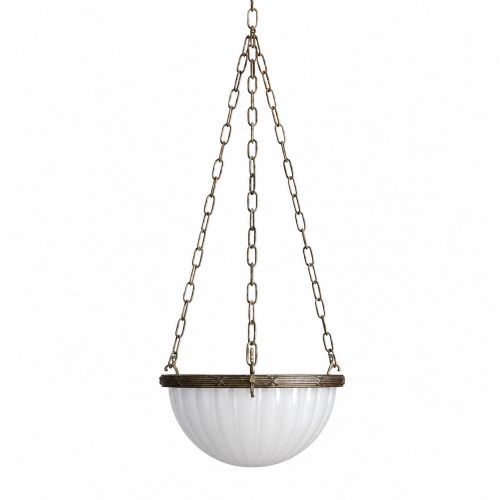


Antique Bowl Pendant Light
An antique bowl pendant light suspends delicate illumination from your ceiling, bringing period character and warm atmosphere to a room through carved stone and pressed glass.
Antique Bowl Pendant Light
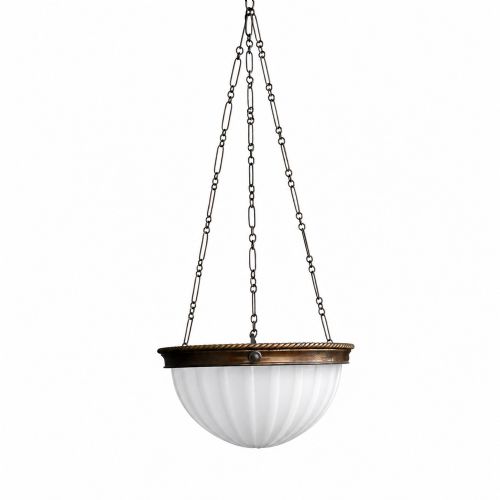
These fixtures serve as primary or secondary ceiling lighting, typically suspended by cords, chains, or metal rods to cast diffused light downward into a space. When exploring an antique bowl pendant light, you encounter diverse forms ranging from shallow dishes to deep hemispherical vessels hung from upper rooms.
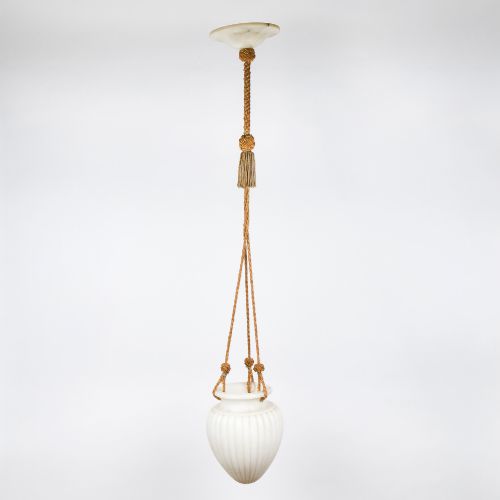
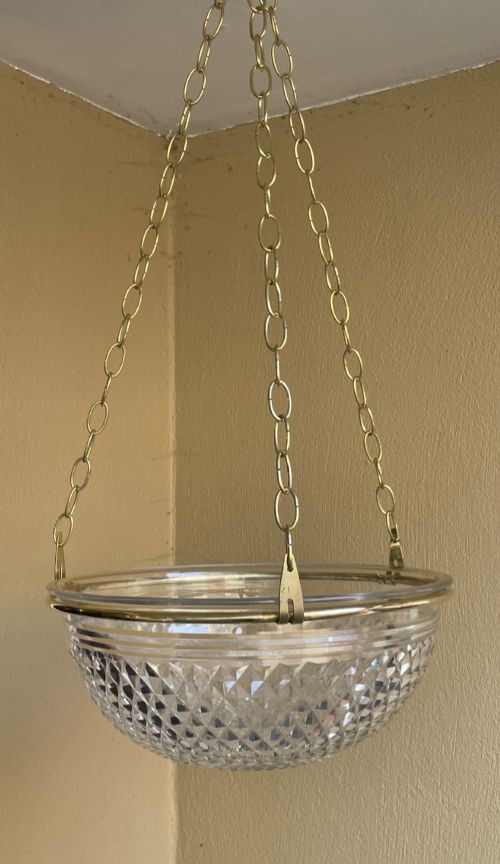
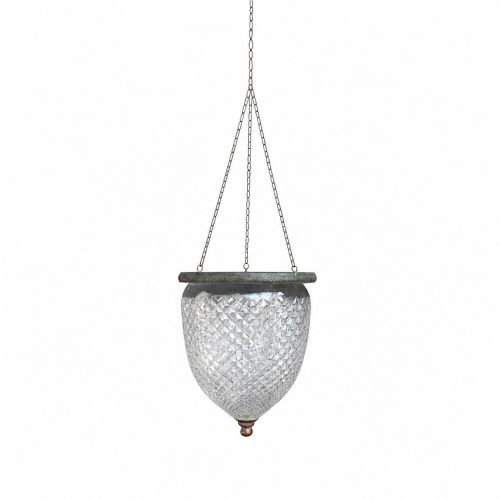
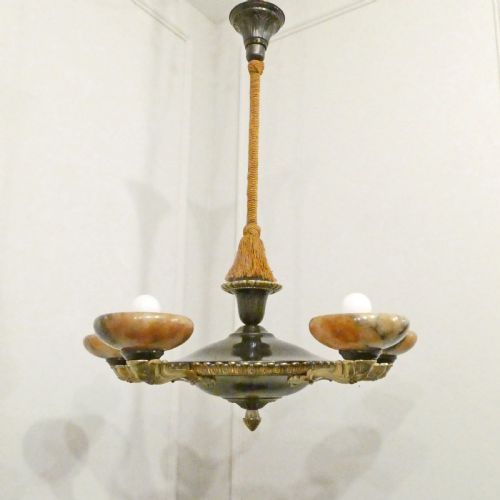
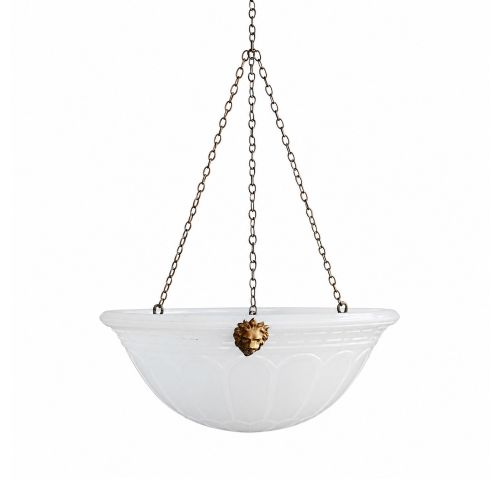
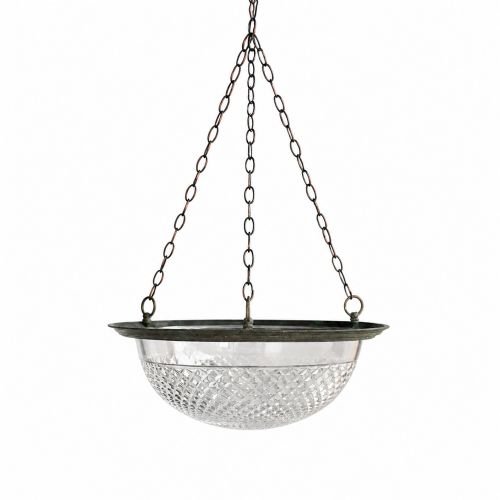
The selections span distinct historical eras from the mid-nineteenth century through the 1930s, encompassing Victorian, Edwardian, and Art Deco design sensibilities. You frequently meet pieces fashioned from white alabaster, cut glass, and opalescent glass held within metal frames.
Makers and designers from England, Sweden, and beyond produced these ceiling fixtures to light hallways, parlours, and dining spaces. The inventory demonstrates how dining rooms and stairwells traditionally accommodated these suspended bowl designs for ambient illumination.
Materials and construction methods
Craftsmen utilised natural stone and specialised glasses, shaping alabaster into translucent hanging dishes and moulding glass into opalescent, moonstone, and cut crystal bowls. These mineral materials allowed light to filter softly through the room rather than projecting harsh glares.
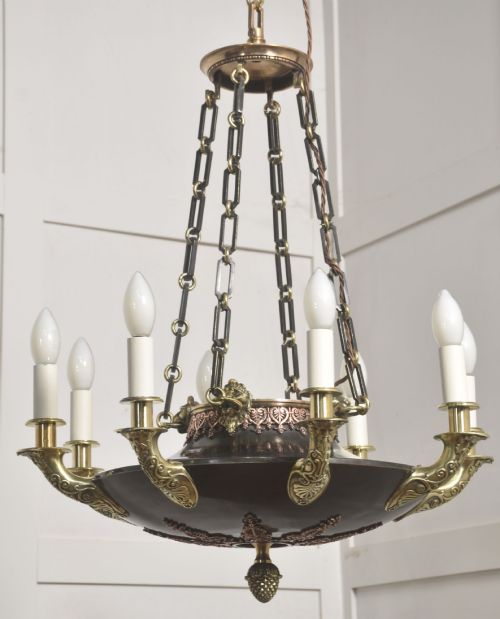
Metalwork played a structural role, employing brass, bronze, copper, and silver plating to form suspension bands, rams head mounts, and chains. Artisans joined these metallic elements securely to glass dishes and alabaster bowls to support the weight safely from ceilings.
Listings feature pieces spanning the nineteenth century through the 1930s, highlighting the transition from Victorian and Edwardian brass and cut glass to Art Deco alabaster.
Distinctions in quality and execution
Superior examples display crisp hand-cutting on crystal surfaces and finely detailed bronze or brass casting on mounts and suspension hardware. The clarity of the glass and the purity of the carved alabaster grain set finer specimens apart from standard production.
The sophistication of the stylistic integration defines the better pieces, where metal fittings complement the contour of the glass or stone bowl harmoniously. Weight, metal gauge, and the precision of the suspension mechanics reflect the original tier of manufacture.
Verrerie Des Vosge
The Antique Bowl Pendant Light Glossary
- Plafonnier
- A ceiling light fitting where the shade sits flush or hangs closely beneath the ceiling fixture plate. These often take the form of shallow glass or alabaster bowls.
- Alabaster
- A fine-grained, translucent stone used extensively for carved hanging light bowls during the early twentieth century. Its natural veining diffuses light evenly across a room.
- Moonstone glass
- An opalescent type of glassware exhibiting a milky, soft appearance reminiscent of moonlight. It creates a gentle, low-glare illumination when fitted with an interior bulb.
- Opalescent glass
- Glass containing ingredients that cause it to diffuse light with a milky or iridescent sheen. This material scatters illumination evenly without harsh hot spots.
Antique Bowl Pendant Light: Frequently Asked Questions
How do I hang a heavy bowl pendant light?
Suspension requires secure ceiling joist anchorage and appropriate weight-rated fixings to support heavy stone or thick glass bowls safely. Professional electrical installation ensures the chains and wiring manage the load correctly.
Most antique bowl pendant lights utilise matching brass or bronze chains connected to a ceiling canopy. Adjusting the drop height depends on your ceiling clearance and the room's function.
What rooms suit an antique bowl pendant light?
These hanging fixtures suit hallways, dining rooms, and bedrooms where ambient, downward illumination creates an inviting atmosphere. Their suspended bowl form distributes light evenly across mid-sized spaces.
Low ceilings require shorter suspension chains or plafonnier styles that sit closer to the plasterwork. Taller rooms accommodate longer drops and larger multi-light chandeliers.
Are alabaster lights very heavy?
Alabaster is a dense natural stone, making carved dish and bowl shades substantially heavier than standard glass alternatives. This weight necessitates robust ceiling fixings and strong suspension chains.
When handling alabaster bowls during cleaning or installation, support the base securely. The stone requires careful maintenance to preserve its natural translucent finish.