



Antique Bow Pendant
An antique bow pendant brings the delicate, ribbon-tied grace of past centuries directly to the modern neckline.
Antique Bow Pendant
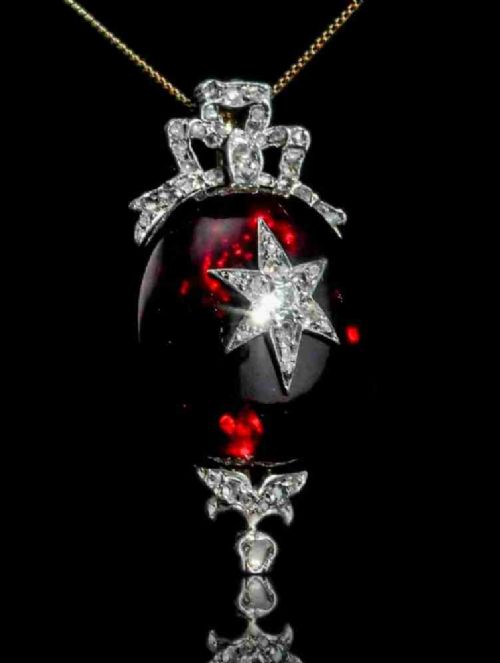
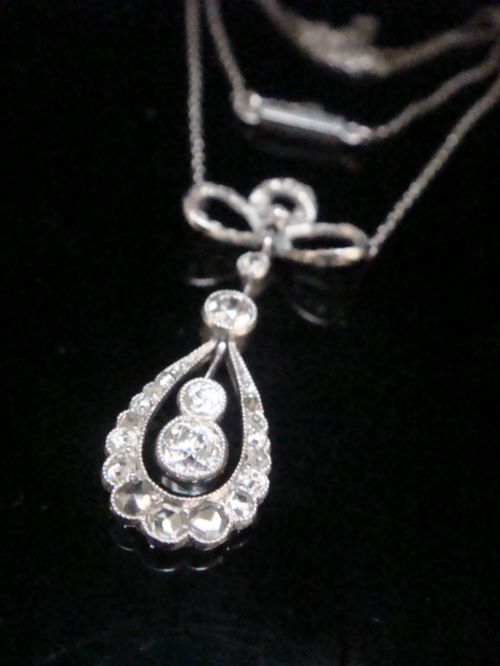
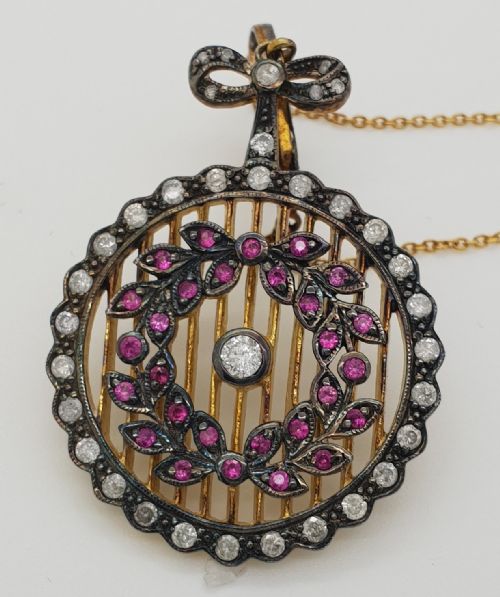
An antique bow pendant captures a textile motif in precious metals and gemstones, translating fabric ribbons into lasting ornaments. When searching for an antique bow pendant, collectors encounter varied iterations ranging from strict Victorian ribbon knots to elaborate Edwardian creations.
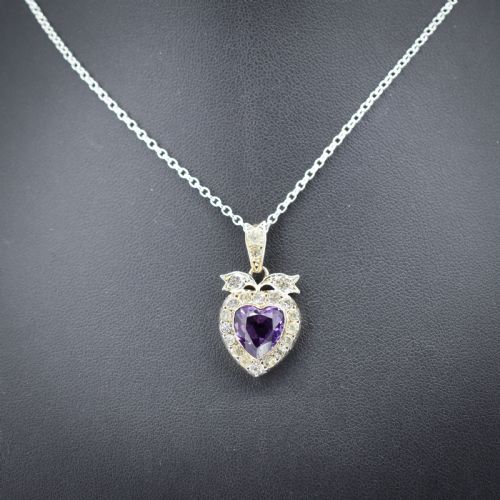
The evidence shows these pieces span multiple eras, with Edwardian and Victorian designs dominating the selections. Forms frequently double as pendant brooches or incorporate drop elements like hearts, stones, and pearls hanging beneath the tied ribbon.
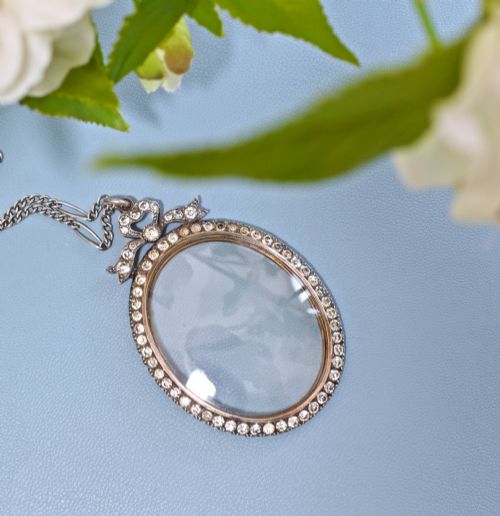
Originating across different decades, these jewels appear in configurations such as simple gold ribbons, diamond-set platinum frameworks, and silver-backed paste glass assemblages. The dual brooch-pendant conversion mount is a recurring structural format across these periods.
Materials and Construction
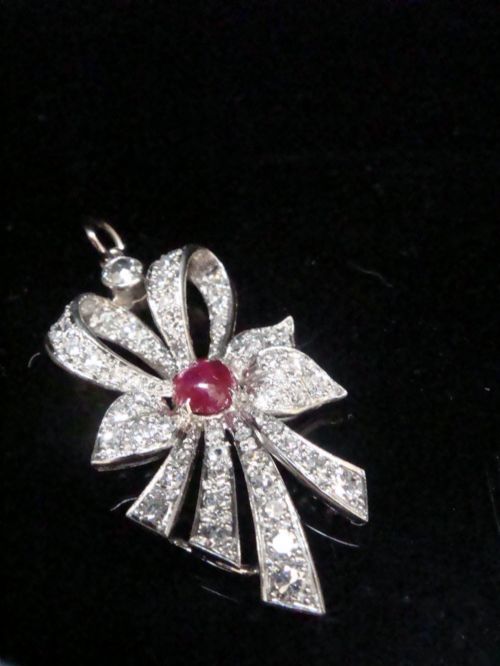
Goldsmiths and jewellers utilised silver, yellow gold, white gold, and platinum as structural foundations, often combining metals like silver-topped gold to enhance diamond settings. Precious stones including diamonds, rubies, sapphires, garnets, and natural pearls are flush-set, claw-set, or bezel-set into the articulated metal ribbons.
Alternative materials like paste glass appear in historic examples to mimic precious gemstones, alongside enamel work and coloured stones such as turquoise and tourmaline. Construction often involves multi-layered articulated sections that allow the ribbon loops to mimic the flexibility of real fabric.
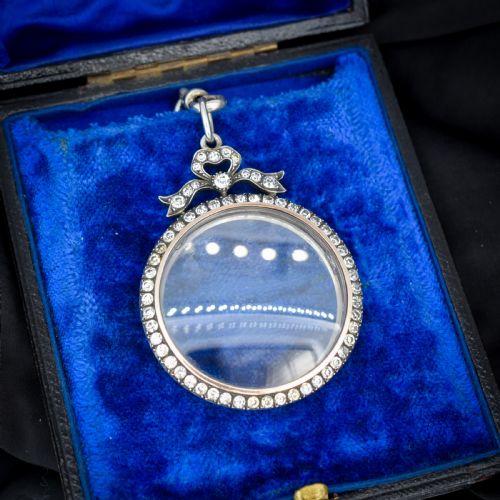
One Edwardian gem comes safely tucked inside its original fitted shop box, preserving a miniature time capsule from the early twentieth century.
Evaluating Quality and Execution
The distinction between ordinary and exceptional pieces rests upon the finesse of the metalwork and the symmetry of the tied ribbon loops. Superior examples display hand-cut stones, such as old cut diamonds, secured in finely pierced platinum or gold rather than heavy, clumsy castings.
Articulation and stone matching determine the upper tier of these jewels, where individual ribbon folds move independently and side stones complement the central gem. Lesser pieces exhibit rigid construction, mismatched paste replacements, or heavy-handed past repairs that obscure the original proportions.
EDUARD FOEHR
The Antique Bow Pendant Glossary
- Paste glass
- Hand-cut glass utilised in historic jewellery to imitate gemstones like diamonds, rubies, or emeralds. It is typically foil-backed in older pieces to enhance brilliance.
- Old cut
- A diamond facet arrangement predating the modern brilliant cut, characterised by a smaller table, higher crown, and open culet. These stones display a softer light return under candlelight.
- Lavalier
- A pendant featuring a primary decorative motif suspended from a chain, often incorporating a secondary dangling drop stone or pearl. This style gained immense popularity during the Edwardian era.
- Pendant brooch
- A versatile jewellery mounting that combines a hinged pin with a hidden loop. This allows the wearer to pin the piece to clothing or suspend it from a neck chain.
- Rose cut
- A vintage diamond or gemstone cut featuring a flat base and a domed crown composed of triangular facets. It resembles an unopened rosebud and produces a subtle, translucent shimmer.
Antique Bow Pendant: Frequently Asked Questions
How do I wear an antique bow pendant?
Many of these pieces double as brooches, featuring a pin mechanism alongside a suspension loop on the reverse. You can hang them from delicate gold chains or secure them directly to jacket lapels.
Ensure the safety catch functions properly if you choose to wear the piece pinned to fabric rather than suspended from the neck.
What periods do these bow pendants come from?
The listed items predominantly hail from the Victorian and Edwardian eras, spanning the late nineteenth century through the early twentieth century. Later mid-century examples also appear.
Each period imparts distinct stylistic traits, from the heavier gold work of the eighteen-eighties to the platinum-laced diamond settings of nineteen-ten.
How do I clean an antique bow pendant?
Careful maintenance preserves the delicate metalwork, foil-backed stones, and natural pearls common in these historic jewels. Avoid harsh chemical dips or ultrasonic cleaners, which can damage softer gemstones or dislodge paste glass.
Instead, use a soft, dry cloth to remove surface oils after wearing, and consult a specialist restorer for deeper cleaning.
Are the diamonds in these pendants modern?
Diamonds found in these items are period-appropriate hand-cut stones, such as old cut or rose cut variations. These cuts feature proportions unique to nineteenth and early twentieth-century lapidary work.
They reflect light differently than modern brilliant-cut diamonds, offering a softer, warmer sparkle under ambient light.