





Antique Bow Ceramics
These antique bow ceramics bring the celebrated craftsmanship of early English kilns directly to your collection.
Antique Bow Ceramics
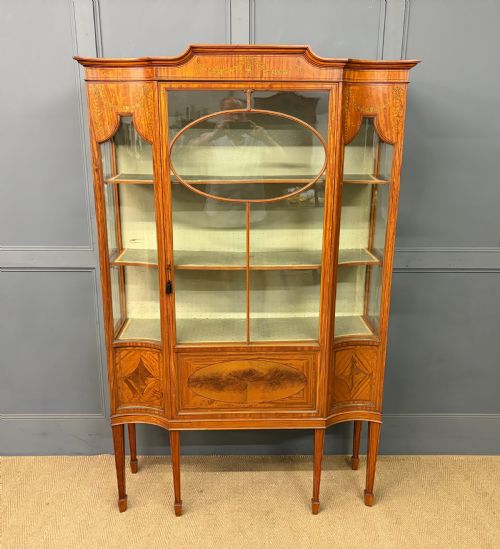
Most pieces date from the mid-eighteenth century, representing the early output of the London factory. Alongside these core factory examples, the listings include later nineteenth-century revival vases and related cabinet furniture designed to display ceramic collections.
How they were made
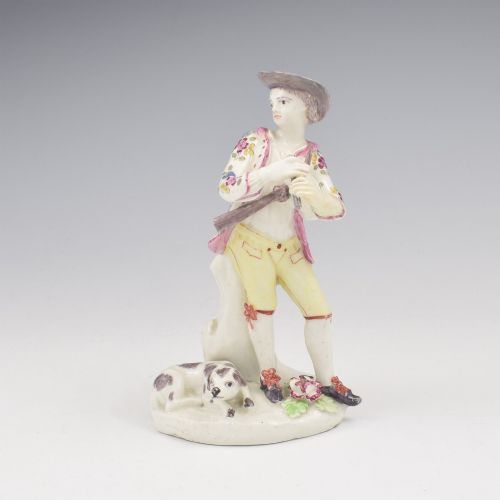
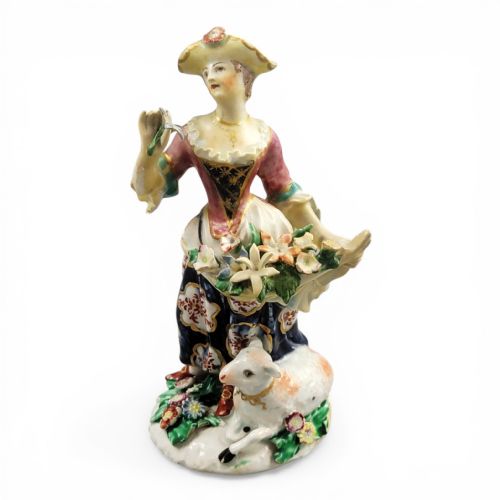
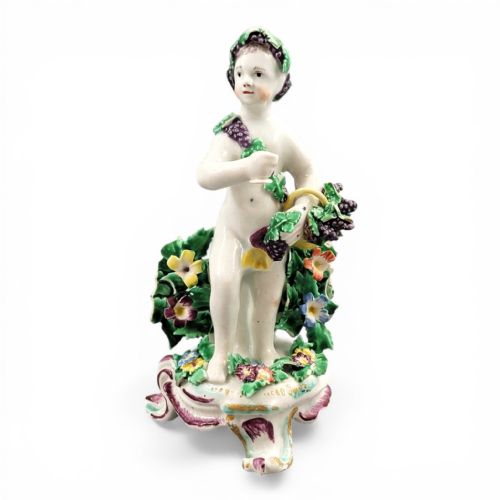
Makers utilised soft-paste porcelain bodies, shaping them into tableware, bocage candlesticks, and allegorical figures. These forms were then painted by hand using enamel pigments, often incorporating underglaze blue painting or vibrant polychrome palettes.
Certain items display applied gold leaf and gilding to accentuate moulded details, while later nineteenth-century pieces employ distinct manufacturing methods suited to transitional factory production.
Antique Bow Ceramics Retail Price Guide 2026
Typical asking prices for bow ceramics among the pieces listed under this phrase on Sellingantiques today, from the lower quarter to the upper quarter. They describe what is for sale here now, not the wider market.
Listings span the eighteenth, nineteenth, and early twentieth centuries, incorporating soft-paste porcelain, enamel, satinwood, and gilt.
What varies in quality
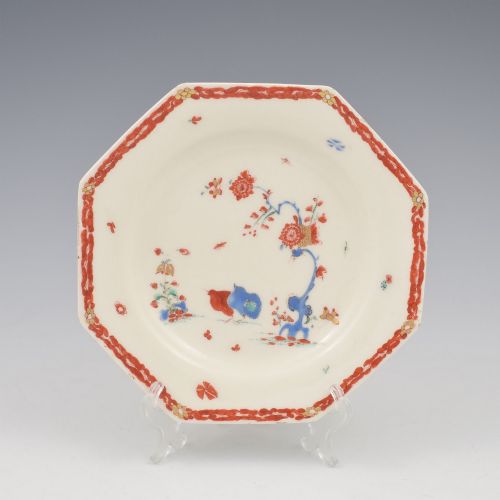
The precision of the hand-painted enamels distinguishes finer examples from simpler factory output. Pieces featuring complex polychrome schemes, such as Kakiemon quail patterns or detailed Mandarin Chinese motifs, demonstrate superior artistic execution.
Model complexity also defines the range, separating standard domestic tableware from intricate sculptural figures and bocage candlesticks that demand advanced moulding and assembly skills.
Maple and Co·Royal Worcester
The Antique Bow Ceramics Glossary
- Soft-paste porcelain
- A type of ceramic body composed of clay and glass frit, fired at lower temperatures than hard-paste porcelain. This formula gave early English factories their characteristic warm translucency.
- Bocage
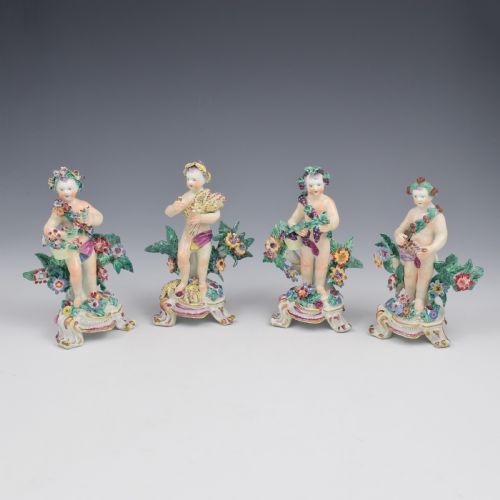
- An intricate background of applied leaves and branches modelled around ceramic figures. It creates a leafy arbour effect common on eighteenth-century figures and candlesticks.
- Putto
- A plump male child figure, often winged, used in classical and allegorical decorative schemes. These figures frequently appear in seasonal sets on this page.
- Gilding
- The application of gold leaf or gold powder to ceramic surfaces. It highlights raised borders, handles, and painted motifs.
Antique Bow Ceramics: Frequently Asked Questions
What is an antique bow ceramic?
Antique bow ceramics refer to porcelain and pottery produced by or associated with the early English manufactory. These objects range from practical vessels like sauce boats to decorative figurines.
The factory pioneered soft-paste porcelain production in London during the mid-eighteenth century. Its output reflects both Chinese export influences and native European styles.
How were eighteenth century figures used?
Figurines and allegorical sets served as ornamental centrepieces for dining tables and mantelpieces during the Georgian period. They were intended to spark conversation and display the owner's refined taste.
Unlike utilitarian plates or sauce boats, these sculptural objects remained purely decorative. Collectors placed them in glazed display cabinets to protect the delicate painted surfaces.
How do I identify a Kakiemon pattern?
Kakiemon patterns on these ceramics feature asymmetric compositions of birds, flowers, and banded hedges. The palette relies on specific enamel colours including iron red, soft yellow, and turquoise blue.
This Japanese aesthetic influenced eighteenth-century painters at the London factory. The resulting export-style designs remain distinct from standard European floral motifs.
Where should I place these in my home?
These ceramics require stable environments away from direct sunlight and extreme temperature fluctuations to protect their hand-painted enamels. Placing them inside enclosed display furniture provides necessary physical protection.
Pairing smaller figures or plates with period cabinets creates an authentic historical display. Proper lighting inside a cabinet helps reveal the subtle translucency of the soft-paste body.