



Antique Boudoir Tables
Antique boudoir tables and their intimate companion pieces bring refined surface utility and decorative charm to private dressing rooms and sitting spaces.
Antique Boudoir Tables
When you search for antique boudoir tables, you encounter a selection spanning small occasional tables, kidney-shaped side surfaces, and complementary dressing furniture. These pieces originate from the Victorian and Edwardian eras through to the Art Deco period, incorporating French Rococo Revival and Louis styles.
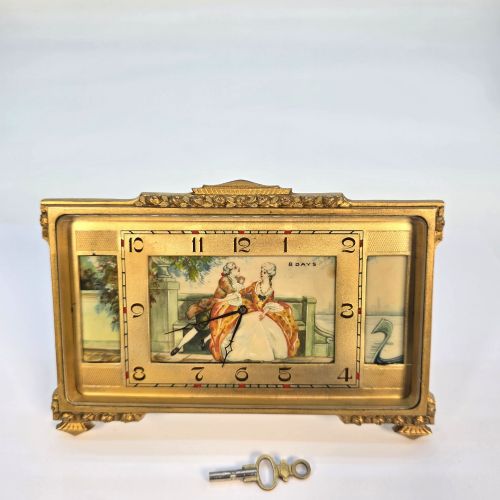
The assortment on this page extends beyond simple tables to include the miniature clocks, lamps, mirrors, and stools that traditionally furnished such private spaces. The forms reflect an emphasis on intimate scale and decorative detail, utilising shapes like the kidney curve and circular tabletops.
How they were made
Maker construction relies heavily on traditional cabinet-making woods such as mahogany and rosewood, sometimes enhanced with marquetry inlay or painted finishes. Metalwork forms a significant component, utilising brass, ormolu, gilt bronze, copper, and sterling silver.
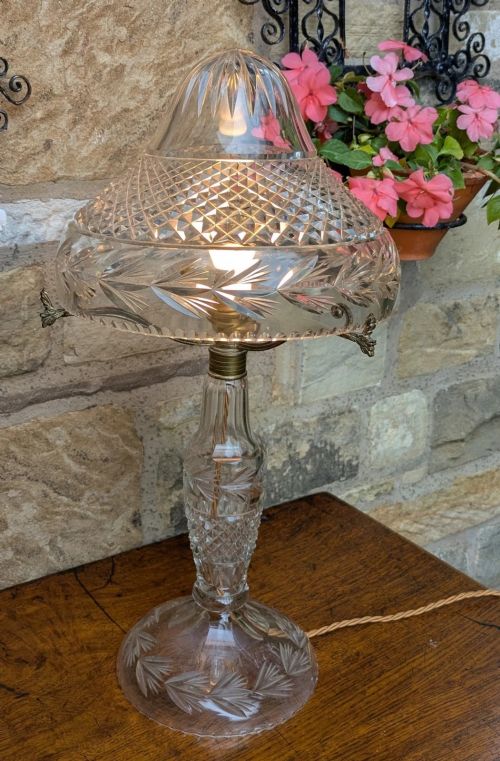
Decorative detailing incorporates materials like cut glass crystal, enamel, porcelain, and marble tops. Artisans employed casting, chasing, and glass-cutting techniques to achieve the ornate surfaces characteristic of the period.
Antique Boudoir Tables Retail Price Guide 2026
Typical asking prices for boudoir tables among the pieces listed under this phrase on Sellingantiques today, from the lower quarter to the upper quarter. They describe what is for sale here now, not the wider market.
A porcelain doll head serves as a powder puff stand.
What varies in quality
Quality differentiates itself through the crispness of casting in ormolu and gilt brass, and the fineness of hand-painted porcelain panels or enamel work. Superior examples demonstrate meticulous joinery in marquetry tables and precise movement in miniature timepieces.
The selection of materials, from heavy marble tops to thick cut crystal glass, dictates the physical weight and enduring presence of each piece. Integration of stylistic elements, whether French Rococo Revival or Art Deco geometry, shows varying degrees of artistic conviction.
Georges Leleu·Stuart Crystal·William Comyns·J Batson And Son·Haentgos Freres Paris·Fasold And Stuach·Henry Matthews
The Antique Boudoir Tables Glossary
- Ormolu
- A golden-coloured bronze alloy used for decorative mounts and furniture ornaments. It undergoes fire gilding with mercury, though later pieces use electroplating.
- Champlevé enamel
- A technique where troughs or cells are hollowed out of a metal surface and filled with vitreous enamel powder before firing. This creates colourful decorative patterns on clock cases and small accessories.
- Marquetry
- The art of applying pieces of veneer to a structure to form decorative patterns and pictures. Craftsmen utilise various woods to create tonal contrast on tabletop surfaces.
- Guilloche enamel
- A decorative mechanical engraving technique covered with translucent enamel. It produces repeating geometric patterns on miniature timepieces and vanity items.
Antique Boudoir Tables: Frequently Asked Questions
What is an antique boudoir table?
An antique boudoir table is a small scale occasional or side table designed for a private dressing room or bedroom. These pieces often feature kidney-shaped tops or delicate wood marquetry.
They provide surface space for personal items like perfume bottles, mirrors, and small timepieces. The forms frequently draw on French stylistic influences from the nineteenth and early twentieth centuries.
How do I identify Art Deco pieces?
Art Deco items from the 1920s and 1930s display geometric forms, clean lines, and modern industrial materials like celluloid, copper, and pressed brass. You will often see stylised motifs rather than historical revival ornamentation.
These objects include table lamps with glass shades, bold enamel clocks, and powder puff stands that reflect the design sensibilities of the interwar period.
How do I style these items at home?
You can integrate these smaller antique pieces into modern interiors by using them as accent surfaces in hallways, bedrooms, or living rooms. Miniature clocks and lamps add focal points to sideboards and bookshelves without dominating the space.
Pairing wooden occasional tables with metallic accessories like brass lamps or crystal glassware highlights the varied textures found in nineteenth and twentieth-century decorative arts.