






Antique Botanical Wall Decor
Antique botanical wall decor brings the structure of the natural world indoors through framed prints, engravings, and paintings.
Antique Botanical Wall Decor
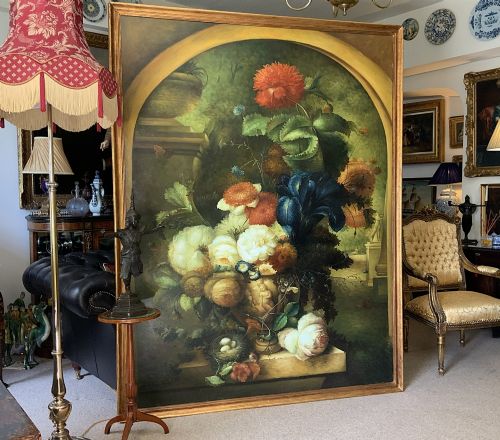
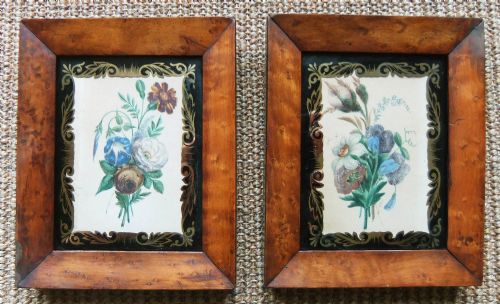
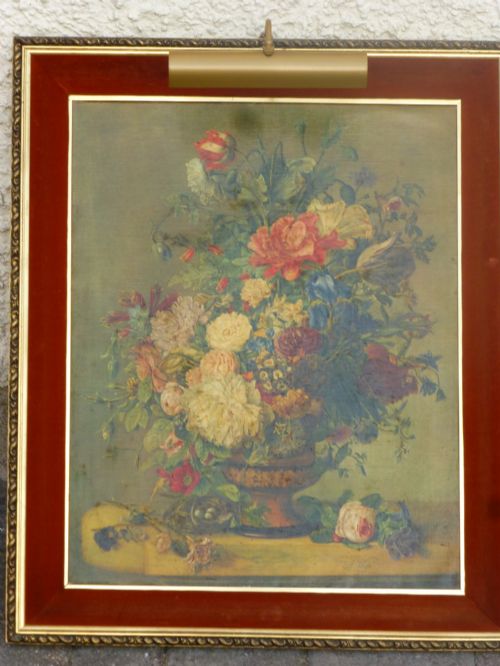
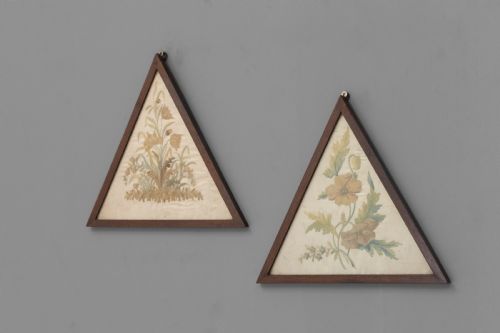
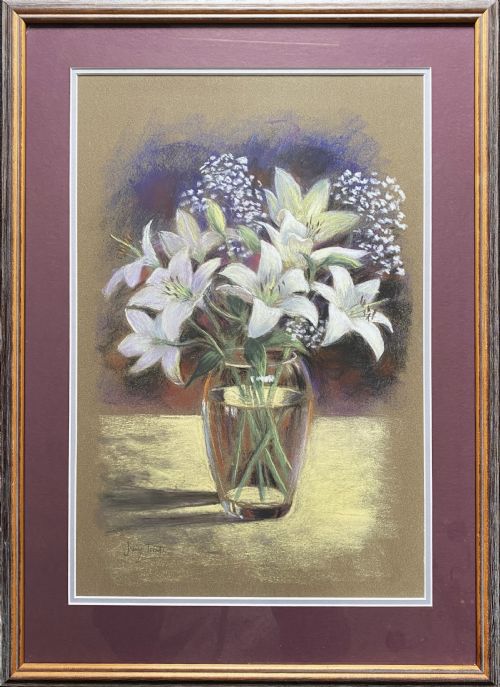
Antique botanical wall decor encompasses framed prints, engravings, and paintings that record plants, flowers, and natural specimens from past centuries. Pieces range from Victorian pressed flower arrangements to nineteenth century hand coloured engravings and framed butterfly prints.
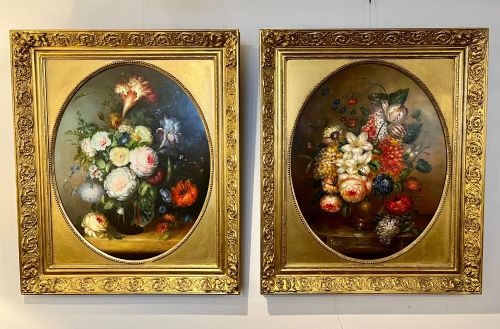
Buyers seeking this style most commonly encounter nineteenth century framed prints and engravings alongside oil paintings depicting floral and garden scenes. These works appear in traditional wooden frames, often retaining their original glass and paper mounts.
How they were made
Makers utilised paper, card, and silk as the primary surfaces for botanical illustrations, framing them behind glass within wooden or gilded wood surrounds. Engravings were often hand coloured with watercolours to accentuate the natural hues of the specimens.
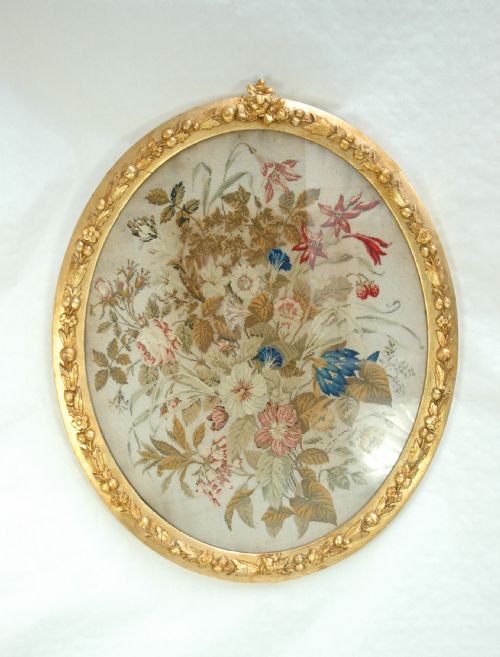
Traditional framing methods involved securing delicate paper specimens or pressed flora within tight wooden rebates to protect them from dust and moisture. Heavier works, such as oil paintings and embroidered panels, relied on woven canvas or textile backing mounted to wooden stretchers.
Antique Botanical Wall Decor Retail Price Guide 2026
Typical asking prices for botanical wall decor among the pieces listed under this phrase on Sellingantiques today, from the lower quarter to the upper quarter. They describe what is for sale here now, not the wider market.
The listings span from the eighteenth century through to the mid twentieth century, featuring paper, glass, wood, and silk.
What varies in quality
Quality rests upon the precision of the botanical draftsmanship and the preservation of the paper or textile ground. Crisp lines in nineteenth century engravings and vibrant pigments on hand coloured plates separate standard decorative prints from works by documented naturalists.
The integrity of the original framing, including period glass and untouched gilt wood mouldings, alters the character of a piece. Faded watercolours or severe foxing on paper reduce the visual clarity of the specimen.
Poix Blin·Vincent Clare·John Curtis·Emily Selinger·Harold Edward Conway
The Antique Botanical Wall Decor Glossary
- Foxing
- Brown age spots that appear on old paper due to chemical reactions over time. These spots frequently develop on nineteenth century botanical prints and engravings.
- Engraving
- A printmaking technique where an image is incised into a metal plate to hold ink. This method produced the fine detail seen in historical botanical illustrations.
- Gilt wood
- Wood coated with a thin layer of gold leaf or gold paint. Many period frames for botanical art utilise this finish.
- Mount
- The card or paper border placed inside the frame around the artwork. It separates the delicate paper print from the glass.
Antique Botanical Wall Decor: Frequently Asked Questions
How do I hang antique botanical prints safely?
Hang these framed pieces using picture wire and appropriate wall anchors to support the weight of the wood and glass. Keep them away from direct sunlight to prevent the paper and watercolours from fading.
Ensure the room maintains a stable humidity level to protect the old paper and wooden frames from warping or developing further foxing over the years.
Are these botanical prints original or modern copies?
Examine the paper closely under magnification to check for plate marks, genuine hand colouring, and the characteristic texture of nineteenth century rag paper. Modern reproductions typically show uniform dot patterns from modern printing rather than fine engraved lines.
Check the reverse of the frame for period backing papers, old framer labels, and oxidized nails which indicate genuine age.
Can I display botanical prints in a hallway?
Hallways make suitable locations provided the walls do not experience extreme temperature fluctuations or damp conditions. Avoid placing delicate paper and silk items in narrow spaces where they might be brushed against or knocked.
Select well ventilated areas where the natural colours of the floral subjects can be appreciated without direct exposure to harsh daylight.