




Antique Book Slide Stand
An antique book slide stand is a desk accessory designed to hold volumes upright, and these pieces bring both function and period character to a desk.
Antique Book Slide Stand
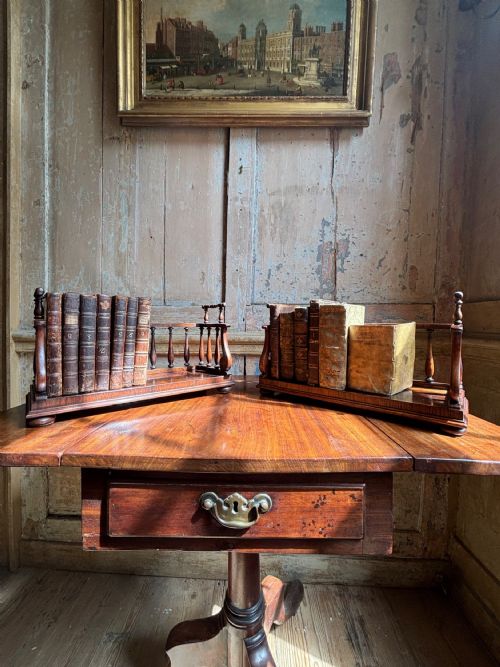
When you search for an antique book slide stand, you encounter extending library furniture and desk accessories designed to hold volumes upright. These pieces serve as practical desktop organisers that expand and contract to fit a row of books.
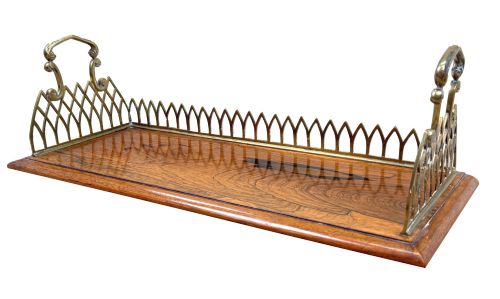
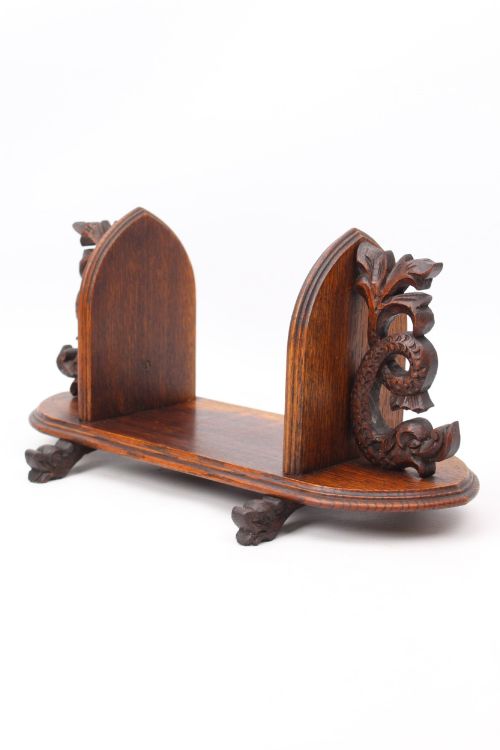
The versions most commonly met on this page date from the Victorian and Edwardian eras, spanning the nineteenth and early twentieth centuries. They appear in forms such as book stands, book troughs, and sliding bookends.
Origins range from English workshops to Anglo-Indian productions and Jerusalem souvenirs. Materials vary widely across these pieces, including dense hardwoods, mounted brass, and inlaid stone.
How they were made
Cabinet makers utilised dense timbers such as rosewood, walnut, burr walnut, mahogany, oak, and coromandel to construct the main framework. These woods were chosen for their stability and grain pattern.
Metal components, particularly brass mounts and extending mechanisms, were fitted to allow the sides to slide smoothly outward. Artisans also incorporated decorative elements like carved teak, painted plaques, pietra dura, and Tunbridge ware inlay.
Antique Book Slide Stand Retail Price Guide 2026
Typical asking prices for book slide stand among the pieces listed under this phrase on Sellingantiques today, from the lower quarter to the upper quarter. They describe what is for sale here now, not the wider market.
Listings feature woods including rosewood, walnut, oak, and coromandel, alongside brass mounts and inlaid stone.
What varies in quality
The standard of materials and complexity of decoration separate simpler desk accessories from finer library pieces. Solid, dense hardwoods and rich veneers indicate higher grade manufacture compared to plain utilitarian timber.
The precision of the extending mechanism and the quality of applied brass mounts or inlaid work determine the level of craftsmanship. Pieces featuring specialised patents or intricate surface decoration represent the upper tier of the range.
Gillows·Betjemanns
The Antique Book Slide Stand Glossary
- Book slide
- A desk accessory with expanding sides designed to hold a row of books securely upright. It adjusts in length to accommodate varying numbers of volumes.
- Pietra dura
- A method of inlaying cut and fitted polished coloured stones to form pictorial images. This technique appears on the decorative panels of specific Victorian stands.
- Tunbridge ware
- A form of woodwork featuring mosaic patterns created from tiny pieces of naturally coloured wood. It decorates the surface of specific nineteenth century book racks.
- Gothic Revival
- An architectural and decorative style drawing on medieval forms, featuring pointed arches and heavy timber. This aesthetic defines several Victorian pieces on the page.
- Brass mounted
- Furniture or accessories fitted with brass hinges, brackets, or mounts. This method reinforces corners and adds metallic contrast to the timber.
Antique Book Slide Stand: Frequently Asked Questions
Where were book slides used?
These accessories were primarily placed on library tables, writing desks, and occasional tables in nineteenth and early twentieth century homes. They kept reference books or favourite volumes close at hand without requiring a full bookcase.
They also appeared in offices and studies where working collections of texts needed to be contained neatly on a flat surface. Their portable nature allowed owners to move them between rooms as needed.
How do I date a book slide?
Dating relies on observing the primary timber used, the style of decoration, and the presence of any patent stamps or mechanical fixings. Victorian examples often feature heavy brass mounts and rich walnut or rosewood.
Edwardian and later pieces frequently utilise lighter oak or simplified forms. Examining construction techniques beneath the base helps confirm the manufacturing period.
How do I care for antique wood?
Keep wooden book stands away from direct heat sources and strong sunlight to prevent the timber and veneers from drying out or splitting. Dust the surface regularly with a soft, dry cloth.
Occasional application of appropriate wax polish helps maintain the finish on hardwoods like mahogany and walnut. Avoid using harsh chemical cleaners that can damage decorative inlays or brass mounts.