

Antique Book Side Table
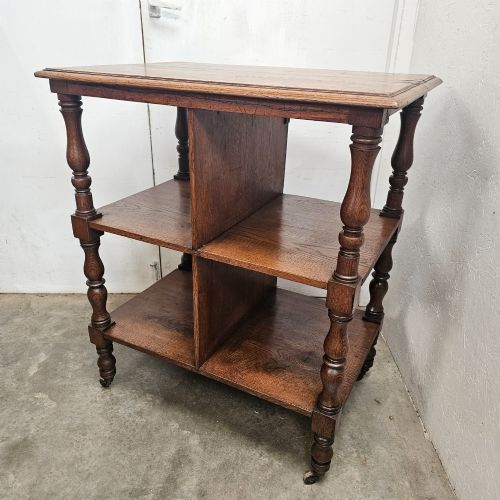
An antique book side table combines a sturdy surface for daily use with built-in storage for volumes, offering a practical centrepiece for any room.
Antique Book Side Table
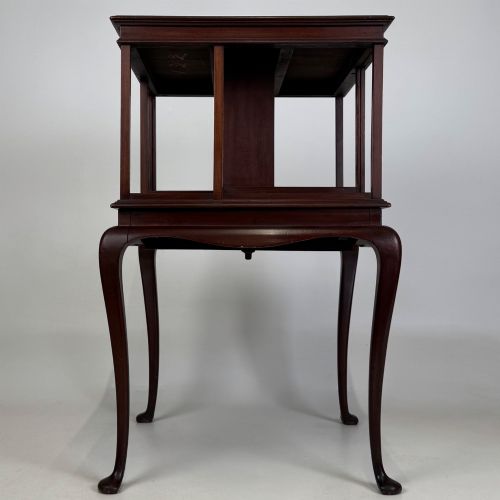
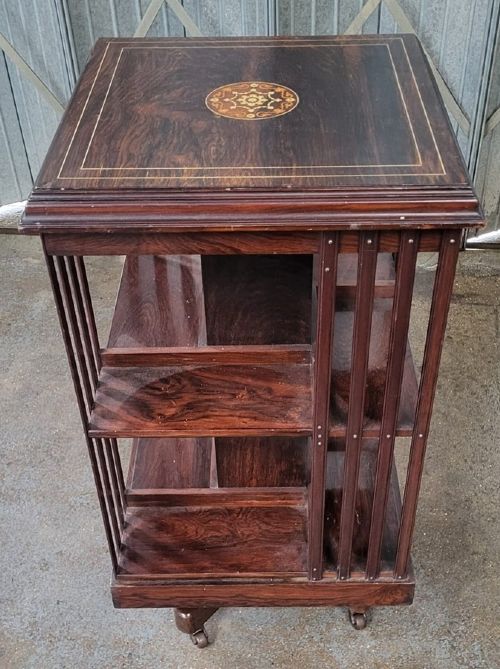
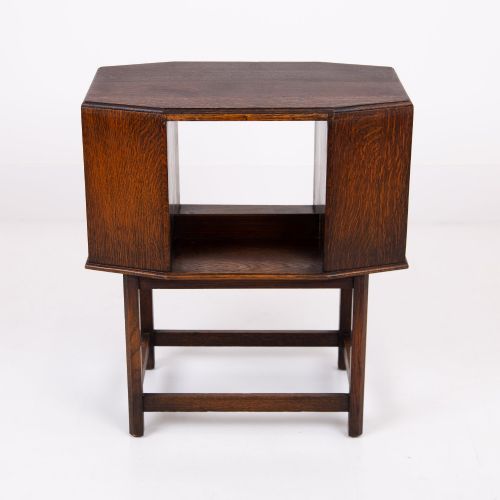
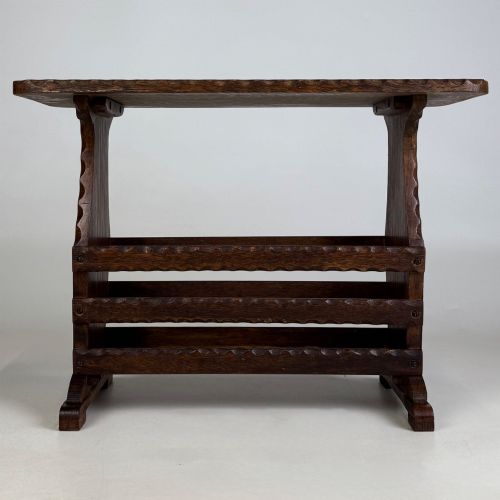
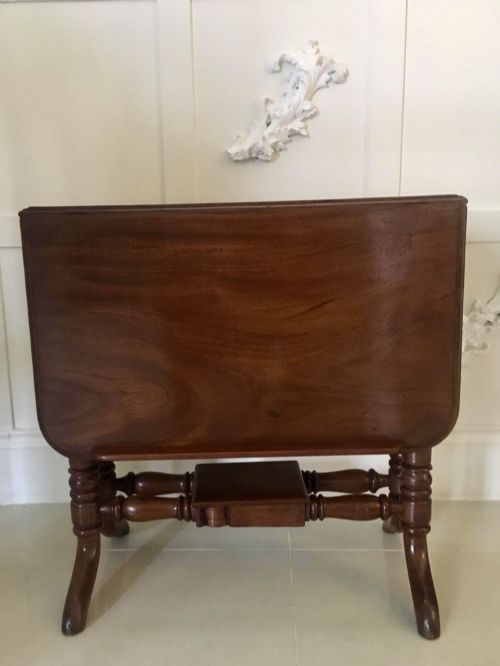
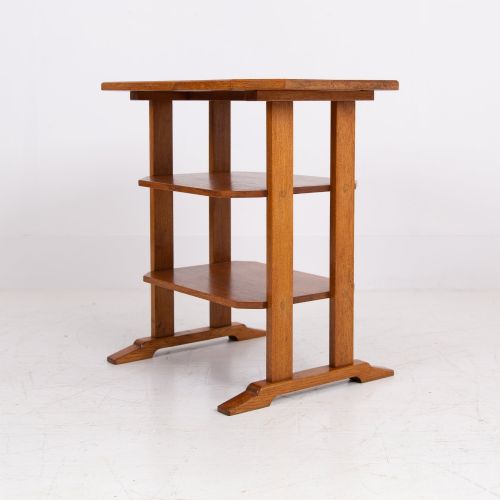
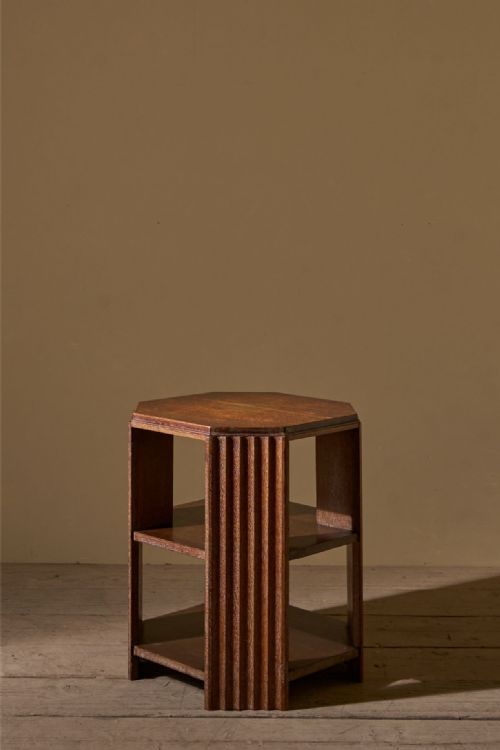
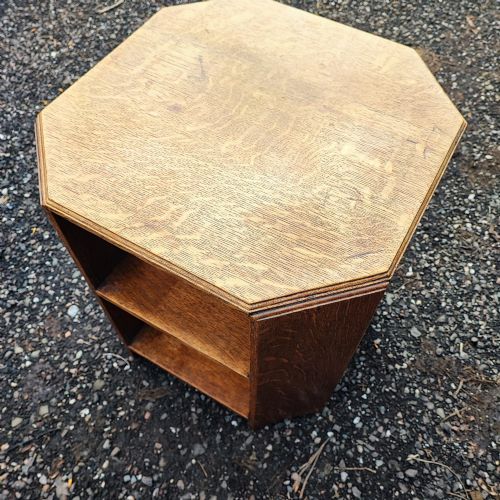
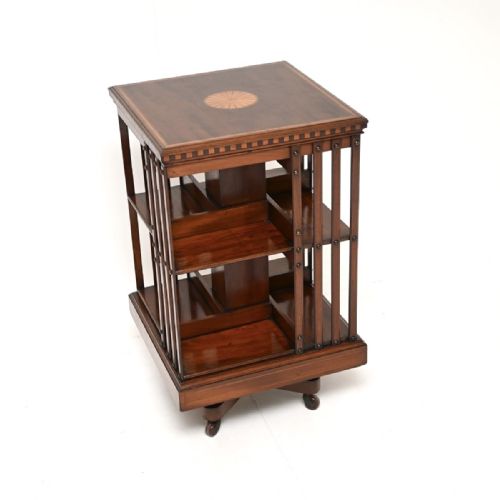
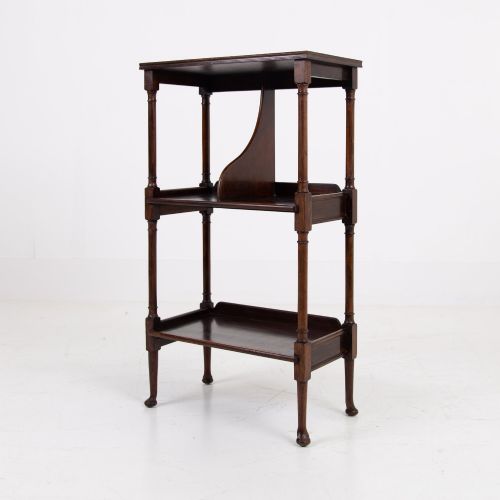
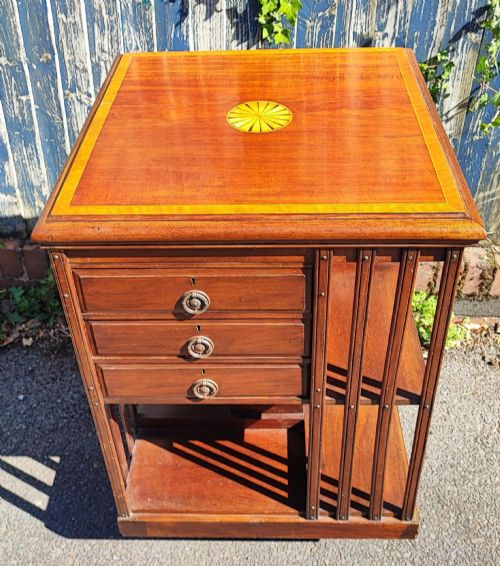
When searching for an antique book side table, buyers encounter a functional mix of occasional furniture designed to hold volumes alongside a standard tabletop surface. The forms span revolving bookcases, reading tables, tiers, and multi-shelf combinations made to fit compactly beside seating.
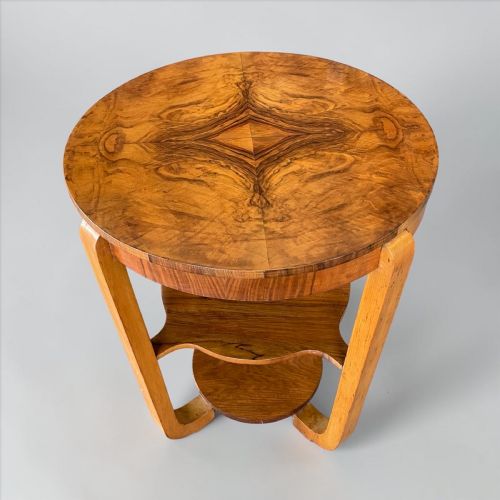
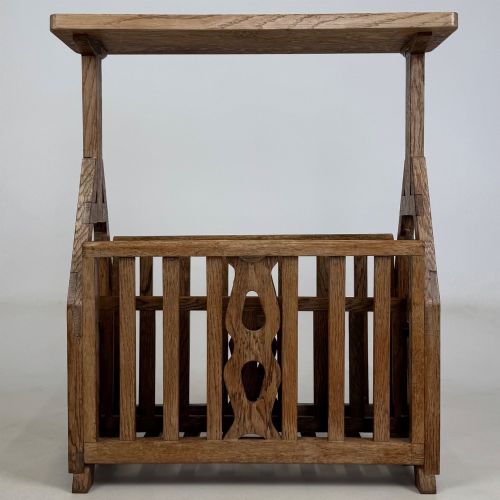
Edwardian and Victorian examples dominate the selection, often rendered in rich mahogany or oak, alongside occasional early twentieth-century pieces reflecting arts and crafts or art deco styles. These designs reflect a domestic demand for keeping reading material close at hand within domestic libraries and sitting rooms.
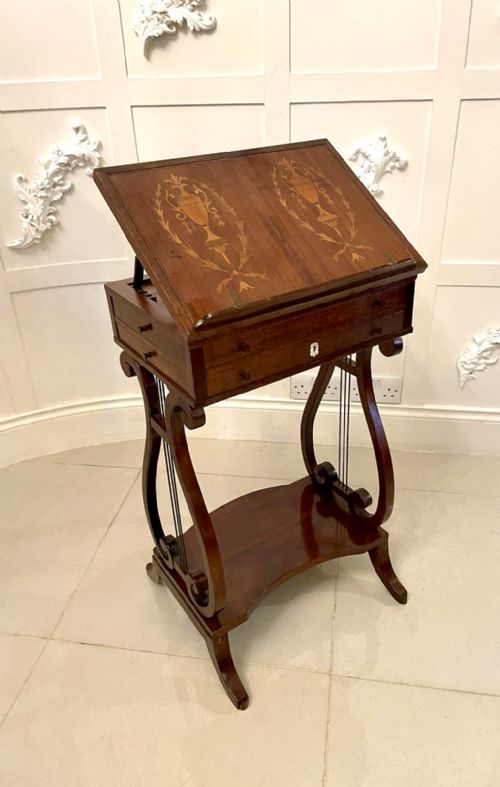
The category incorporates variations such as revolving bookcases, sutherland reading tables, and smaller tier-based étagères that serve both as side tables and functional book storage. Selecting the right piece depends on whether the preference leans towards stationary shelving or rotating accessibility.
Materials and construction methods
Makers relied heavily on solid hardwoods and dependable veneers, primarily selecting mahogany, oak, and walnut to ensure the structural integrity needed to support heavy volumes. Brass fittings, leather inserts, and occasional ormolu mounts provided functional reinforcement and decorative contrast.
Joinery techniques ranged from traditional hand-cut joints in nineteenth-century workshops to sturdier frames built during the Edwardian period, often incorporating inlaid satinwood or rosewood details. Revolving mechanisms utilised internal wooden or metal pivots to allow smooth rotation of tiered book compartments without wobbling.
Some reading tables feature adjustable brass ratchets designed to hold heavy Victorian folios at precisely the right angle for tired eyes.
Evaluating quality and craftsmanship
Quality rests upon the selection of timber and the precision of the joinery, particularly where moving parts or revolving shelves endure daily friction. Finely figured wood grains and delicate inlay work distinguish superior examples from plain utility pieces.
The integrity of the internal rotation mechanism or the stability of adjustable reading stands marks the distinction between standard workshop output and exceptional cabinetmaking.
Maple & Co·Carters Of London·Swann & Millican·Liberty's
The Antique Book Side Table Glossary
- Revolving bookcase
- A freestanding tiered shelving unit designed to spin on a central base for easy book access. These are frequently found in Edwardian mahogany or walnut.
- Sutherland table
- A narrow drop-leaf table with hinged flaps that fold down steeply, often adapted for reading or occasional use. They save space while offering surface area when opened.
- Étagère
- An open tiered piece of furniture used for displaying or storing books and small objects. These often feature multiple delicate shelves supported by slender columns.
- Marquetry
- Decorative veneer work created by fitting together small pieces of wood to form intricate pictorial designs. This technique frequently enhances the surfaces of Edwardian and Dutch tables.
- Whatnot
- A multi-shelved open cabinet used for books and ornaments. It appeared in various woods throughout the nineteenth century.
Antique Book Side Table: Frequently Asked Questions
What is a revolving book table?
A revolving book table is a compact furniture piece featuring tiered shelving designed to rotate smoothly on a central pivot base.
This design allows a reader to access multiple volumes easily from a seated position without moving the entire piece of furniture.
How were reading tables used?
Reading tables provided an adjustable or stable surface specifically designed for holding heavy folios, books, or writing materials in studies and libraries.
Many included mechanisms to alter the angle of the surface for comfortable reading.
How do I date an oak book table?
Dating an oak book table involves examining the grain, joinery style, and overall proportions relative to known decorative movements like Arts and Crafts or the Edwardian period.
Hardware choices and secondary woods also offer reliable clues to the era of manufacture.
Where should I place a side table with bookshelves?
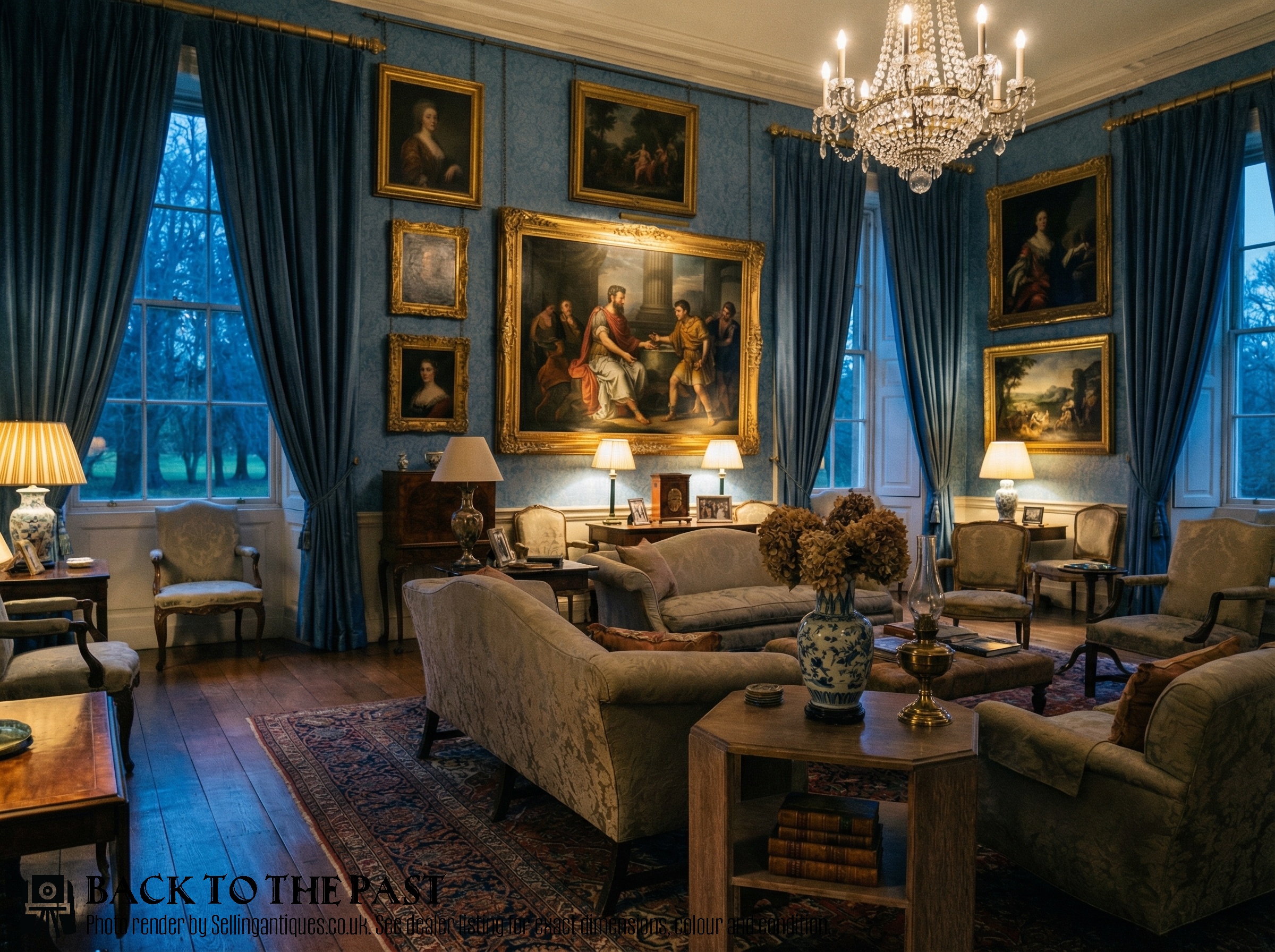
These tables fit naturally beside armchairs, sofas, or at the end of a bed where surface space and reading material are both required.
Their compact footprint allows them to serve narrow spaces efficiently.