
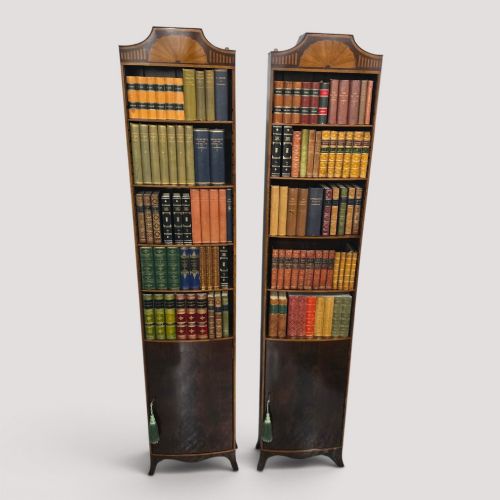
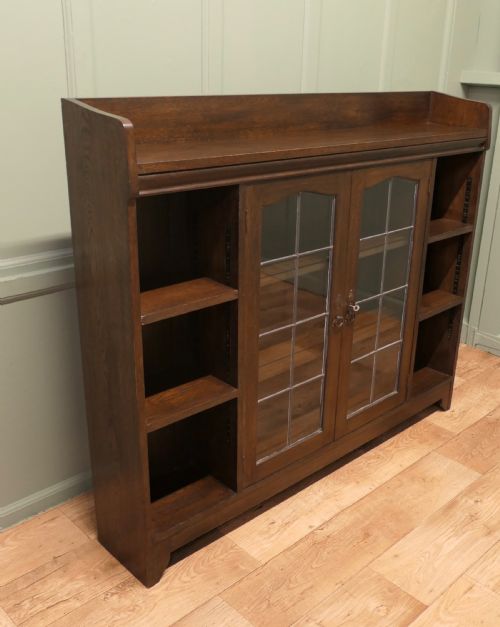
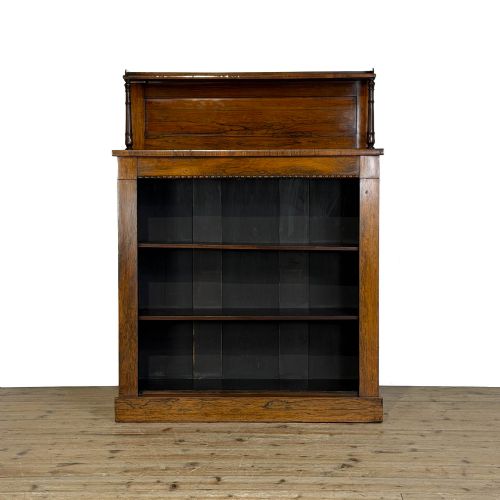
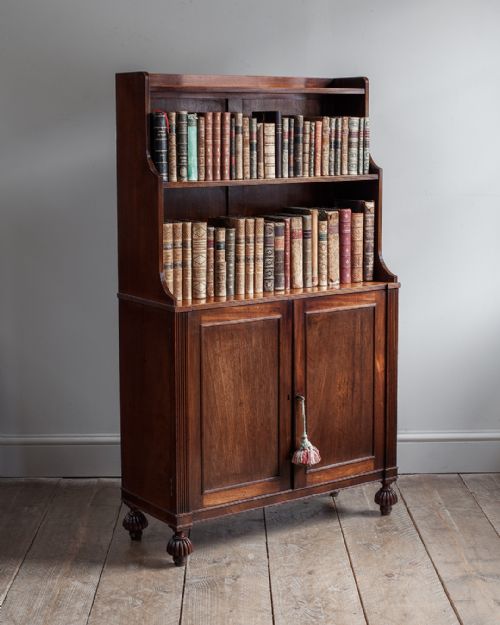

Antique Book Shelf Unit
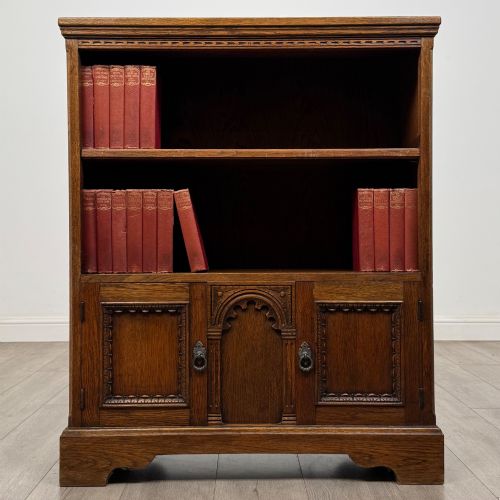
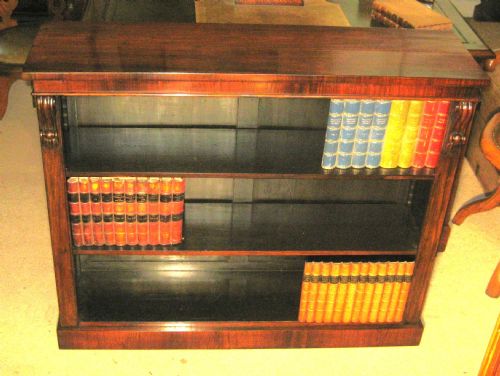
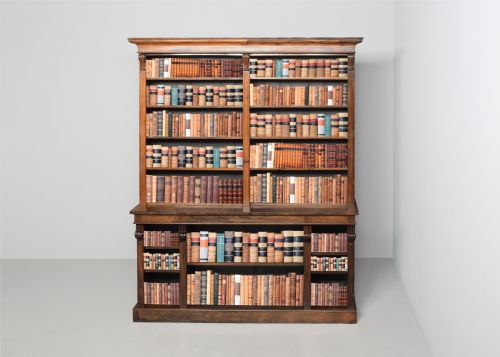
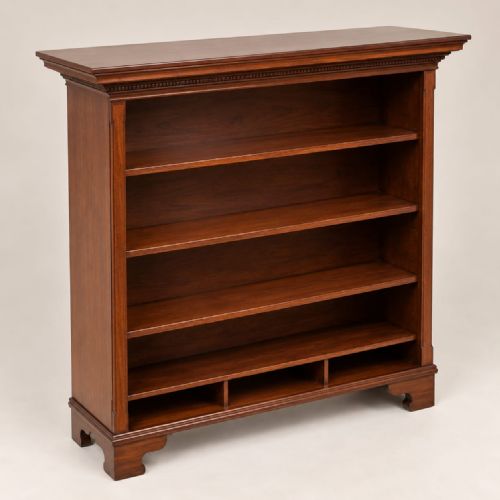
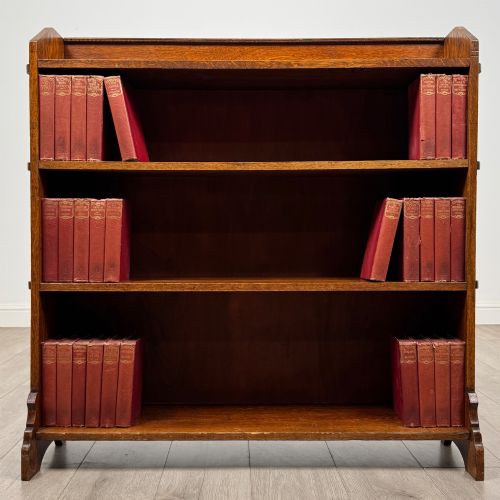
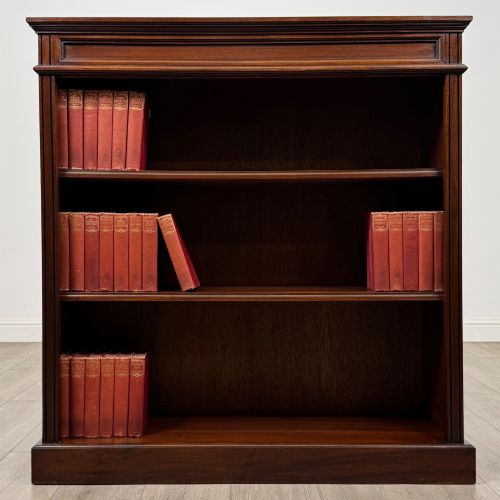
An antique book shelf unit brings timber warmth and open storage to a room, ranging from compact Edwardian oak pieces to grand Victorian mahogany bookcases.
Antique Book Shelf Unit
When you search for an antique book shelf unit, you encounter open bookcases, whatnots, etageres, and revolving bookcases designed to hold volumes and display small objects. The pieces span periods from the Regency era through the Victorian period, Edwardian years, and into the early twentieth century.
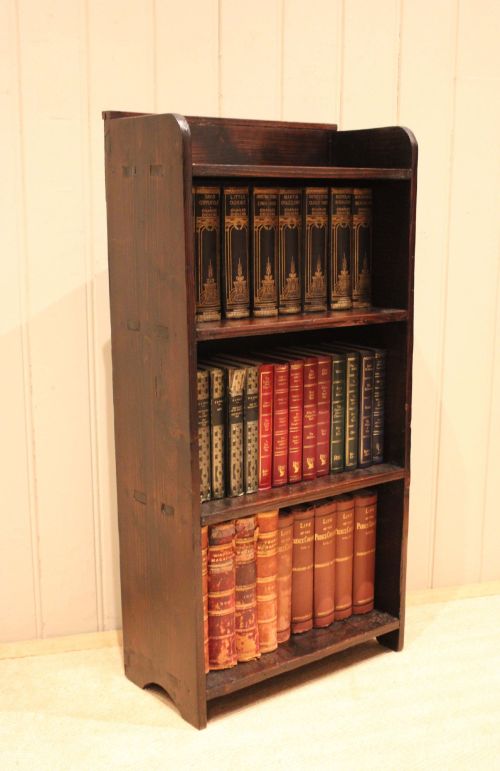
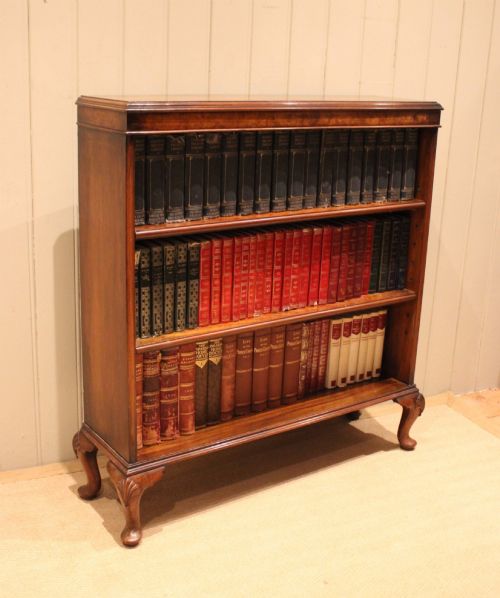
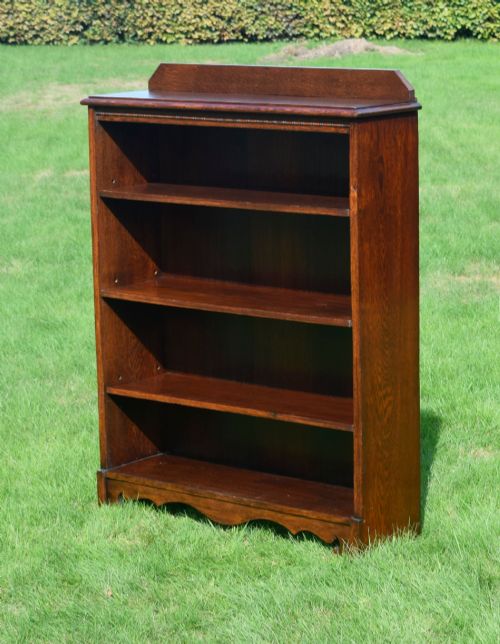
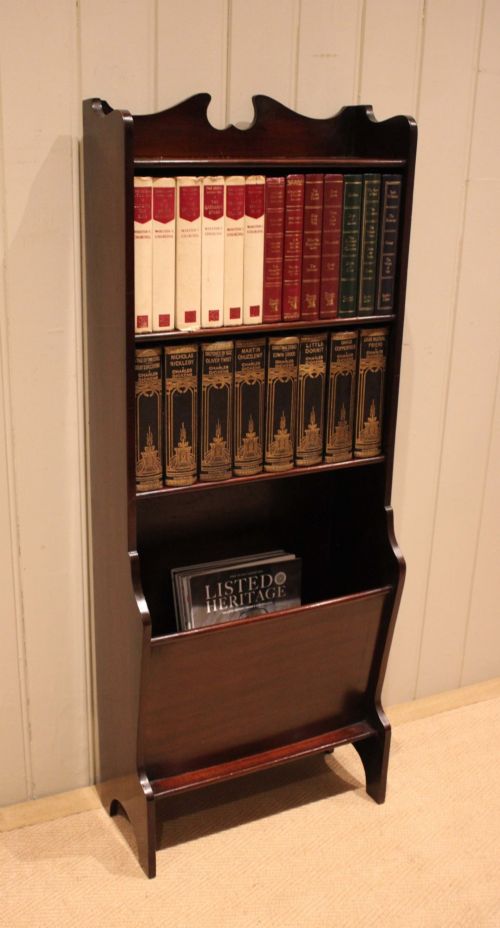
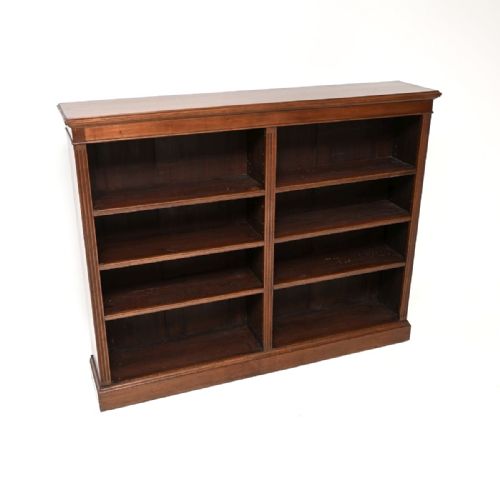
The version you meet most frequently on this page is the open bookcase, often constructed in oak or mahogany, standing freestanding against a wall with fixed or adjustable shelves. Alongside these are waterfall bookcases, revolving designs, and multi-tiered whatnots in walnut, rosewood, and pine.
How they were made
Cabinet makers constructed these units predominantly in solid timbers and veneers of oak, mahogany, walnut, and rosewood, occasionally incorporating brass fittings and carved details. Wood selection determined the visual weight of the furniture, from the dark grain of Victorian rosewood to the lighter tones of golden oak.
Joinery methods involved sturdy frame construction, dovetailed joints for stability, and adjustable shelf mechanisms utilising wooden supports or metal tracks. Surfaces received polish finishes that highlighted the natural figure of burr walnut or the simple grain of plain pine.
Listings span the Victorian, Regency, Edwardian, and Arts and Crafts periods, featuring oak, mahogany, walnut, rosewood, and pine.
What varies in quality
The distinction between standard utility furniture and superior examples lies in timber selection and the refinement of subsidiary details such as beaded edges, carved panels, or inlaid borders. Finer pieces employ figured veneers like burr walnut or dense rosewood, paired with thoughtful proportions.
Construction integrity also separates the grades, visible in the snugness of joints, the smooth operation of adjustable shelving, and the condition of the back panels. Pieces that retain their original polished surfaces and structural rigidity stand apart from altered examples.
The Antique Book Shelf Unit Glossary
- Waterfall bookcase
- A tiered shelving unit where each successive shelf steps back from the one below it, creating a cascading profile.
- Whatnot
- A multi-tiered open piece of furniture used for displaying ornaments, books, or small possessions, popular in the nineteenth century.
- Revolving bookcase
- A compact shelving unit mounted on a rotating base so books can be accessed from any angle with a gentle spin.
- Adjustable shelves
- Shelves that can be moved up or down to accommodate books of varying heights, often supported by movable pins or tracks.
- Breakfront
- A large cabinet or bookcase where the central section projects forward from the flanking outer sections.
Antique Book Shelf Unit: Frequently Asked Questions
How do I date an open bookcase?
Dating relies on timber choices, construction techniques, and stylistic clues. Earlier nineteenth-century examples often feature dense mahogany or rosewood, while Edwardian pieces frequently utilise oak.
Hardware, screw types, and the presence of hand-cut joints versus machine-made components provide further confirmation of the manufacturing decade.
Are shelves usually adjustable on these?
Many Victorian and Edwardian bookcases include adjustable shelves to accommodate volumes of different heights. Supporting mechanisms range from simple wooden battens to later metal pin systems.
Fixed shelves remain common in smaller rustic pieces and specific regional forms from the early twentieth century.
How do I care for antique wood?
Maintain timber surfaces by keeping pieces away from direct heat sources and strong sunlight, which can dry out polishes and fade rosewood or mahogany. Regular dusting with a soft, dry cloth prevents grime accumulation.
Occasional application of appropriate wax preserves the sheen without building up heavy residues.