

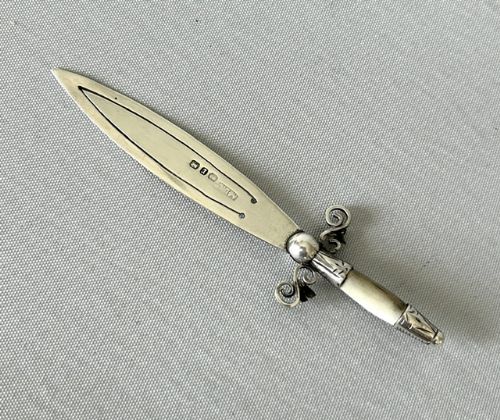


Antique Book Page Marker
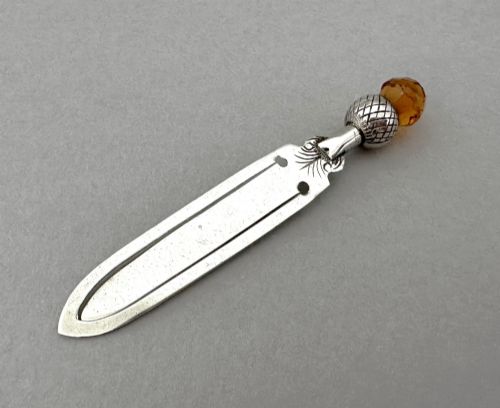
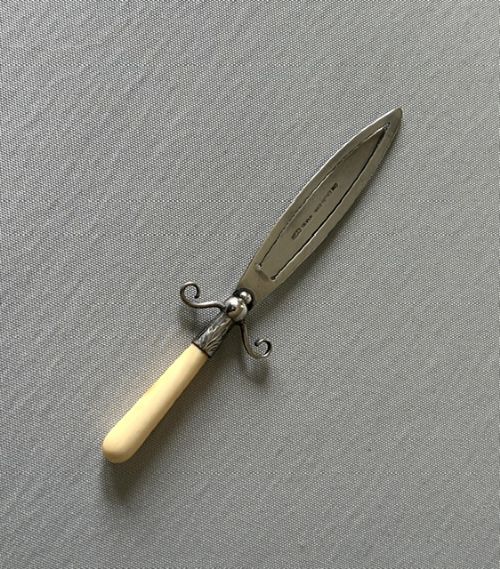
These antique book page markers are small, characterful silver and gemstone tools designed to hold your place in a volume.
Antique Book Page Marker
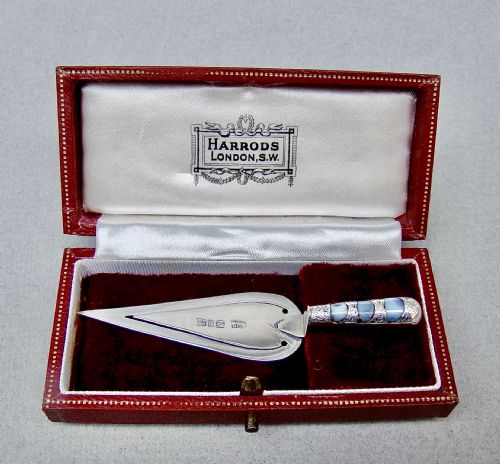
The most common version you are likely to meet on this page is the silver trowel bookmark, often incorporating decorative handles made from mother of pearl or banded agate. These objects combine practical utility with the ornamental detail characteristic of late nineteenth and early twentieth century desk wares.
How they were made
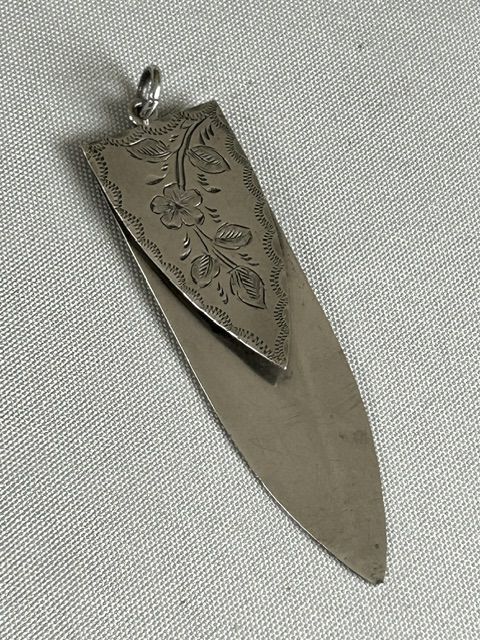
Silversmiths shaped sterling silver into miniature trowel blades and novelty animal figures, often applying hand engraving to add texture and pattern. Assay office marks stamped into the metal record the year and town of manufacture.
Handle sections utilise natural materials such as mother of pearl and banded agate, cut and polished to fit securely against the silver shafts. Some examples integrate textile elements like leather and velvet within fitted presentation cases.
Antique Book Page Marker Retail Price Guide 2026
Typical asking prices for book page marker among the pieces listed under this phrase on Sellingantiques today, from the lower quarter to the upper quarter. They describe what is for sale here now, not the wider market.
Someone carved a tiny silver teddy bear to hold your page.
What varies in quality
Quality rests in the crispness of the metal engraving and the structural join between the silver blade and the handle. Better examples retain sharp detail on the trowel edges and secure settings for inset stones.
Unusual novelty forms and pieces retaining their original fitted cases command greater interest from collectors. The choice of decorative mineral, such as banded agate rather than plain pearl, elevates the distinction of the object.
Joseph Moore·Crisford & Norris
The Antique Book Page Marker Glossary
- Trowel bookmark
- A page marker fashioned in the exact shape of a miniature garden trowel, which was the dominant novelty form for reading accessories during the late Victorian period.
- Sterling silver
- A standard alloy of silver containing ninety-two point five percent pure silver by mass, universally utilised across British desk accessories of this era.
- Mother of pearl
- An iridescent internal layer of shells used by makers to form smooth, tactile handles for metal bookmarks.
- Banded agate
- A natural chalcedony quartz displaying distinct parallel colour bands, polished into cabochons for decorative handles.
- Page turner
- A larger handheld desk accessory designed for gliding through uncut paper leaves, sharing materials with smaller bookmarks.
Antique Book Page Marker: Frequently Asked Questions
What materials make up these bookmarks?
These items are constructed predominantly from sterling silver paired with natural handles of mother of pearl or banded agate. Some examples also incorporate leather and velvet within fitted presentation boxes.
Metal components frequently feature engraved decoration alongside British assay office hallmarks denoting the year of creation.
How were antique page markers used?
Readers placed the flat silver blade of the marker between the pages of a book to hold their place without folding the paper corners. Miniature trowel and dagger shapes allowed the tool to slide easily between bound leaves.
Desk accessories of this kind sat alongside page turners and paper knives as standard writing table equipment during the Victorian period.
How do I care for silver and stone?
Silver surfaces benefit from gentle cleaning with a soft cloth to manage natural tarnishing without removing engraved details. Natural stones like agate and mother of pearl require dry storage away from moisture.
Keeping items in dedicated cases helps protect the delicate joins between the metal shafts and the fitted handles.
How can I tell the age?
Assay office marks stamped directly onto the sterling silver provide exact dates and towns of origin for pieces bearing British hallmarks. Stylistic clues such as Victorian engraving patterns also indicate the manufacturing era.
Novelty animal motifs and specific mineral choices help narrow down whether a piece belongs to the Victorian or Edwardian periods.