





Antique Book Box
These antique book box examples disguise secrets and hold treasures, offering clever storage that bridges literature and craftsmanship.
Antique Book Box
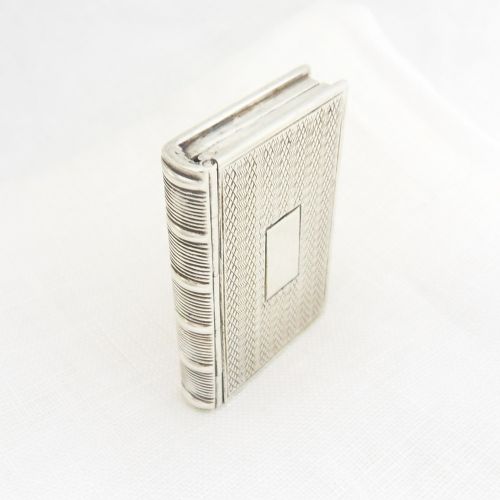
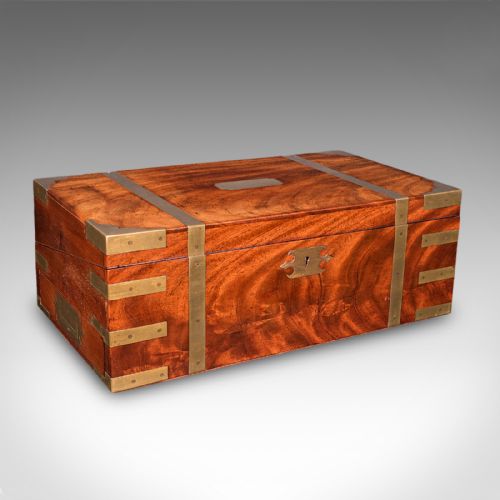
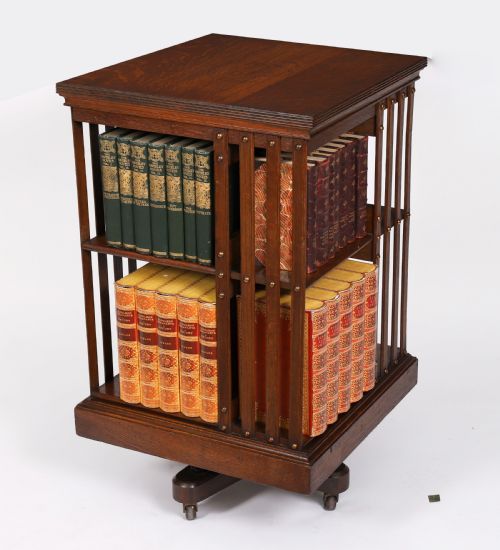
When searching for an antique book box, collectors encounter objects shaped like volumes or designed to hold texts, spanning periods from the Georgian era through to the mid-twentieth century. The selection ranges from literal book-form containers to small desks, revolving cases, and secret safes styled as literature.
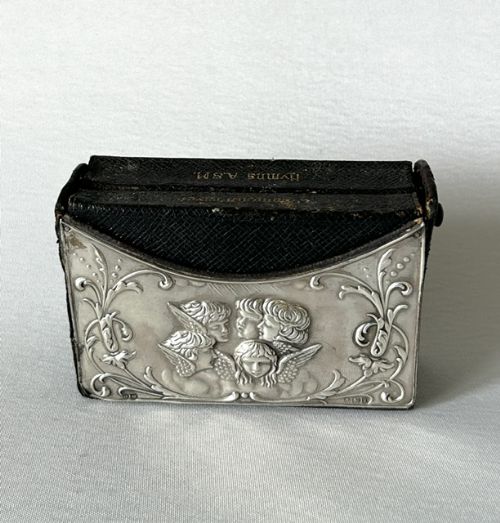
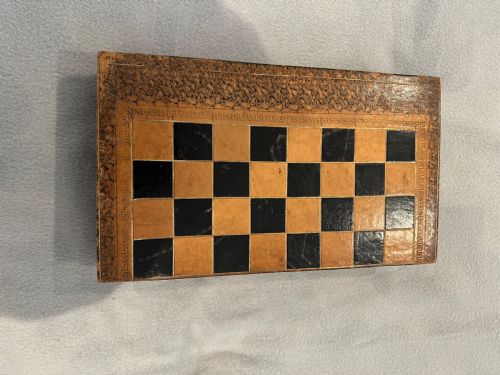
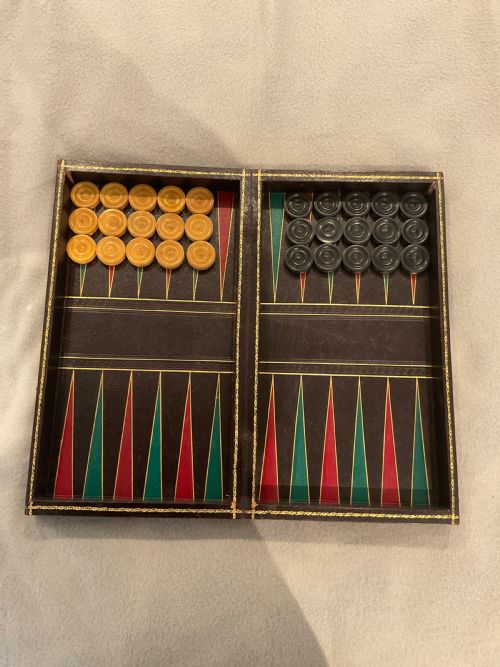
Leather, wood, and metal dominate the forms seen here, often mimicking real bindings or housing actual devotional volumes and games boards. Buyers are most likely to meet Victorian leather-bound faux book items, wooden receptacles, and silver pieces modelled precisely on volumes.
How they were made
Makers utilised traditional woodworking and metalworking techniques, shaping mahogany, walnut, oak, and olive wood into rigid covers and compartments. Leather tooling, gold leaf application, and brass mounts provided the convincing appearance of real book spines and boards.
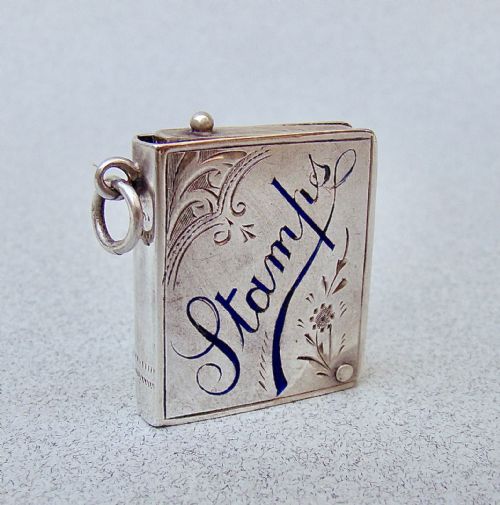
Silversmiths constructed small container items using sterling silver and gold leaf, employing precise hinges and clasps to secure miniature contents like stamps, vinaigrettes, and prayer books.
Antique Book Box Retail Price Guide 2026
Typical asking prices for book box among the pieces listed under this phrase on Sellingantiques today, from the lower quarter to the upper quarter. They describe what is for sale here now, not the wider market.
Listings feature materials spanning leather, brass, gold leaf, mahogany, sterling silver, walnut, and paper across multiple centuries.
What varies in quality
The standard of execution in tooling and joinery separates basic items from exceptional pieces, particularly in how convincingly leather mimics aged paper and leather bindings. Finer examples display meticulous hand-carving, crisp gold leaf tooling, and heavy, secure brass or silver mountings.
Materials also dictate the tier of the piece, with solid exotic woods, precious metals, and intricate straw work or inlay sitting above simpler wooden carcasses and pressed metal tins.
Taylor and Perry·Crisford and Norris·Alexander James Strachan·Huntley and Palmers
The Antique Book Box Glossary
- Faux book
- An object constructed to resemble a bound volume, often concealing a cavity for games, cards, or safe storage inside. These items deceive the eye by utilising spine ribs and marbled page edges.
- Vinaigrette
- A small ornamental box featuring an internal pierced grille, designed to hold a sponge soaked in aromatic vinegar. These silver pieces often took the shape of miniature books.
- Secret safe
- A locking container disguised as literature or everyday objects to hide valuables from view. They rely on concealed mechanisms or straightforward faux book exteriors.
- Cheveret
- A small freestanding table featuring a writing shelf and a tiered superstructure for books and papers. Originating in the eighteenth century, it serves as a mobile desk accessory.
- Writing slope
- A portable slant-topped box designed to hold writing materials, correspondence, and paper. Interiors typically fold out to provide a sloped writing surface.
Antique Book Box: Frequently Asked Questions
What fits inside an antique book box?
These receptacles held a variety of small personal items, from playing cards and chess pieces to stamps, devotional books, and snuff. Interiors were tailored to the specific utility of the owner.
Some accommodated writing implements and correspondence, while others served strictly as secret compartments for coins, jewellery, or tobacco.
How are wooden and leather versions dated?
Dating relies on observing the timber species, construction methods, and the style of the tooling applied to the leather exterior. Georgian and Victorian pieces display different joinery techniques compared to Edwardian or Art Deco iterations.
Hardware such as brass hinges, locks, and silver hallmarks also provide firm chronological markers for specific items.
Were these items meant for travel?
Certain variations, such as campaign writing slopes and pocket-sized cheroot or stamp cases, were built for portability during journeys. Others remained stationary on desks, tables, and library shelves.
Larger revolving bookcases and sewing tables stayed fixed in domestic rooms as permanent pieces of furniture.