



Antique Bone China Figures
Antique bone china figures bring domestic interiors of the nineteenth and twentieth centuries to life through delicate portrayals of human and animal forms.
Antique Bone China Figures
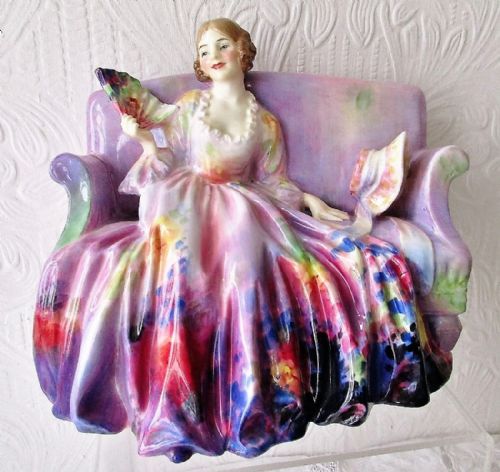
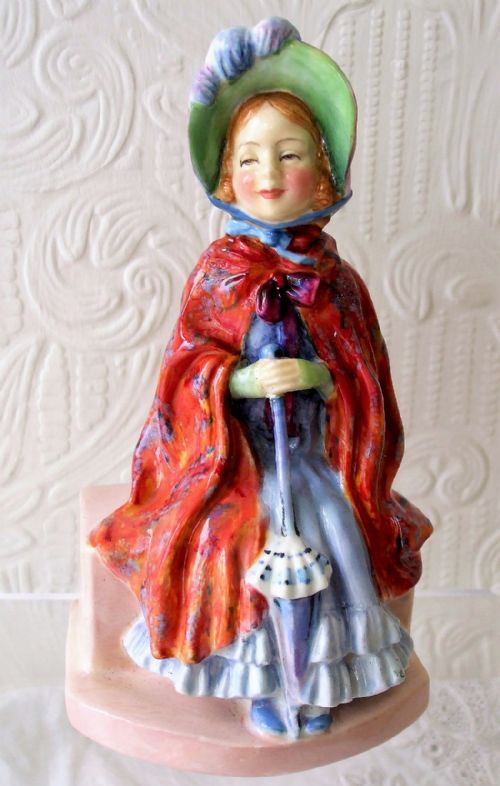
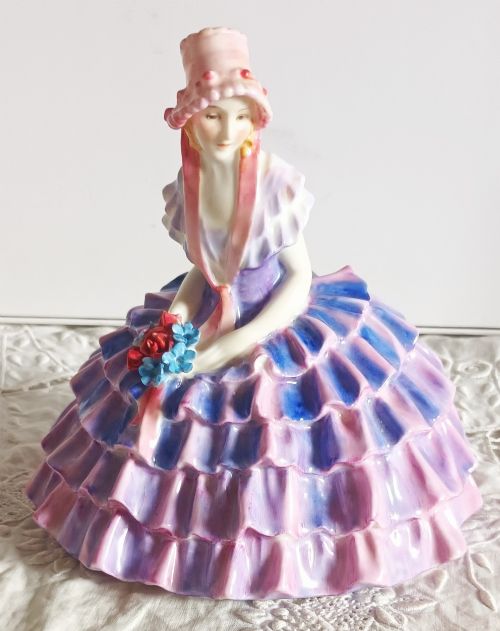
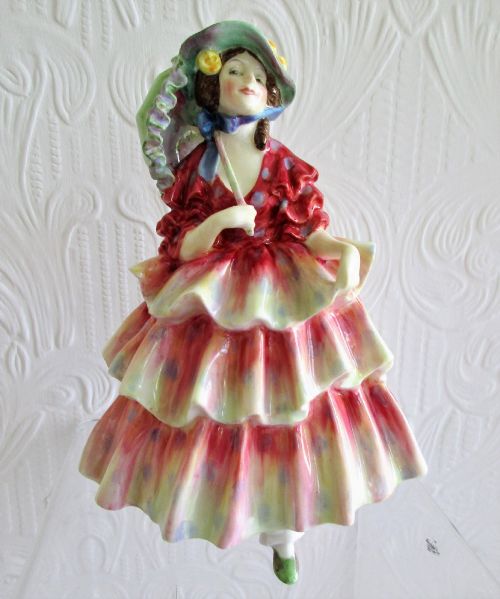
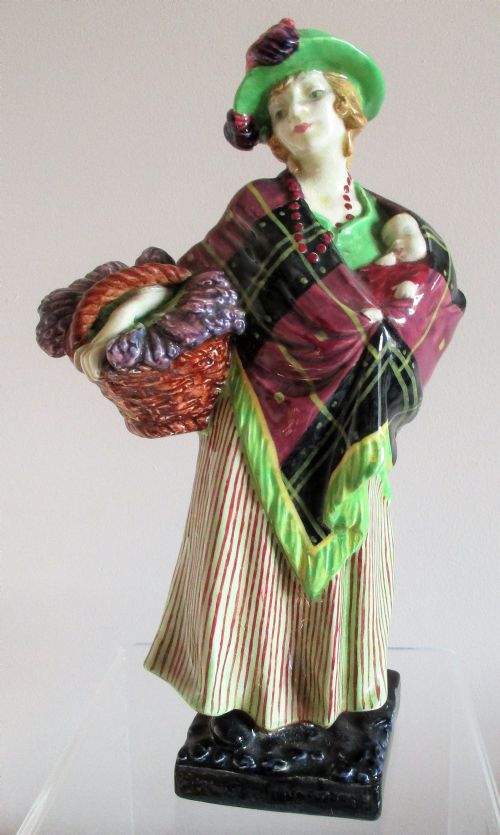
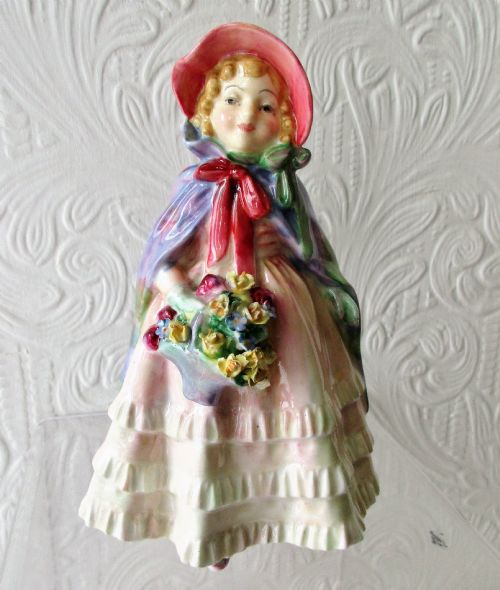
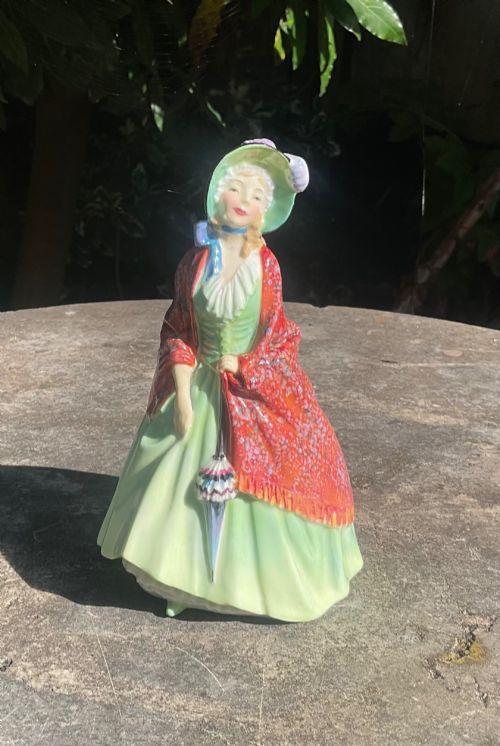
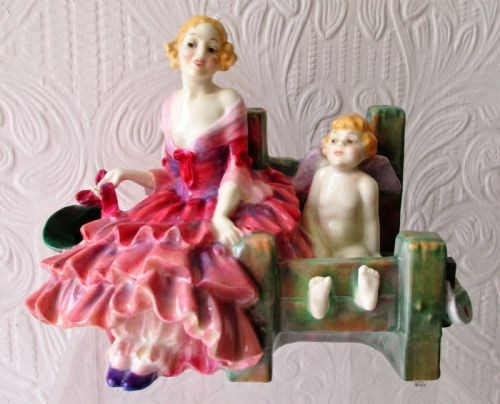
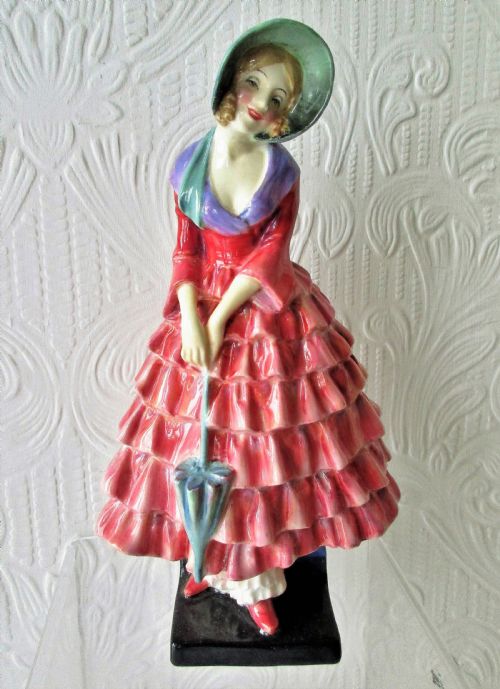
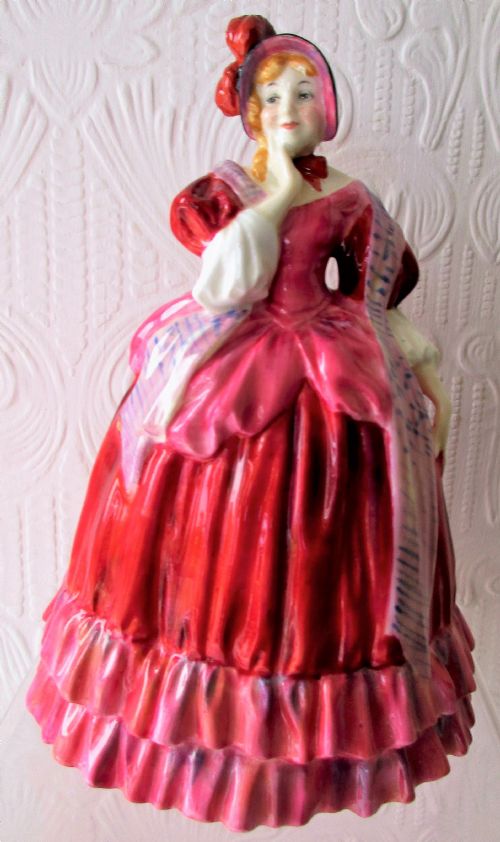
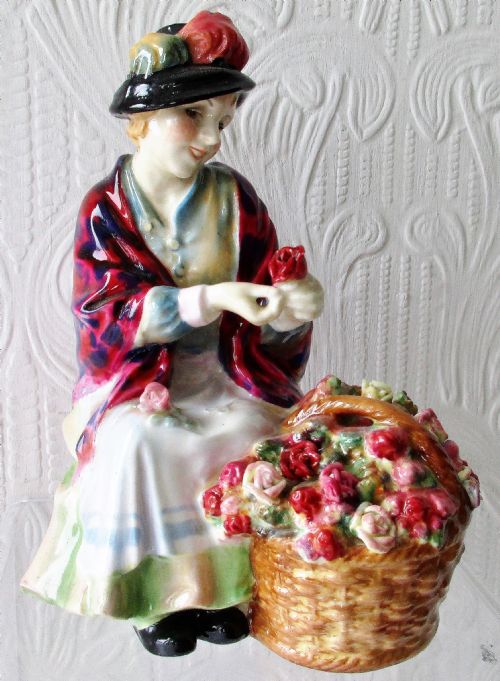
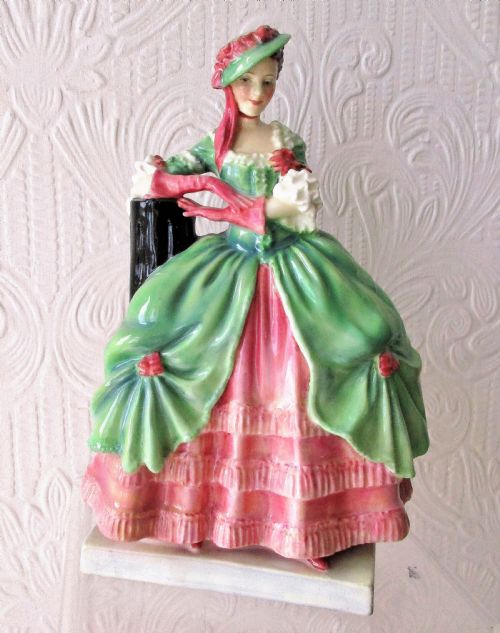
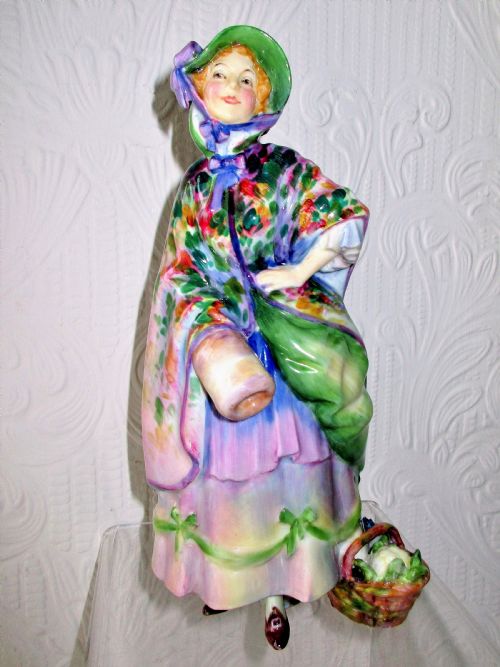
When buyers search for antique bone china figures, they encounter a range of sculptural ceramics spanning the nineteenth and twentieth centuries. These pieces encompass decorative figurines, statuettes, and functional candle snuffers produced by established British potteries.
The selections available here lean heavily toward twentieth-century production, particularly Art Deco and Edwardian examples featuring named characters and detailed clothing. Earlier nineteenth-century representations, such as Minton figures of gardeners or gun dogs, appear alongside these later works.
Materials and methods
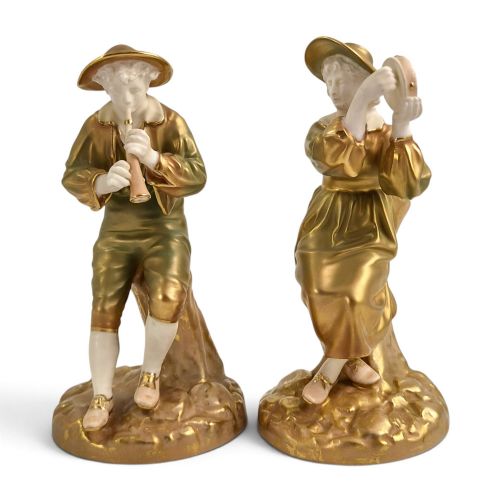
Techniques evolved from nineteenth-century hand-finished modelling to the refined casting and painting methods seen in twentieth-century factories. Gilt and gilding details were added by hand before final firing to secure the metallic finish.
Antique Bone China Figures Retail Price Guide 2026
Typical asking prices for bone china figures among the pieces listed under this phrase on Sellingantiques today, from the lower quarter to the upper quarter. They describe what is for sale here now, not the wider market.
Materials recorded across the selection include bone china, porcelain, glaze, enamel, gilt, and gold leaf.
Judging the work
Quality in these sculptural ceramics rests upon the sharpness of the moulding and the delicacy of the hand-painted enamel work. Finer examples display precise facial expressions and crisp folds in drapery that separate them from simpler production.
The application of gilding and the smoothness of the glaze also indicate the standard of craftsmanship. Superior pieces retain clear registration marks and retain the intended nuance of the original modeller's design.
Royal Doulton·Royal Worcester·Minton
The Antique Bone China Figures Glossary
- Bone china
- A type of soft-paste porcelain incorporating bone ash, known for its strength and slightly warm tone. It allowed nineteenth and twentieth-century makers to cast thinner, more refined walls than standard earthenware.
- Gilding
- The application of gold leaf or powdered gold onto the surface of a figure. It highlights decorative borders, accessories, and clothing details with a metallic sheen.
- Figurine
- A small, three-dimensional sculptural representation of a human or animal figure. In these listings, they typically depict named characters, ladies in period dress, or allegorical subjects.
Antique Bone China Figures: Frequently Asked Questions
What periods do these figures come from?
The pieces span from the nineteenth century through the Edwardian era and into the Art Deco period of the 1930s and 1940s. Each era brought distinct clothing styles and modelling techniques to the finished works.
Twentieth-century examples often bear specific model numbers and title names, whereas nineteenth-century pieces tend to rely on broader descriptions of subjects like gardeners or animals.
How were candle snuffers used?
Candle snuffers combined sculptural forms with a practical function, featuring a small cone or hood designed to extinguish candle flames safely without sending up smoke. Makers shaped them into figures and animals so they remained decorative ornaments when resting on a mantelpiece.
These functional pieces received the same detailed glaze and enamel painting as standard decorative statuettes.
How do I care for antique figures?
These ceramic and porcelain pieces require gentle dusting with a soft, dry brush to prevent the accumulation of dirt on delicate enamel and gilt surfaces. Water and chemical cleaners should be avoided to protect the integrity of the glaze and gold leaf.
Display them away from direct sunlight and areas prone to heavy temperature fluctuations to preserve the painted decoration.