






Antique Bone Artifact
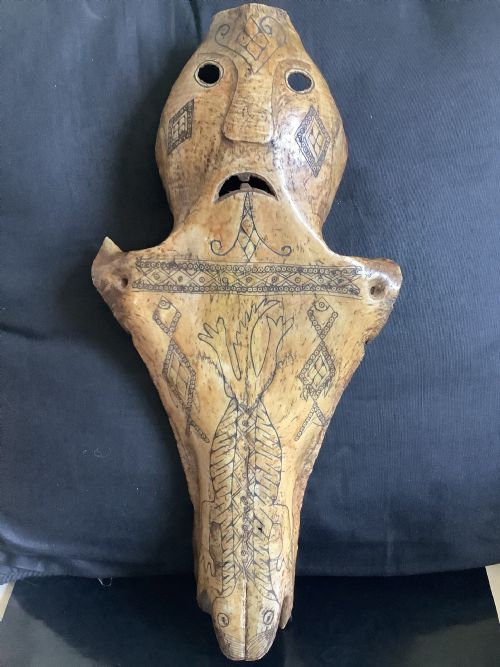
These antique bone artefact pieces are carved implements, pipes, and sculptures from the eighteenth and nineteenth centuries, offering a tangible link to global maritime, tribal, and domestic traditions.
Antique Bone Artifact
When you search for an antique bone artefact, you encounter a diverse array of objects spanning the eighteenth and nineteenth centuries, including maritime tools, tribal weapons, and smoking accessories. These items originate from British, Chinese, African, and Inuit makers, reflecting practical domestic use alongside ceremonial and sculptural traditions.
The most common forms on this page are carved pipes, functional seam rubbers, and regional sculptures fashioned from bone, antler, and whalebone. Each piece serves as a physical record of historic craftsmanship across disparate cultures and maritime contexts.
How they were made
Maker techniques rely upon carving and shaping dense organic materials such as bone, antler, and whalebone, often augmented with metal studs, brass wire, and pigment for functional reinforcement or decoration. Artisans shaped these robust materials using hand tools to achieve both utilitarian edges and intricate figurative detail.
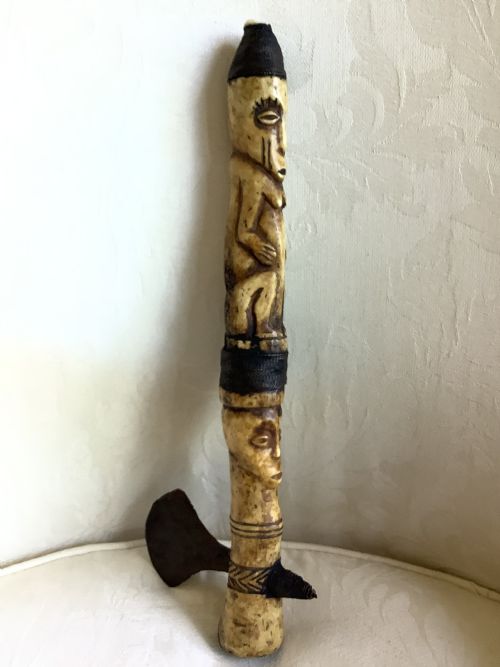
Many objects combine bone with secondary elements like wood, particularly in pipes and club handles, securing the components with traditional fixings. This mixed-media construction ensures structural stability while accommodating the natural curves of the raw bone.
Sail makers relied on bone rubbers to flatten canvas seams without scorching the cloth.
What varies in quality
Quality rests in the crispness of the carving and the preservation of the raw material's natural surface texture over centuries of handling. Finer examples display deliberate, controlled incisions and secure assembly of mixed media elements.
The integrity of the original material surface distinguishes superior pieces from heavily worn or compromised items. Depth of cultural detail, such as specific figurative iconography on pipes or statues, elevates the overall standing of an artefact.
The Antique Bone Artifact Glossary
- Whalebone
- Material sourced from the baleen or bone of whales, utilised historically by maritime and indigenous carvers to produce durable implements and sculptures.
- Seam rubber
- A smooth, heavy tool traditionally used by sail makers to flatten and crease canvas seams during maritime construction.
- Antler
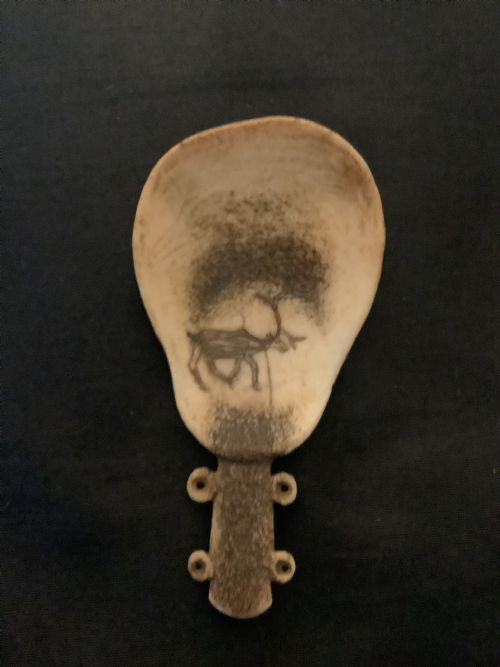
- Hard cranial appendage material from cervids, employed by tribal carvers as a tough alternative to standard bone for tools and spoons.
- Pigment
- Coloured substance applied to carved surfaces to highlight incisions and decorative motifs on tribal and ceremonial objects.
Antique Bone Artifact: Frequently Asked Questions
What is an antique bone artifact?
An antique bone artefact is a historic object fashioned from skeletal material, typically dating from the eighteenth or nineteenth century.
These pieces range from functional maritime tools and smoking pipes to ceremonial sculptures and tribal weapons.
How do I care for bone items?
Bone objects require stable indoor humidity and protection from direct sunlight to prevent drying and cracking.
Keep surfaces clean with a dry, soft cloth and avoid chemical cleaning agents entirely.
What materials are used?
Objects feature carved bone, whalebone, and antler, frequently combined with wood, brass wire, and metal studs.
Some pieces incorporate pigment to accentuate carved details and designs.
How are different cultures represented?
The listings encompass Inuit, African tribal, Chinese, and European maritime traditions from the nineteenth century.
Each regional group utilises distinct forms, such as carved opium pipes or whale statues, reflecting local materials and methods.