



18th Century Bone
These 18th century bone pieces unite utilitarian function and intricate carving across practical vessels and decorative works.
18th Century Bone
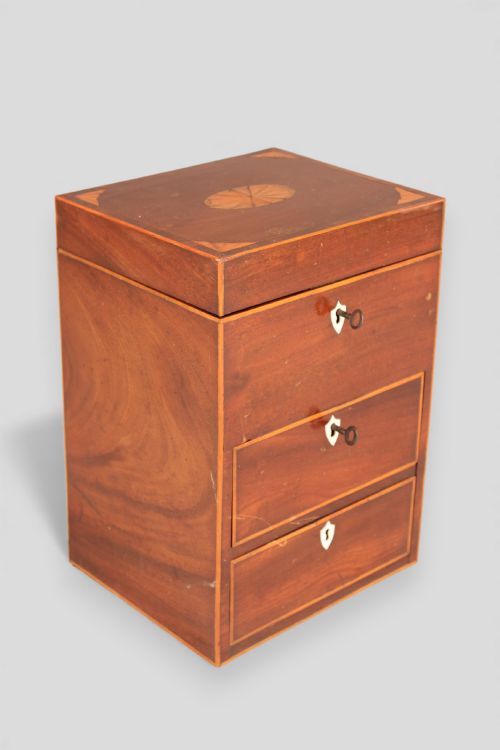
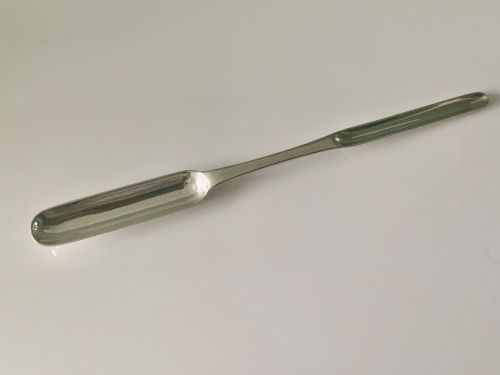
Buyers seeking 18th century bone encounter a diverse range of objects spanning practical utensils, weaponry, and miniature art from Georgian Britain and continental Europe. This collection encompasses small domestic implements like marrow scoops alongside detailed sculptural works, powder flasks, and inlaid furniture elements.
The objects appearing in these listings stretch from utilitarian maritime tools such as whalebone fids and seam rubbers to refined enamel portraits and inlaid boxes. Surviving examples reflect both European folk traditions and distant trade routes, connecting everyday survival with skilled craftsmanship.
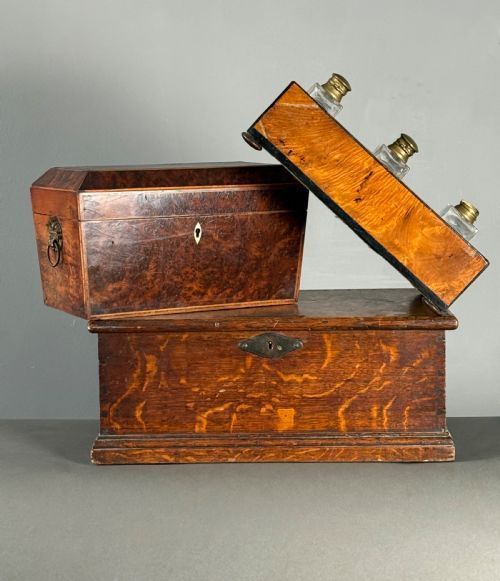
While the broad category includes various organic materials and wooden pieces decorated with bone details, the core focus remains on items utilising bone, stag horn, or whalebone. These materials served both structural and decorative purposes, shaping items meant to endure daily use or display.
Materials and construction
Makers utilised dense mammalian bone, whalebone, and stag horn alongside hardwoods like mahogany, walnut, and partridge wood. These organic substances were shaped using saws, files, and drills before receiving smooth surface finishes.
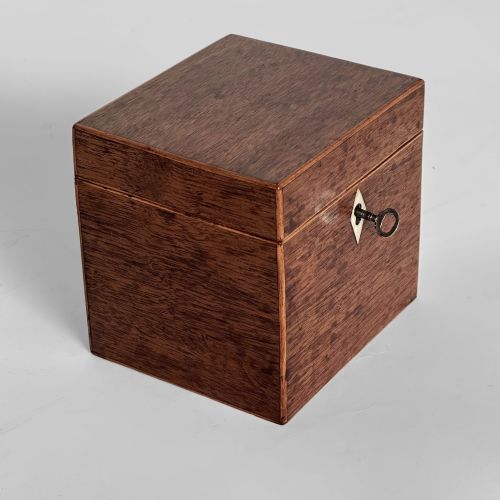
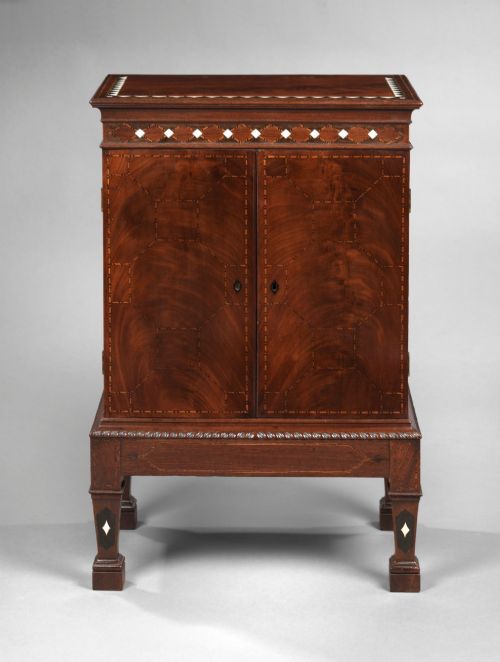
Surface ornamentation relied on techniques such as intricate scrimshaw decoration, relief carving, and contrasting inlay work using brass or mother of pearl. Artisans embedded thin sections of bone into wood surfaces to create geometric patterns or pictorial highlights.
Someone carved a pair of erotic Kama Sutra panels from bone in eighteenth-century Orissa, proving that domestic art had its wild moments.
Assessing craftsmanship
Quality separates through the precision of the carving and the stability of the underlying material. Finer pieces demonstrate confident, deep relief work and well-fitted inlay that remains flush with surrounding timber.
The proportion and handling of the natural material dictate the visual success of an object. Superior examples preserve the integrity of the bone or horn without splitting, showing considered alignment with the grain and structure of the original medium.
Henry Bone ARA
The 18th Century Bone Glossary
- Scrimshaw
- The technique of carving or engraving whalebone or whale ivory, often highlighted with dark pigment to make the design legible. Sailors and folk artists practiced this craft during long voyages at sea.
- Marrow scoop
- A narrow, double-ended spoon designed for extracting marrow from animal bones. Georgian examples often appear in silver or bone.
- Fid
- A conical wooden or whalebone tool used by sailors to untie knots or splice rope. These utilitarian objects show heavy wear from maritime labour.
- Herringbone inlay
- A decorative woodworking pattern arranged in a V-shape resembling the skeleton of a herring. This border technique appears frequently on period chests of drawers and tea caddies.
- Pesh Kabz
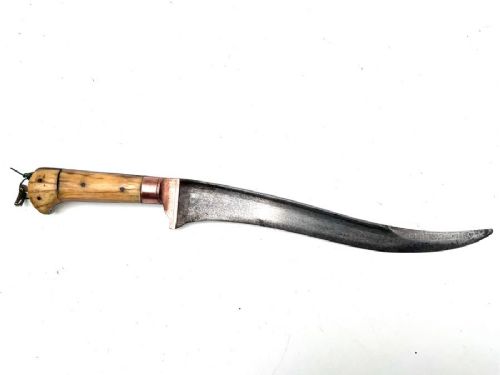
- A type of Indo-Persian dagger featuring a T-section spine and grip scales riveted to the tang. Handles on these blades frequently incorporate bone or ivory plates.
18th Century Bone: Frequently Asked Questions
What is whalebone and how does it differ from animal bone?
Whalebone refers to baleen, a flexible keratin filtering material taken from the mouths of certain whales rather than skeletal bone. It possesses unique pliable qualities that allowed makers to shape it under heat for maritime tools.
Skeletal animal bone, by contrast, is a rigid calcium phosphate material harvested from cattle or deer. It remains stiff, brittle, and well-suited for flat carving, knife handles, and inlay work.
How were prisoner of war objects made?
Detained soldiers and sailors during eighteenth-century conflicts carved intricate items from available scraps of bone, horn, and wood. They utilised improvised tools fashioned from nails and wire to produce items like spoons and decorative boxes.
These pieces often carry precise dates and patriotic motifs reflecting the maker's circumstances. Their survival demonstrates remarkable resourcefulness under confinement.
What distinguishes scrimshaw from standard bone carving?
Scrimshaw specifically denotes engraving or carving applied to marine mammal materials like whalebone or teeth, typically rubbed with dark ink to reveal the lines. It developed primarily as a maritime pastime aboard whaling vessels.
Standard bone carving encompasses terrestrial animal bone worked by land-based artisans, cabinetmakers, and folk carvers. It relies on relief work and piercing rather than surface engraving filled with pigment.
How do you care for antique bone objects?
Organic materials like bone and ivory react strongly to fluctuations in relative humidity and temperature. Keeping objects away from direct sunlight and artificial heat sources prevents drying and cracking.
Dusting should be performed gently with a dry, soft brush without applying liquid cleaners or oils. Bone absorbs moisture readily, which can alter its colour and weaken old adhesives.