





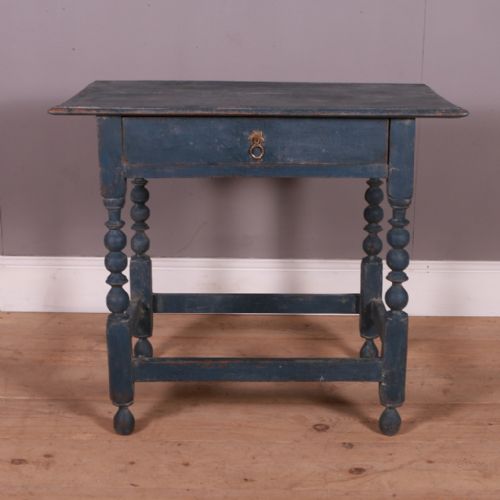

Antique Blue Wooden Drawers
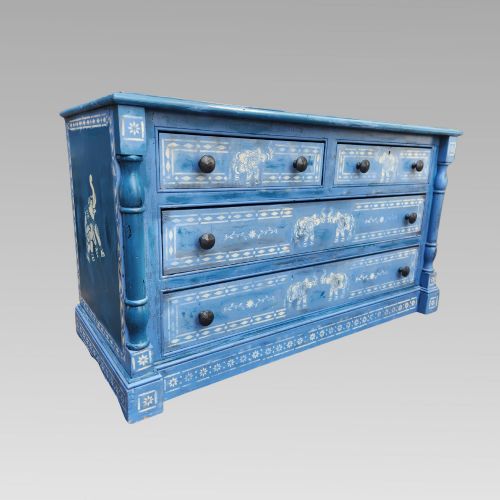
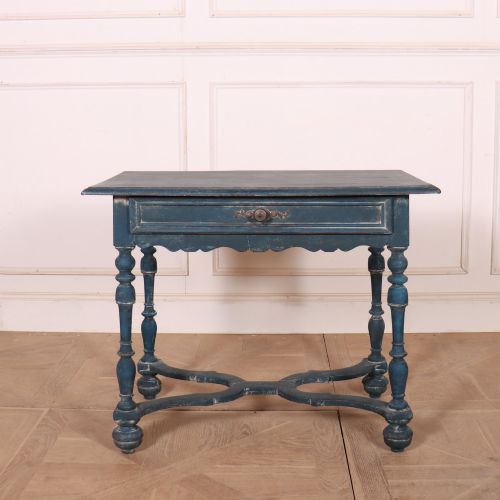
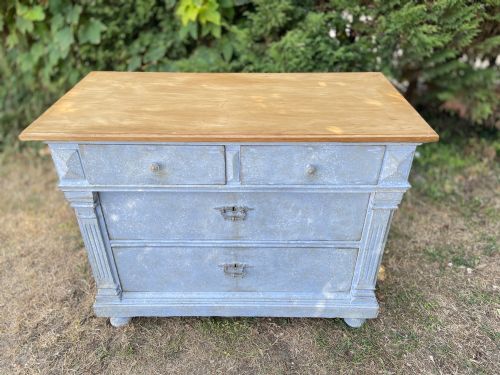
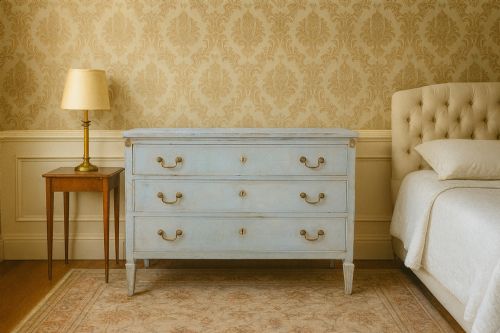
Antique blue wooden drawers bring painted colour and character into a room, offering practical storage through pieces rooted in Georgian, Victorian, and continental traditions.
Antique Blue Wooden Drawers
When searching for antique blue wooden drawers, buyers encounter a diverse selection of storage forms that include chests of drawers, commodes, linen presses, and bedside cabinets. These pieces span several distinct periods, reaching from the mid-eighteenth century through the nineteenth century.
The aesthetic leans heavily towards regional and country traditions, featuring English country, Gustavian, French provincial, and colonial styles. Chests of drawers dominate the selection, often presenting painted surfaces applied over timber foundations.
Continental examples, particularly Swedish and Italian commodes, sit alongside English country pieces. Buyers find both formal neoclassical commodes and simpler pine or oak drawer units.
How they were made
Joinery relies primarily on timber such as pine, oak, and general wood substrates, assembled using traditional techniques appropriate to each period. Structural integrity comes from solid framing and drawer construction tailored to daily use.
Surfaces receive paint layers, often historic or original, which define the visual character of the pieces. Metal elements like brass provide hardware for pulls and handles, complementing the timber and paint work.
Antique Blue Wooden Drawers Retail Price Guide 2026
Typical asking prices for blue wooden drawers among the pieces listed under this phrase on Sellingantiques today, from the lower quarter to the upper quarter. They describe what is for sale here now, not the wider market.
Cabinetmakers occasionally hid spice cupboards inside larger furniture forms to keep valuable kitchen commodities secure from light-fingered staff.
What varies in quality
The standard of a piece rests upon the crispness of its original form and the preservation of its painted finish. Pieces originating from recognised design traditions or specific regional workshops exhibit superior proportion and detailing.
The integrity of the timber frame and the depth of the painted surface dictate the overall stature of the item. Finer examples maintain their original hardware and structural cohesion without excessive modern intervention.
The Antique Blue Wooden Drawers Glossary
- Commode
- A low cabinet or chest of drawers, often highly decorative and associated with eighteenth-century continental design. These pieces frequently feature serpentine fronts or specialised painted finishes.
- Gustavian
- The Swedish interpretation of French neoclassical style, characterised by restrained ornamentation and pale painted finishes. This style dates from the late eighteenth century.
- Linen Press
- A tall piece of furniture designed for storing textiles, typically combining upper cupboard doors with lower drawers. They form a substantial storage option in larger rooms.
- Bombe
- A swelling, convex furniture profile that curves outward toward the base, common in eighteenth-century Dutch and continental design. This silhouette requires advanced cabinetmaking skill.
Antique Blue Wooden Drawers: Frequently Asked Questions
How do I care for painted wooden drawers?
Keep painted wooden furniture away from direct sunlight and sudden temperature changes to protect the surface finish.
Dust regularly with a dry, soft cloth and avoid chemical cleaning agents that might damage the paint.
Are these drawers suitable for daily use?
Most antique chests and commodes function well for everyday storage when handled with reasonable care.
Drawers should be opened evenly and loaded with weight appropriate to their age and construction.
How can I tell the period of a commode?
Dating relies on examining construction methods, timber types, and the style of the hardware or paint.
Eighterenth-century pieces often show hand-cut joinery and specific regional silhouettes that differ from Victorian manufacturing.
What is the difference between English and continental pieces?
English country pieces generally feature simpler lines in pine or oak, focusing on utility and modest proportions.
Continental examples from Sweden, France, or Italy frequently display neoclassical motifs, curved serpentine fronts, and sophisticated painted schemes.