




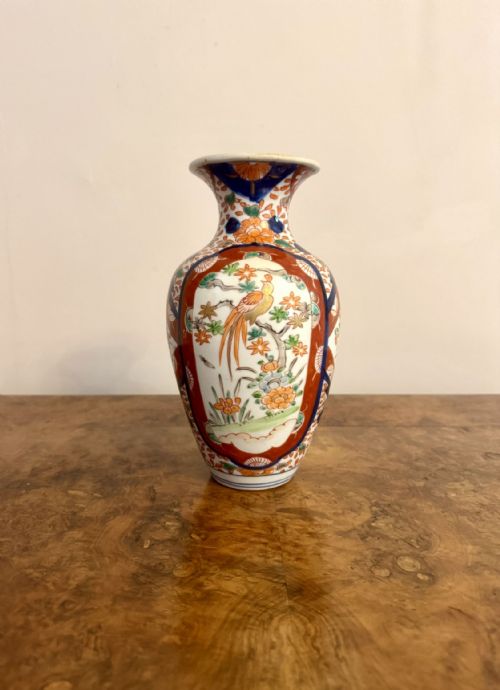
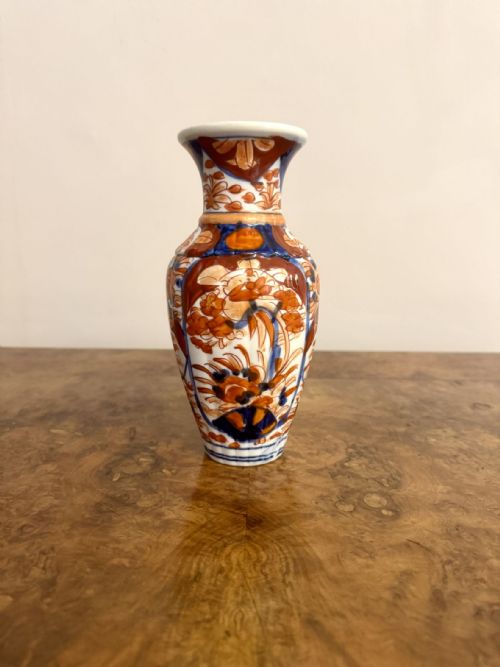
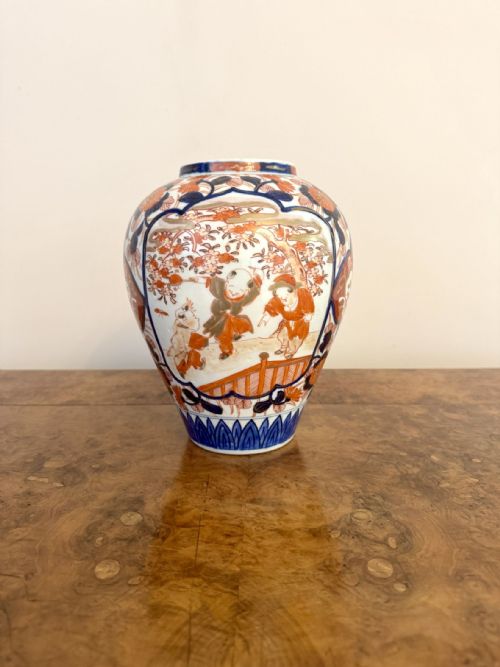


Antique Blue Red Jar
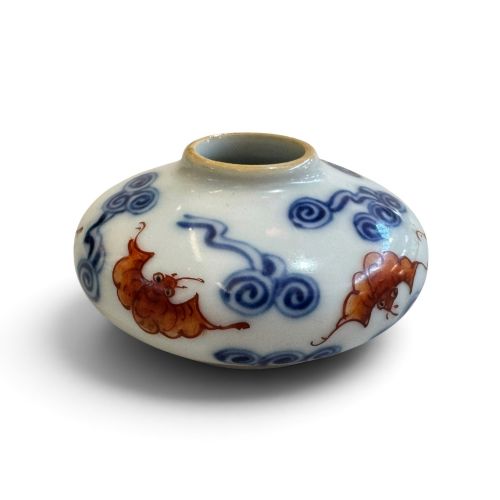
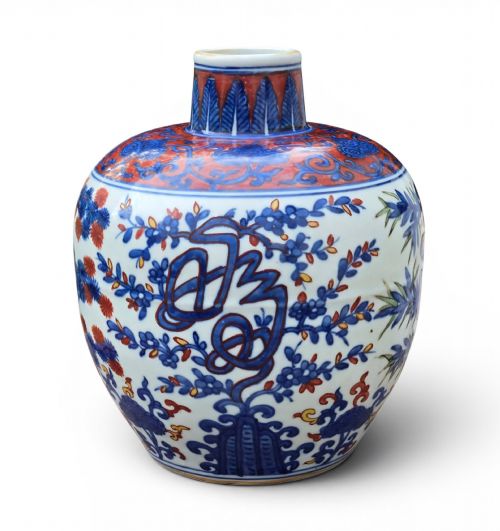
An antique blue red jar brings together rich cobalt tones and iron-red pigments on porcelain, offering a striking display of historic ceramic artistry.
Antique Blue Red Jar
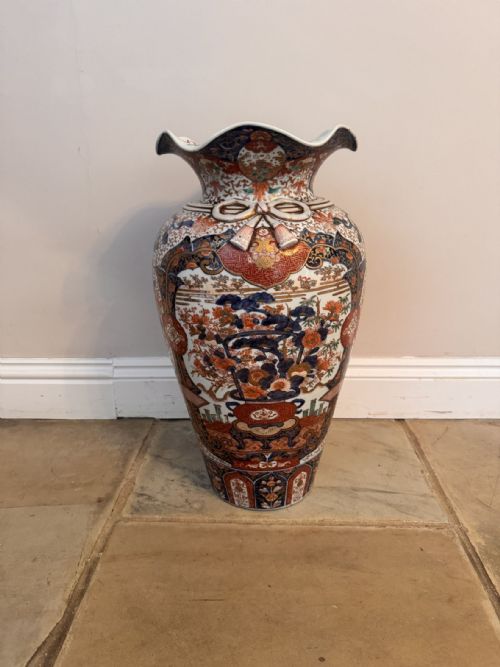
When searching for an antique blue red jar, buyers encounter a selection dominated by Japanese Imari porcelain alongside Chinese vessels from various dynasties. These items range from lidded ginger jars and double gourd vessels to large floor-standing floor vases and smaller scholars objects.
The periods represented span from the eighteenth century through the nineteenth century, extending into the Edwardian era and the Taisho-Showa period. Most examples originate from Japanese kilns in Arita or follow traditional Chinese porcelain designs utilising underglaze pigments and enamel finishes.
Vessels take many forms, including hexagonal shapes, fluted bodies, and covered pot pourri jars. Buyers frequently find pairs and garnitures intended for symmetrical display on mantelpieces or large spaces.
Materials and construction
Potters shaped these jars using fine porcelain clay bodies, applying cobalt glaze for blue underglaze decoration before firing. Artisans then added iron-red enamel and sometimes gold leaf, gilt, or gilding details during subsequent firing stages.
Techniques combine underglaze painting with overglaze enamel glazes to create contrasting textures and colours on the ceramic surface. Certain pieces incorporate specialised finishes such as blue flambé glaze or ironstone bodies.
Antique Blue Red Jar Retail Price Guide 2026
Typical asking prices for blue red jar among the pieces listed under this phrase on Sellingantiques today, from the lower quarter to the upper quarter. They describe what is for sale here now, not the wider market.
Listings feature porcelain vessels from the eighteenth, nineteenth, and early twentieth centuries, including Japanese Imari, Chinese Qing Dynasty pieces, and Edwardian interpretations.
Factors of quality
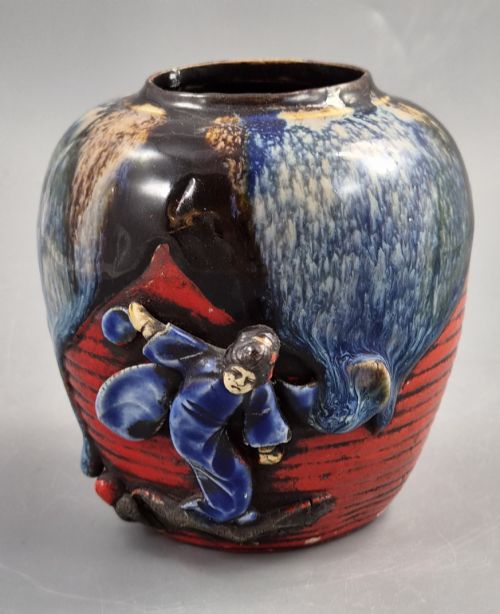
Quality rests upon the precision of the hand-painted decoration and the vibrancy of the cobalt and iron-red pigments. Stronger examples exhibit crisp detailing in patterns such as bats, clouds, bamboo, or figures, whereas simpler items show looser brushwork.
The condition of the glaze and any applied gilding influences the overall standard of the vessel. Intact covers on lidded jars and well-preserved enamel colours distinguish superior specimens from heavily worn or later replacement pieces.
The Antique Blue Red Jar Glossary
- Imari
- A style of Japanese porcelain originating from Arita, typically decorated in a palette of underglaze blue, iron-red, and gilt. This aesthetic gained immense popularity in Europe during the seventeenth and eighteenth centuries.
- Underglaze
- A method of decorating pottery beneath a clear glaze using pigments that withstand high firing temperatures. Cobalt blue is the most common underglaze colour found on these historic ceramics.
- Ginger jar
- A ceramic vessel characterised by a wide body, rounded shoulders, and a short neck, originally used for storing spices and herbs. Collectors prize these lidded jars for their balanced proportions.
- Garniture
- A set of three or more matching vases and jars designed to be displayed together on a mantelpiece or cabinet. These matching groups formed a key part of elite interior decoration.
- Enamel glaze
- An opaque or translucent vitreous composition applied over a fired and glazed ceramic body for a second, lower-temperature firing. Iron-red enamel provides the signature reddish hue on many traditional jars.
Antique Blue Red Jar: Frequently Asked Questions
How were these jars used originally?
Historic jars served both practical storage purposes for spices or dry goods and purely decorative functions in wealthy interiors. Many large covered vessels stood on tables or inside cabinets as status symbols.
Over time, owners repurposed lidded jars and pot pourri containers as ornamental centerpieces, while larger floor-standing pieces filled empty corners in grand reception rooms.
How do I clean an antique ceramic jar?
Dust the surface gently with a soft, dry brush to remove particles without disturbing delicate iron-red enamels or gilding. Avoid using liquid cleaners, abrasive cloths, or immersion in water.
If the piece requires deeper attention, consult a professional ceramic conservator to prevent accidental damage to fragile glazes and historical surfaces.
Are these jars waterproof?
Many antique porcelain and ironstone vessels hold water safely, but older manufacturing methods and hairline fractures can create risks. Testing an untested jar with liquid is generally discouraged.
If you wish to use a lidded jar or vase for fresh flowers, place a small, hidden glass container inside rather than pouring water directly into the antique ceramic body.
How can I tell an eighteenth-century jar from a nineteenth-century one?
Examination of the porcelain body, footrim finish, and pigment depth helps distinguish between production eras. Eighteenth-century pieces often display finer potting and softer, more integrated underglaze tones.
Nineteenth-century examples frequently feature heavier iron-red enamels, brighter gilding, and crisper transfer or brush details reflecting larger-scale export production in Japan and China.