



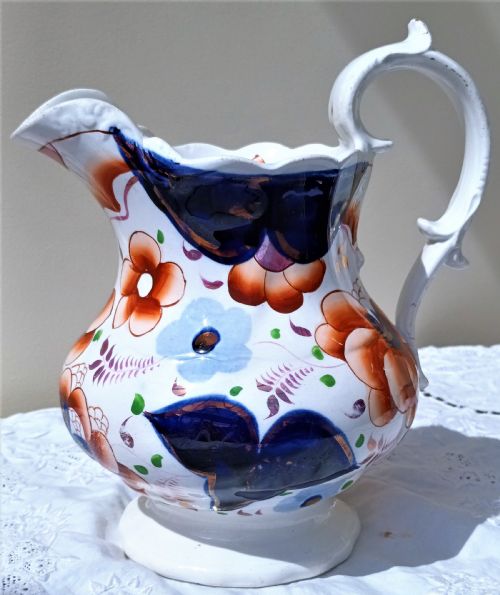
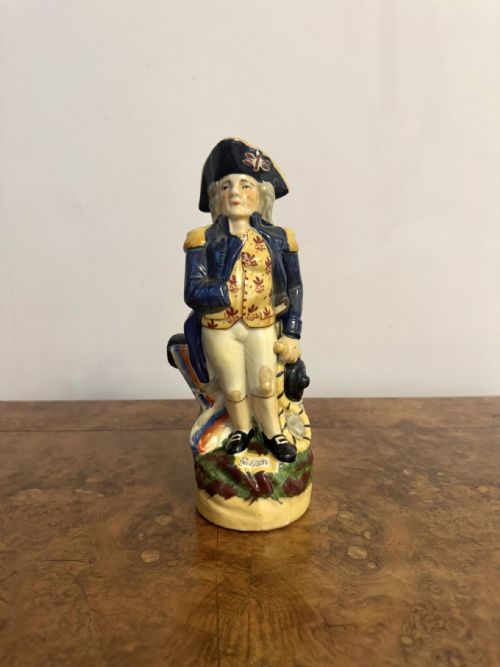
Antique Blue Pottery Jug
These pieces combine utility and display, offering an antique blue pottery jug for everyday service or collector cabinets.
Antique Blue Pottery Jug
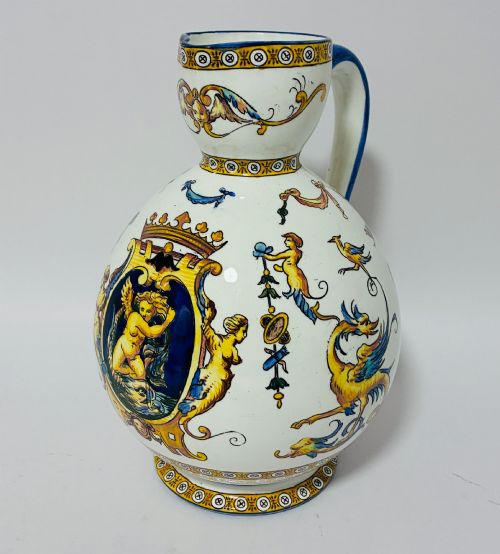
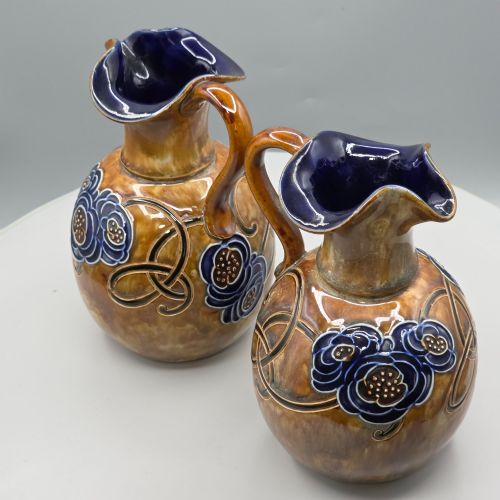
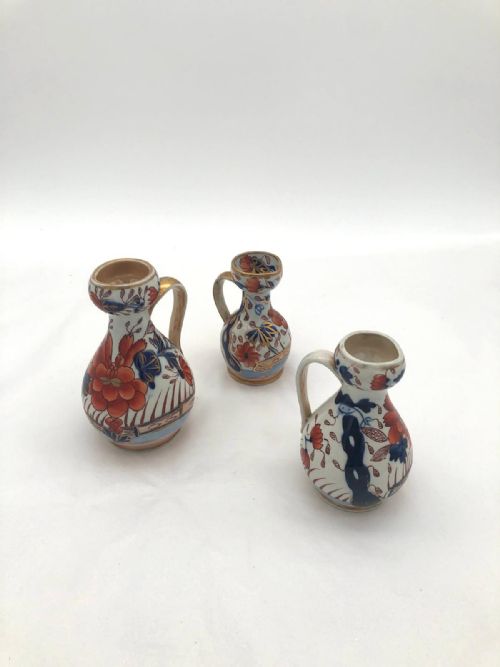
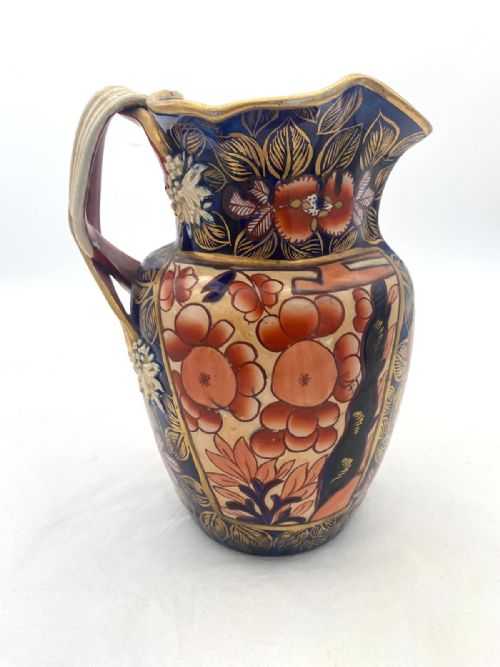
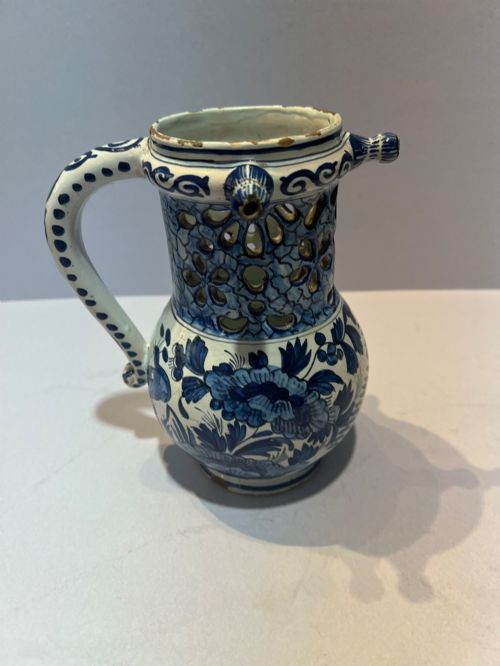
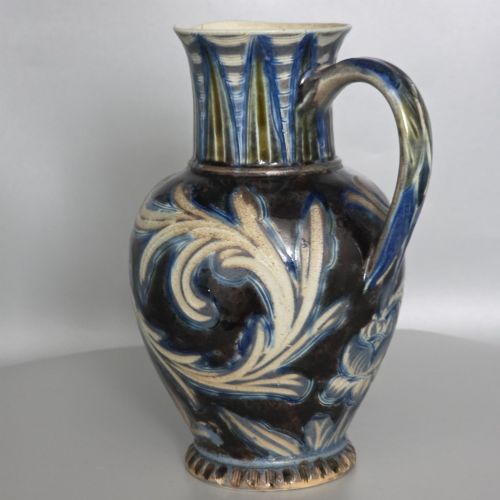
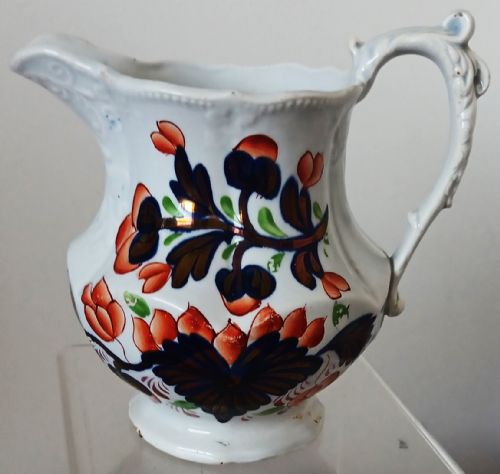
When searching for an antique blue pottery jug, buyers encounter everything from modest Staffordshire pitchers to Dutch delftware and salt-glazed stoneware. The versions most commonly met on this page include nineteenth-century ironstone pouring vessels, Victorian earthenware pieces, and salt-glazed examples bearing royal ciphers.
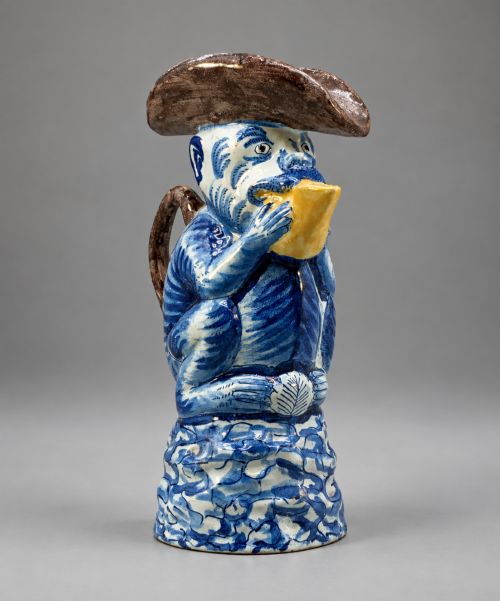
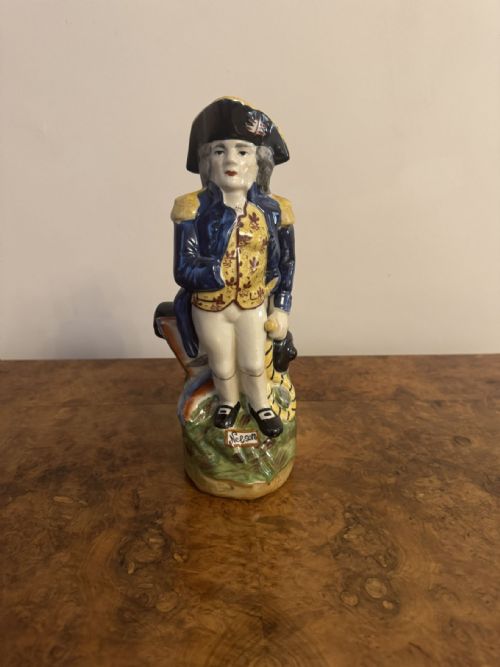
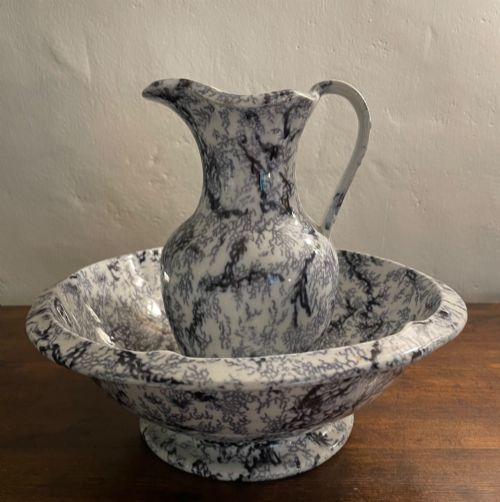
Makers shaped these utilitarian containers for various domestic and display roles, producing water jugs, wash set ewers, puzzle jugs, and figural toby jugs. Their origins span English potteries, Welsh kilns, German salt-glaze centres, and Dutch tin-glazed workshops.
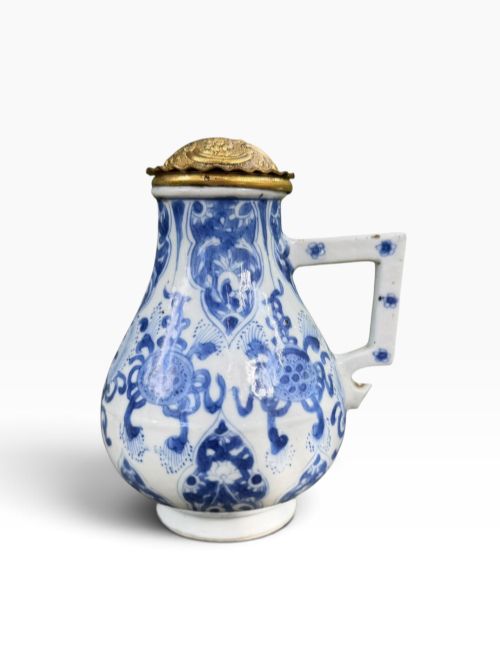
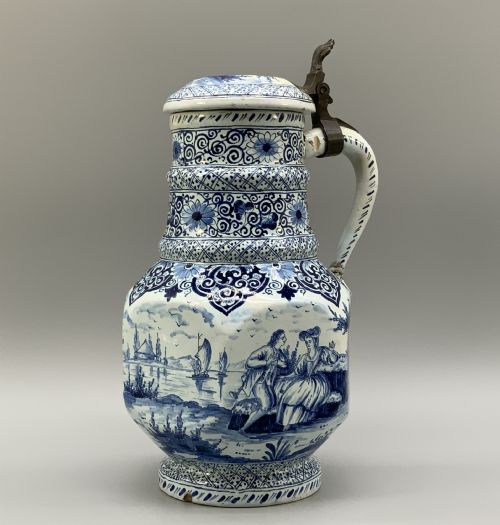
The decorative schemes rely heavily on blue pigment, appearing in transfer-printed landscapes, hand-painted floral motifs, and monochrome delftware scenes. These vessels trace centuries of ceramic evolution, reflecting changing household tastes from the seventeenth century onwards.
Materials and Technique
Potters utilised earthenware, ironstone, and heavy stoneware as the foundational bodies for these vessels, applying glazes to seal the porous clay. Tin-glazing provided an opaque white surface for blue underglaze painting on Dutch and English delft pieces, while salt-glazing produced a textured, pitted skin on German stoneware.
Techniques ranged from wheel-throwing to slip-casting and moulding, particularly for complex figural toby jugs and ornate ironstone jugs. Cobalt blue and enamels supplied the characteristic colouration, fired at high temperatures to fuse the pigments beneath or above the final glaze.
Antique Blue Pottery Jug Retail Price Guide 2026
Typical asking prices for blue pottery jug among the pieces listed under this phrase on Sellingantiques today, from the lower quarter to the upper quarter. They describe what is for sale here now, not the wider market.
Listings span periods from the 17th century to the Victorian era, utilising earthenware, stoneware, and ironstone.
Assessing Quality
Quality in these vessels rests on the crispness of the moulding, the clarity of the blue transfer print or hand-painted brushwork, and the stability of the glaze. Master potters achieved sharper relief on figural pieces and smoother surfaces on salt-glazed or tin-glazed bodies.
The provenance and attribution to known potteries or named decorators elevate certain examples, separating standard utilitarian kitchenware from exhibition pieces created for display. Preservation of the original pewter lids on Dutch delft jugs or the crispness of impressed factory marks further distinguishes finer pieces.
Royal Doulton·Mason's Ironstone·Sir Edmund Elton·John Rogers and Son
The Antique Blue Pottery Jug Glossary
- Ironstone
- A durable, heavy ceramic body patented in the nineteenth century to rival imported Chinese porcelain. It provides a robust surface for dense blue transfer-printed patterns.
- Salt Glaze
- A finish created by throwing common salt into the kiln during high-temperature firing, producing a characteristic orange-peel texture on stoneware bodies.
- Delftware
- Tin-glazed earthenware produced in the Netherlands and England, typically decorated in blue with floral or landscape motifs inspired by imported porcelain.
- Toby Jug
- A pottery jug modelled in the form of a stout, cheerful man usually holding a mug of beer and a pipe. These figures frequently feature blue coats or waistcoats.
- Ewers
- Large water jugs with wide spouts and looped handles, historically used for washing at wash-stands before plumbing became common.
Antique Blue Pottery Jug: Frequently Asked Questions
What were these jugs used for?
Historic households utilised these vessels for serving water, beer, milk, or tea at the dining table and for carrying wash water in bedrooms.
Over time, many transitioned from utilitarian kitchenware to decorative parlour objects displayed on mantelpieces or within collector cabinets.
How do I date a stoneware jug?
Dating relies on examining the potting technique, the type of salt glaze, and any applied royal ciphers or stamps that reference specific monarchs.
Stylistic shifts in the handle formation and the shade of the blue cobalt pigment also offer clues to whether a piece originates from the seventeenth or nineteenth century.
Can I use an antique jug for daily service?
While these vessels were built for practical kitchen tasks, nineteenth-century ironstone and stoneware are robust enough for occasional modern service.
Collectors generally restrict older tin-glazed delftware to display due to the fragile nature of the historic glaze and potential staining.
How do I tell delftware from ironstone?
Delftware possesses a softer, tin-glazed earthenware body that tends to show chipping at the rims and a slightly powdery feel beneath the glaze. Ironstone is a dense, heavy, vitrified ceramic developed in the nineteenth century that resists everyday wear far more effectively.