



Antique Blue Pill Box
These antique blue pill box examples offer miniature craftsmanship in enamel and silver, combining Georgian utility with vibrant colour.
Antique Blue Pill Box
An antique blue pill box sits within a broader family of small containers that includes patch boxes, snuff boxes, and trinket boxes. The pieces on this page span the 18th century, the Georgian era, the Victorian period, and Edwardian times, alongside specific dates such as 1910 and 1800.
Most frequent among these are Enamel and Bilston enamel pieces from the 18th century, alongside Edwardian silver and guilloche enamel boxes. Forms range from rectangular patch boxes and circular patch boxes to rouge pots and vinaigrettes.
Makers and origins recorded in the evidence encompass French Sèvres porcelain, Staffordshire, and Russian silver-gilt and cloisonné enamel. Buyers meet both British and continental workshops created for carrying small medicinal or cosmetic items.
How they were made
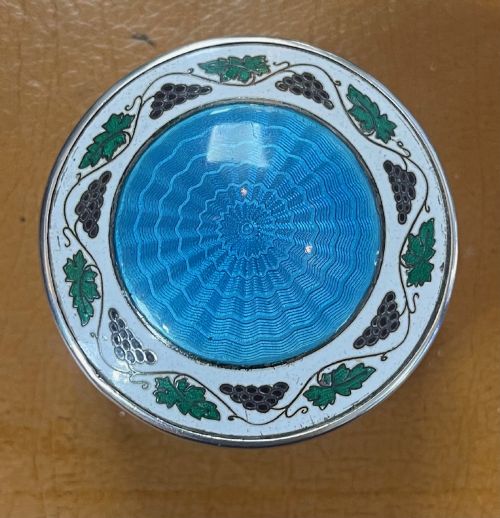
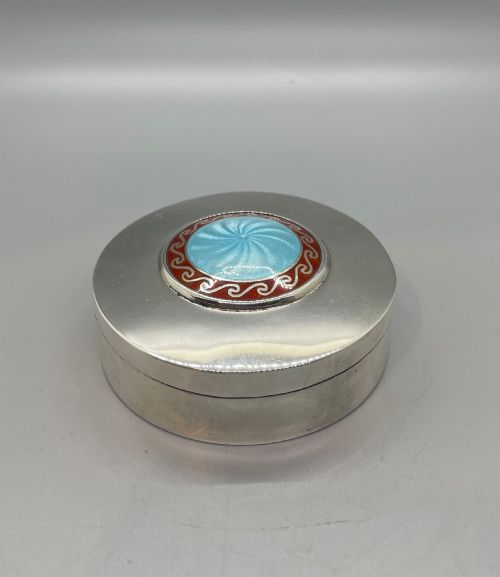
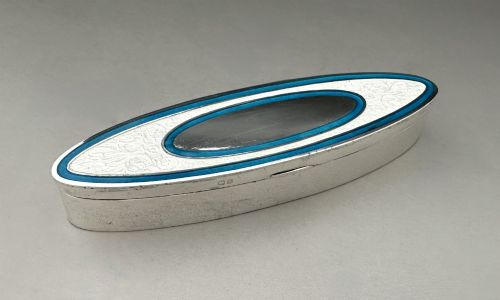
Enamel provides the distinctive blue surface seen across these pieces, applied to copper, sterling silver, or copper gilt bases. Artisans fused powdered glass to metal under high heat to achieve vitreous enamel finishes.
Guilloche and cloisonné techniques added patterned precision beneath transparent blue enamel layers, often paired with silver or gold mounts. Wedgwood pieces utilise jasper dip ceramic techniques for their blue relief decorations.
Antique Blue Pill Box Retail Price Guide 2026
Typical asking prices for blue pill box among the pieces listed under this phrase on Sellingantiques today, from the lower quarter to the upper quarter. They describe what is for sale here now, not the wider market.
Listings feature periods spanning the 18th century, Georgian era, Victorian period, and Edwardian years, alongside materials like vitreous enamel and sterling silver.
What varies in quality
The sophistication of the enamel work dictates much of the distinction between pieces. Precision in hand-painted motifs, such as those found on Staffordshire patch boxes, separates standard items from finer works.
The choice of base metal, from base copper to sterling silver and gold, reflects the intended luxury of the container. Finer examples display crisp detail in raised metallic ornamentation and secure, well-fitted hinged lids.
Bilston·Staffordshire·South Staffordshire·Wedgwood
The Antique Blue Pill Box Glossary
- Enamel
- A glassy substance fused to metal through heat to create a smooth, colourful coating. It provides the vivid blue surfaces characteristic of these containers.
- Guilloche
- A decorative engining technique that etches precise geometric patterns into metal before enamel is applied. This method creates shimmering underlying textures on Edwardian pieces.
- Patch box
- A small container originally used to hold cosmetic fabric patches for the face. 18th-century examples frequently feature enamel lids and copper bodies.
- Vinaigrette
- A small hinged box containing a perforated internal grille soaked in aromatic vinegar. They served similar portable functions to pill boxes during the Georgian and 18th-century periods.
- Jasper dip
- A fine-grained, unglazed stoneware developed by Wedgwood, typically showing white classical reliefs against a blue background.
Antique Blue Pill Box: Frequently Asked Questions
What is an antique blue pill box used for?
These small containers held pills, lozenges, or cosmetic patches for personal use away from home. Their compact size made them suitable for pockets or reticules.
Over time, collectors repurposed them as display items or containers for small modern keepsakes. They remain tactile objects designed to be held in the hand.
How do I date an enamel box?
Dating relies on stylistic markers, materials, and structural details characteristic of periods like the 18th century or the Edwardian era. Georgian pieces often feature copper gilt mounts and hand-painted enamel lids.
Assay marks on silver mounts provide specific years, such as 1910 or 1911. Comparing hinge construction and enamel shades against known workshop styles helps narrow the period further.
Are these boxes made of solid silver?
Many Edwardian and Russian examples utilise sterling silver or silver-gilt for their frames and mounts. Others employ copper, brass, or base metal beneath an enamel coating.
The evidence includes specific variations such as copper gilt, gold, and Swiss gold alongside silver. Each material combination dictates the weight and structural character of the box.
What is the difference between a patch box and a pill box?
Patch boxes were originally designed to hold small silk beauty patches used in the 18th century. They are frequently rectangular or oval with fitted interior mirrors on early examples.
Pill boxes generally have deeper, more rounded wells intended for medicinal doses. Both forms overlap significantly in size, materials, and decorative enamel techniques.