


Antique Blue Pendant
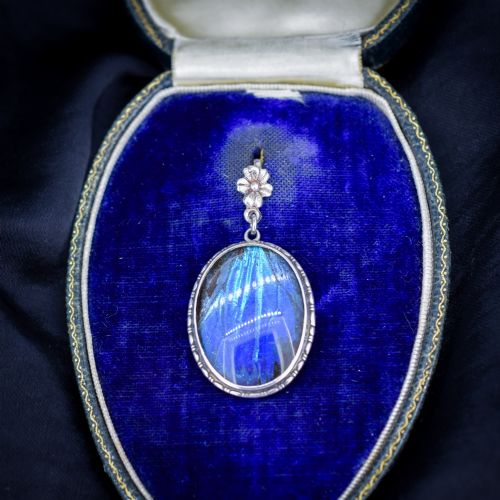
An antique blue pendant captures the light of bygone decades, bringing together vibrant enamel, deep sapphires and gleaming gold.
Antique Blue Pendant
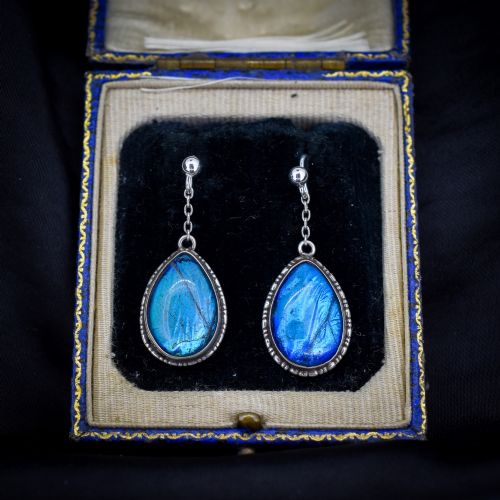
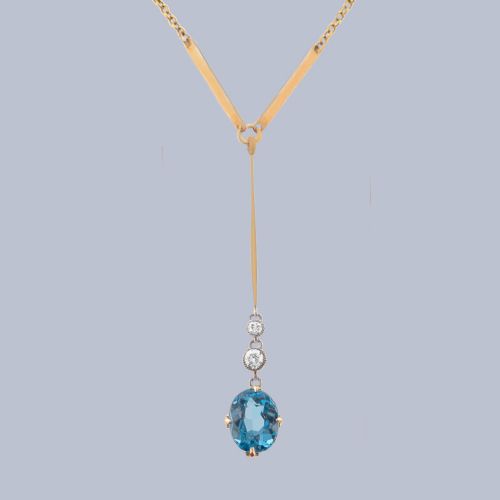
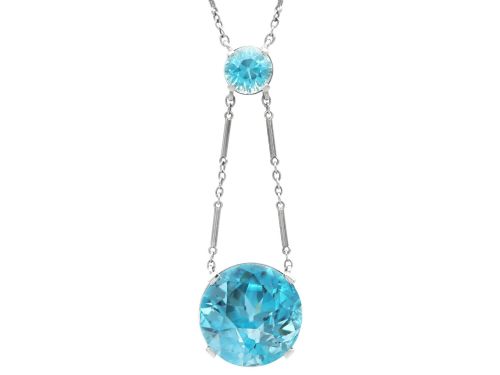
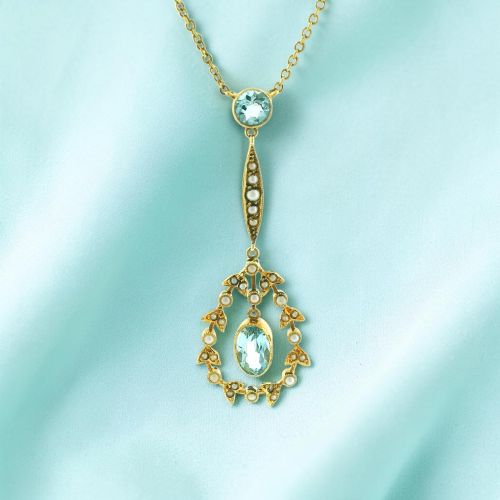
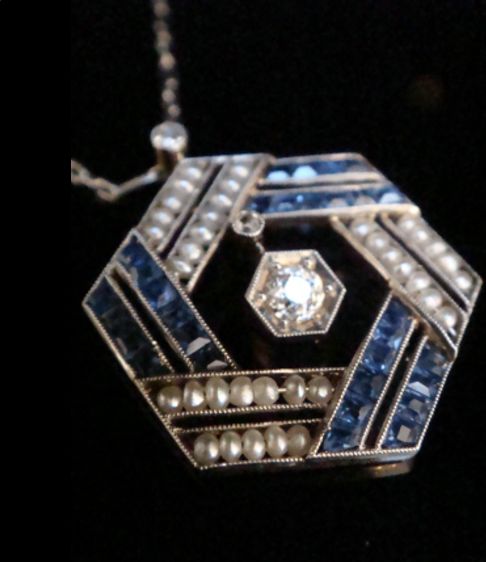
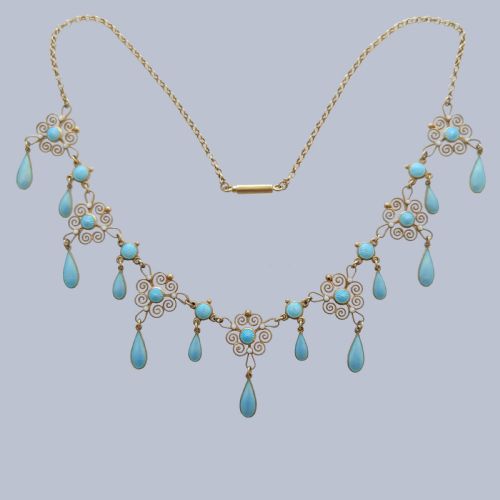
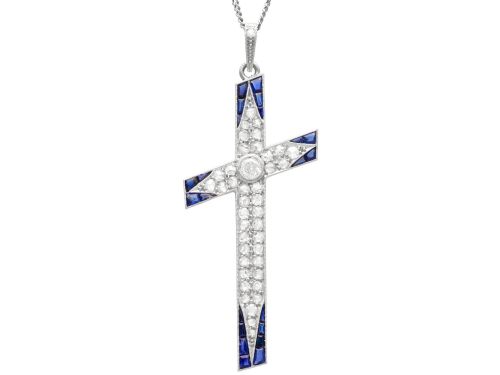
An antique blue pendant is a piece of jewellery designed to hang from a chain around the neck, defined by its striking blue coloration. When searching for an antique blue pendant, buyers encounter a variety of forms ranging from delicate Georgian and Victorian cross pendants to Edwardian drop necklaces and Art Nouveau silver designs.
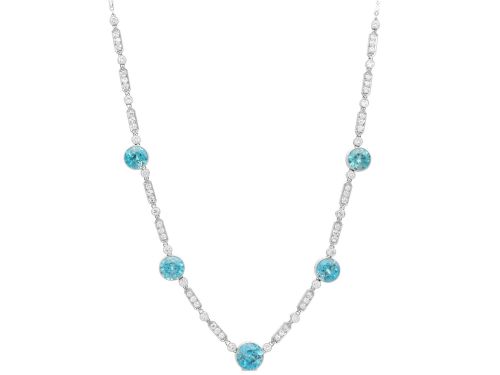
The materials that create these blue hues vary widely across the periods represented. Pieces feature bright blue enamel, natural turquoise, sparkling aquamarine, deep blue topaz and brilliant sapphires set in gold, silver or platinum.
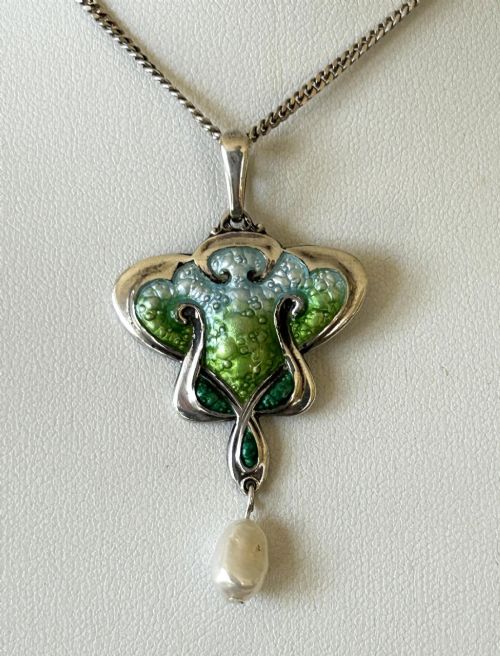
These items originate from diverse aesthetic movements including the intricate metalwork of the Arts and Crafts period, the sweeping botanical lines of Art Nouveau and the geometric precision of Art Deco. Most examples found on this page date from the nineteenth and early twentieth centuries.
How they were made
Craftsmen utilised traditional techniques such as guilloche enamel and foil backing to enhance the depth and vibrancy of the blue stones and glass. Gold in nine carat, fifteen carat and eighteen carat purities, alongside silver and platinum, provided the durable framework for these intricate designs.
Goldsmiths and silversmiths combined precious metals with gemstones including diamonds, pearls and turquoise, securing them through precise setting methods typical of Victorian, Edwardian and Art Deco workshops.
Antique Blue Pendant Retail Price Guide 2026
Typical asking prices for blue pendant among the pieces listed under this phrase on Sellingantiques today, from the lower quarter to the upper quarter. They describe what is for sale here now, not the wider market.
Pendant designs on this page span Georgian, Victorian, Edwardian, Arts and Crafts, Art Nouveau, and Art Deco styles.
What varies in quality
The distinction between standard pieces and the finest examples lies in the skill of the execution and the quality of the materials selected. Superior pendants display meticulous enamel work without loss or damage, perfectly matched gemstones with high clarity, and refined metalwork that maintains its structural integrity.
Pieces attributed to notable designers or specific artistic movements often demonstrate a higher level of creative ambition and refined finishing, elevating them above mass-produced items of the same era.
Archibald Knox·Liberty and Co·Murrle Bennett·Marius Hammer·Henry Williamson·R Lalique
The Antique Blue Pendant Glossary
- Guilloche enamel
- A decorative technique where a precise geometric pattern is engraved beneath a translucent layer of coloured enamel. This method creates a shimmering depth that catches the light from different angles.
- Negligee necklace
- A style of pendant necklace featuring two asymmetrical drops suspended from a central motif or chain. Popular during the Edwardian era, this design creates a graceful, flowing appearance on the neckline.
- Holbeinesque
- A Victorian revival style inspired by sixteenth-century ornamentation, typically characterised by elaborate jewelled pendants set with pearls, garnets and enamel. These substantial pieces draw heavily upon Renaissance portraiture.
- Foil back
- A method of placing a thin metallic sheet behind a gemstone or piece of glass to reflect light and artificially enhance its colour and brilliance. This technique is frequently observed in antique jewellery.
- Festoon necklace
- A decorative necklace featuring swags or chains of beads, metal or gemstones that drape loosely across the chest. These pieces often incorporate delicate drop elements typical of Edwardian taste.
Antique Blue Pendant: Frequently Asked Questions
What periods do these pendants come from?
The pieces span from the Georgian era through the Victorian and Edwardian periods up to the Art Deco years of the early twentieth century.
Each period brings distinct stylistic characteristics, from heavy gold mourning lockets to airy silver and enamel floral motifs.
How do I care for antique enamel jewellery?
Antique enamel requires gentle handling because it can chip or crack if struck against hard surfaces. Clean it softly with a dry cloth and avoid harsh chemical dips or prolonged immersion in water.
Store pendants individually in lined boxes to protect the delicate surface layers from scratching against other items.
What stones are used in blue pendants?
Common blue stones include aquamarine, sapphire, topaz, turquoise and apatite. Glass and vibrant enamel are also utilised to achieve vivid azure and cobalt shades.
Precious metals such as yellow gold, rose gold, white gold, silver and platinum frequently frame these blue elements.
How can I tell an Edwardian pendant apart from a Victorian one?
Victorian pieces tend to be heavier and more sentimental, often featuring closed-back settings, rich yellow gold, and mourning motifs or serpents. Edwardian jewellery shifts towards lighter lace-like platinum and silver settings with diamonds, aquamarines and pastel tones.
Arts and Crafts and Art Nouveau designs from the turn of the century often emphasise hand-beaten silver and translucent enamel over traditional gemstone weight.