
Antique Blue Chair
An antique blue chair brings together traditional timber frames and distinct textile upholstery from the eighteenth, nineteenth, and early twentieth centuries.
Antique Blue Chair
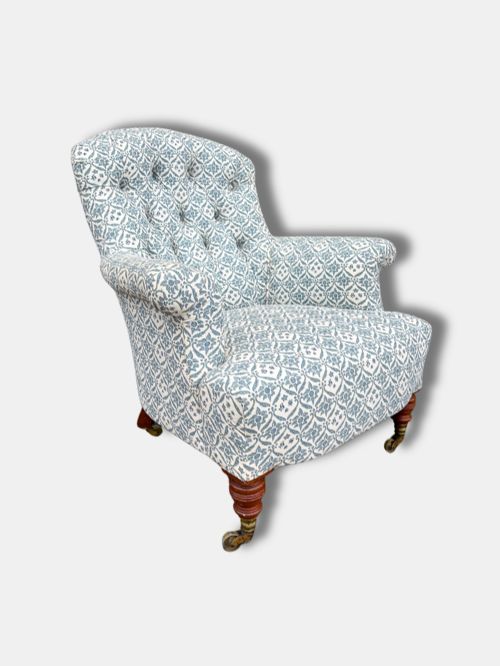
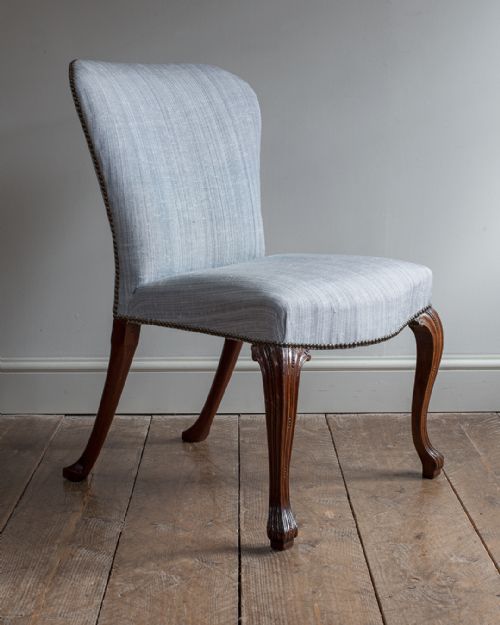
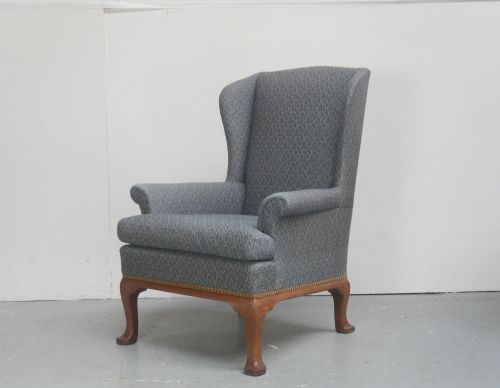
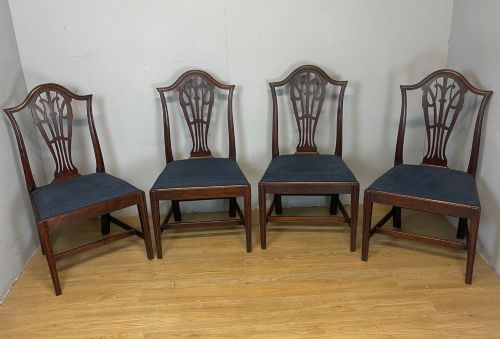
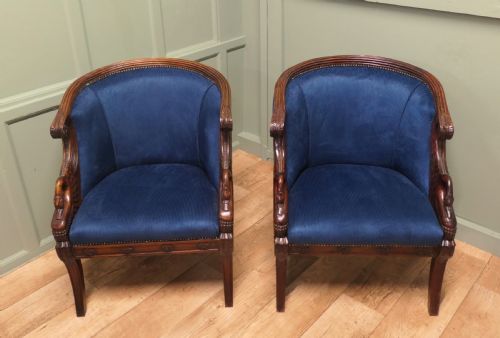
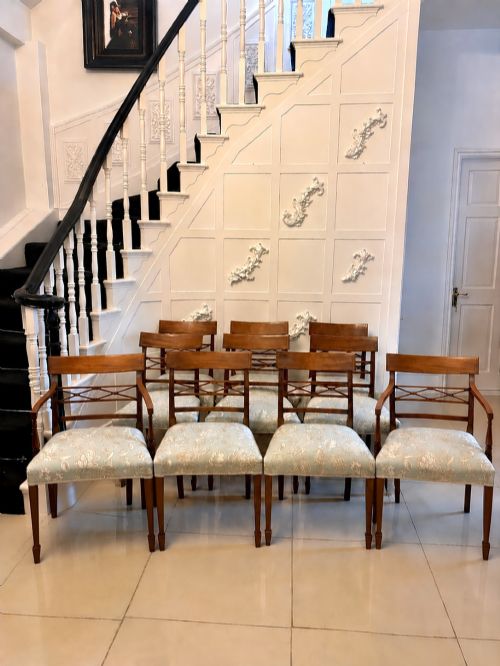
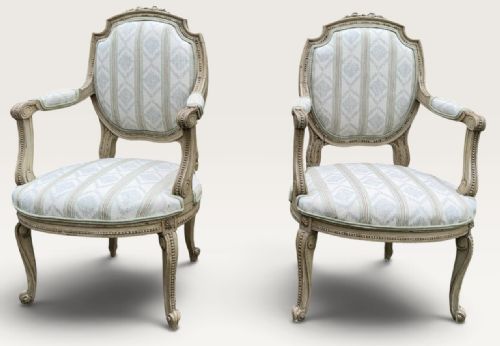
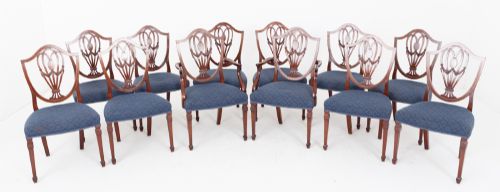
When searching for an antique blue chair, buyers encounter everything from single nursing chairs and open armchairs to large sets of dining chairs and French salon seats. These pieces originate across the nineteenth and twentieth centuries, spanning Georgian, Victorian, Edwardian, and revival periods.
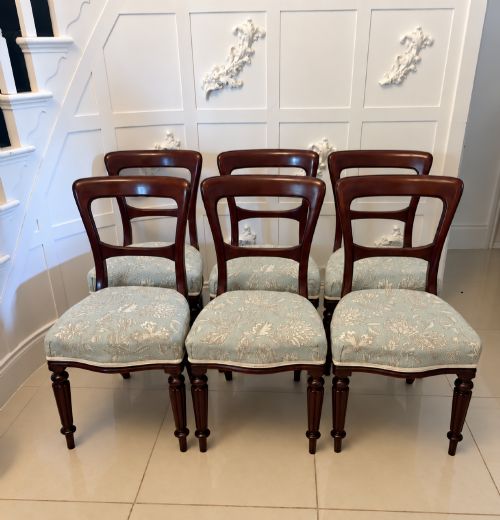
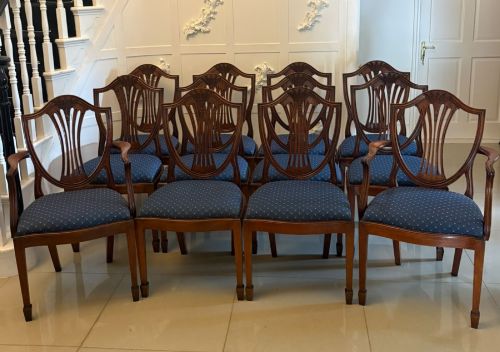
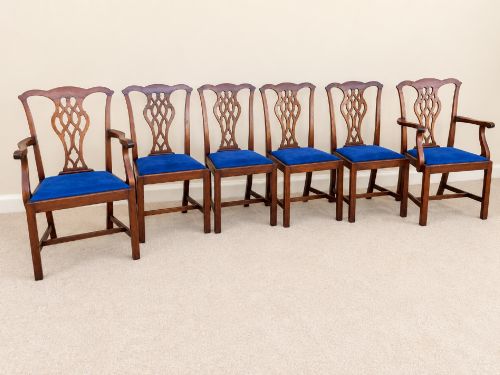
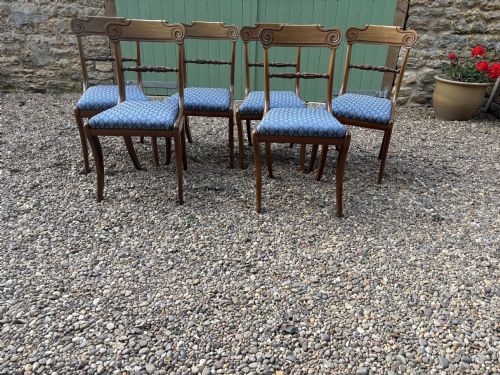
The domestic forms vary widely between formal seating and functional room chairs. Dining chairs appear in sets of six, eight, ten, or twelve alongside individual carvers, while low bedroom nursing chairs and deep-seated button back armchairs provide relaxed seating.
The blue aspect of these furnishings arrives through textiles rather than timber. Upholstery, velvet, tapestry, and fabric coverings define the colour across both English and continental European designs.
Materials and Construction Methods
Makers built these chair frames primarily in solid hardwoods. Mahogany dominates the selection, accompanied by walnut, oak, rosewood, and occasional painted or parcel gilt surfaces.
Upholstery and textiles complete the construction. Fabric, velvet, and tapestry are applied over internal padding and brass hardware to form the cushioned seats and backs seen on armchairs and lounge pieces.
Periods represented span from the eighteenth-century Georgian era through the Victorian, Edwardian, and Art Deco decades.
Judging Quality and Craftsmanship
The standard of an antique blue chair rests in the precision of the timber frame and the integrity of the joinery. Carved details on mahogany and walnut structures show the hand of the maker more clearly in superior examples.
The choice of textile and the application of the upholstery dictate the finish. Original paint, distinct tapestry work, and button back detailing separate standard production items from finer workshop pieces.
Howard and Sons·Morison and Co
The Antique Blue Chair Glossary
- Carver
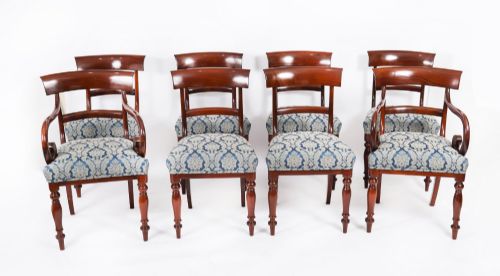
- An armchair designed with armrests, frequently matched to a set of dining chairs without arms. These pieces sat at the head of the dining table.
- Balloon Back
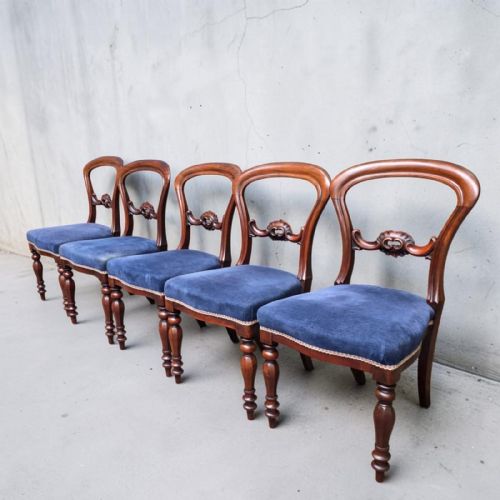
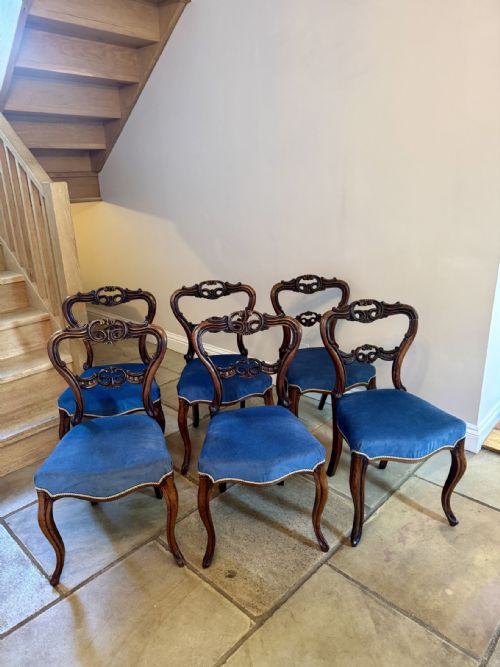
- A rounded chair back shaped like a balloon, commonly found on Victorian dining and drawing room chairs. This style gained popularity during the mid-nineteenth century.
- Shield Back
- A chair back carved in the outline of a shield, associated with eighteenth-century design and later revival periods. It often incorporates delicate tracery and splats.
- Barback
- A chair featuring a horizontal crossbar across the backrest instead of a vertical splat. This form appears frequently in nineteenth-century dining seating.
- Nursing Chair
- A low-seated chair designed for the bedroom or nursery, allowing comfortable seating while holding an infant. These pieces often feature upholstered backs and short legs.
Antique Blue Chair: Frequently Asked Questions
How do I identify a Victorian chair?
Victorian chairs often employ mahogany or walnut with distinct balloon backs, button back upholstery, or carved frames. These pieces date from the mid to late nineteenth century.
They reflect the heavy industrial and domestic design shifts of the era while retaining traditional hand-carved joinery.
Are these dining chairs sold as sets?
Many dining chairs appear in matched sets ranging from four up to twelve pieces. These groupings frequently include side chairs alongside matching carvers.
Buyers often find complete sets originating from the Georgian, Victorian, and Edwardian periods.
What is a French salon chair?
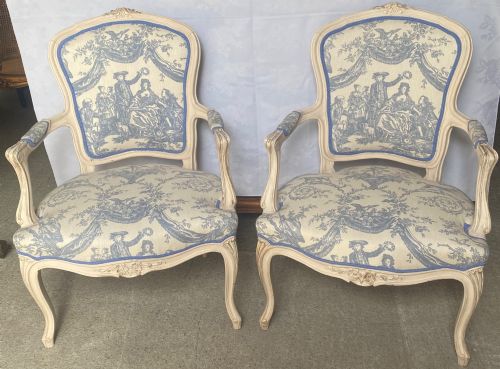
French salon chairs are decorative seating pieces from nineteenth and early twentieth-century France. They frequently display painted or parcel gilt finishes alongside tapestry upholstery.
Such chairs were built for formal reception rooms rather than daily domestic dining use.
How are antique armchairs upholstered?
Upholstery on these armchairs involves traditional textile coverings such as velvet, fabric, or tapestry secured over padded frames. Brass elements and buttoning frequently finish the work.
Some examples retain original fabric while others require re-upholstery to suit modern interiors.