





Antique Blue Bedroom Furniture
These antique blue bedroom furniture pieces bring painted Swedish, Italian, and English craftsmanship into the sleeping quarters with period charm.
Antique Blue Bedroom Furniture
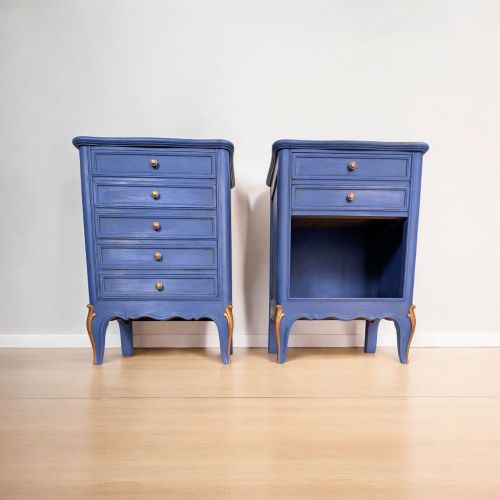
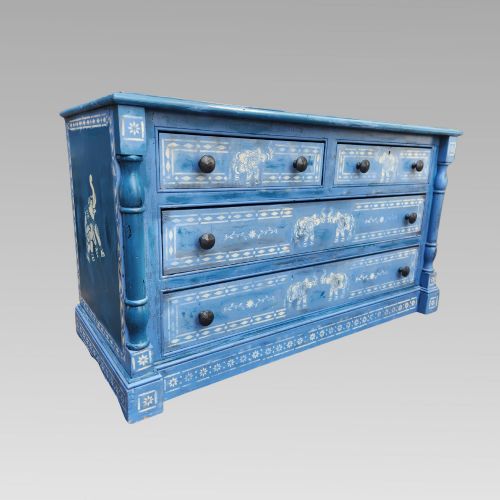
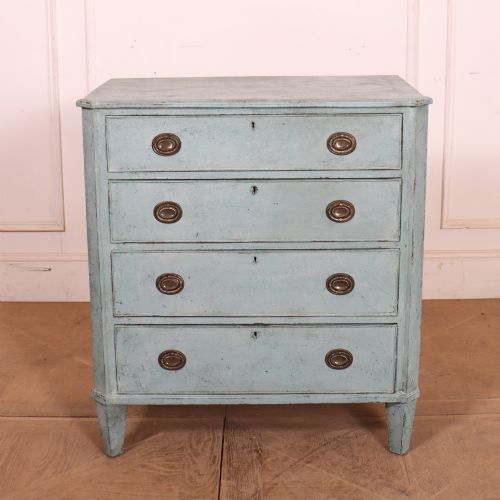
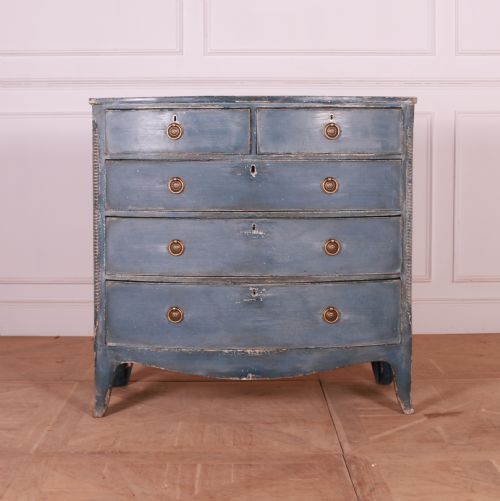
Buyers seeking antique blue bedroom furniture encounter a select variety of seating, washing, and storage pieces spanning the eighteenth, nineteenth, and early twentieth centuries. The selection centres heavily on painted commodes and chests of drawers alongside occasional chairs, window seats, and washstands.
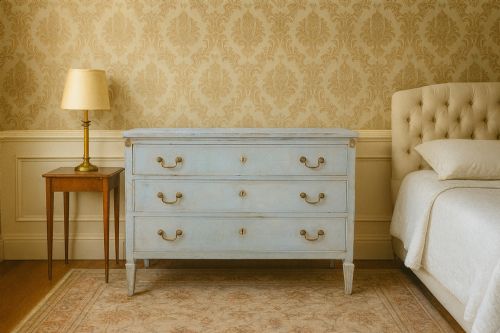
The regional origins stretch across English country workshops, Swedish estates, and Italian ateliers, showcasing distinct local interpretations of painted finishes. Swedish and Italian commodes dominate the storage options, often displaying neoclassical or baroque revival lines finished in pale or muted blue pigments.
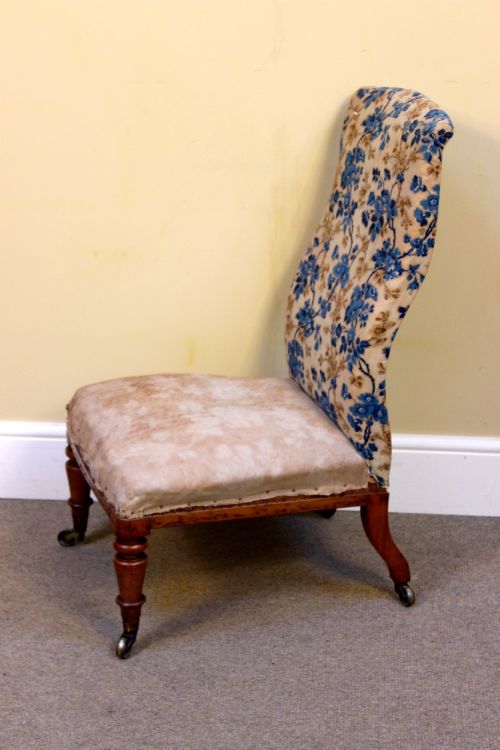
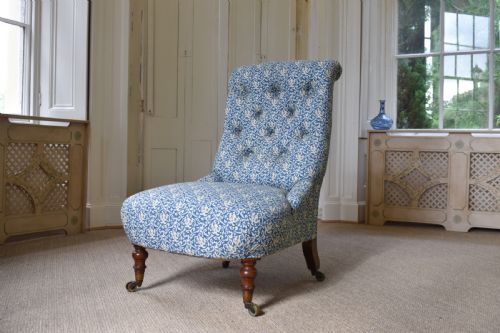
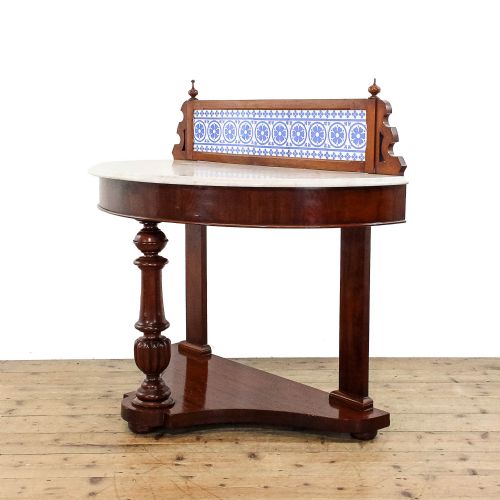
Seating and washing items complement the case pieces, featuring mahogany or walnut frames paired with upholstered cotton or specialised stripe fabrics. Edwardian chairs and Georgian revival benches sit alongside Victorian marble-topped washstands to complete the domestic setup.
How they were made
Makers utilised solid timbers including pine, oak, walnut, and mahogany as the foundational structures for these drawers, commodes, and seating frames. Woodworking relied on traditional joinery methods suited to each regional workshop, from robust English country construction to refined Swedish case-making.
Surfaces received specialised treatments of paint, particularly applied to the continental commodes to achieve soft blue tones that aged over generations. Hardware components incorporated brass fittings, while seating options utilised cotton fabric and cotton textiles for upholstery support.
Antique Blue Bedroom Furniture Retail Price Guide 2026
Typical asking prices for blue bedroom furniture among the pieces listed under this phrase on Sellingantiques today, from the lower quarter to the upper quarter. They describe what is for sale here now, not the wider market.
One unexpected window seat combines walnut timber with a coastal stripe fabric, bridging Edwardian proportions with a breezy seaside aesthetic.
What varies in quality
The distinction between standard and superior pieces rests in the preservation of the original painted surface and the crispness of applied decorative carving. Continental commodes with untouched layered pigment show greater artisanal depth than later repainted surfaces.
Structural integrity of the underlying timber framework dictates longevity, particularly in the drawer runners and leg joints of heavy pine and oak chests. Finer items retain their original brass handles and proportional harmony from their respective nineteenth or eighteenth-century periods.
Howard and Sons
The Antique Blue Bedroom Furniture Glossary
- Commode
- A low chest of drawers or cabinet with legs, frequently utilised in bedrooms for storage. Continental examples often display decorative painted finishes.
- Gustavian
- A Swedish neoclassical style popular during the late eighteenth century characterised by restraint, light proportions, and pale painted surfaces. This aesthetic heavily influences the blue commodes from the period.
- Washstand
- A specialised piece of bedroom furniture designed to hold a basin and pitcher for washing, sometimes featuring marble tops. Victorian iterations combine mahogany woodwork with stone surfaces.
- Baroque Revival
- A nineteenth-century stylistic movement reviving the ornate, dramatic forms of the seventeenth-century baroque era. Swedish interpretations of this style appear on painted chests.
- Duet Bench
- A long seating form designed for more than one person, sometimes constructed in a Georgian revival style with walnut frames.
Antique Blue Bedroom Furniture: Frequently Asked Questions
What periods do these pieces span?
The available items span from the mid-eighteenth century through the nineteenth century and into the Edwardian era. This range covers Georgian revival, Victorian, and Swedish neoclassical periods.
Buyers find regional diversity across these dates, encompassing English country pieces alongside Swedish and Italian works.
How do painted commodes differ by region?
Swedish and Italian commodes frequently employ pale blue painted finishes reflecting neoclassical or baroque revival tastes. English chests tend to showcase original painted surfaces on pine or oak.
These geographical distinctions affect both the palette and the overall proportions of the case furniture.
What materials make up the seating?
Seating frames utilise mahogany, walnut, and other timbers shaped in Edwardian or Georgian revival styles. Upholstery incorporates cotton and coastal stripe fabrics.
These materials support functional use while maintaining period aesthetic integrity.
Where were washstands used?
Washstands served a primary washing function in nineteenth-century bedrooms before plumbed bathrooms became standard. Victorian versions incorporated marble tops to resist water damage.
They paired utility with polished mahogany craftsmanship suited to formal sleeping chambers.