



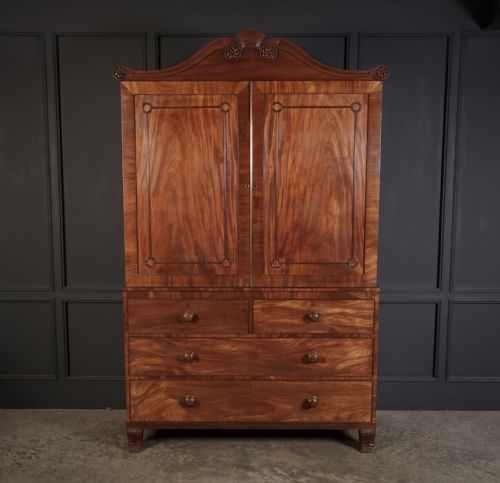


Antique Blanket Press
An antique blanket press provides solid timber storage for household textiles, combining practical utility with centuries of traditional cabinet-making.
Antique Blanket Press
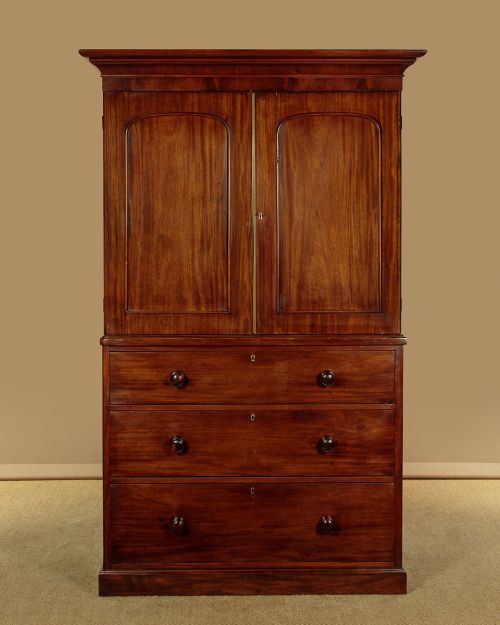
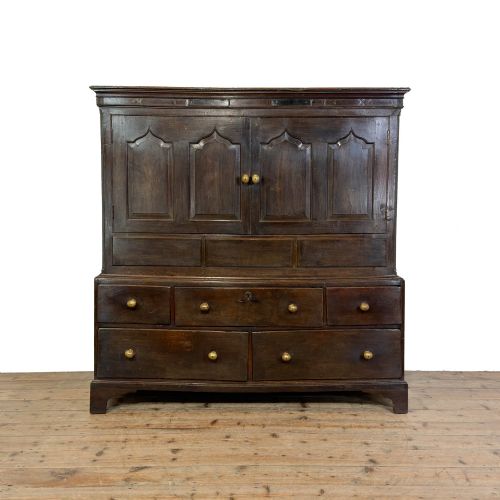
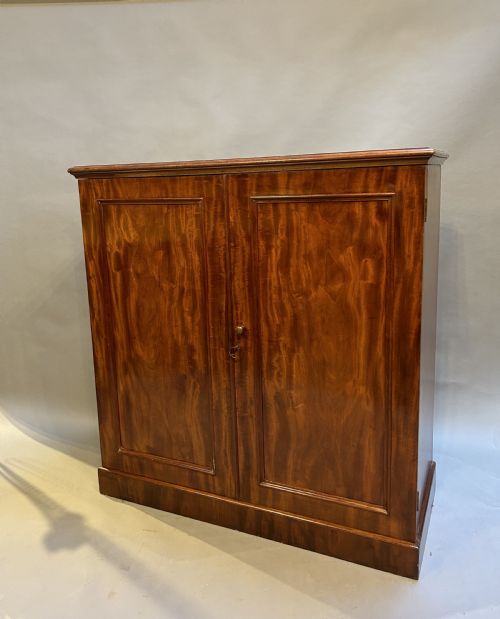
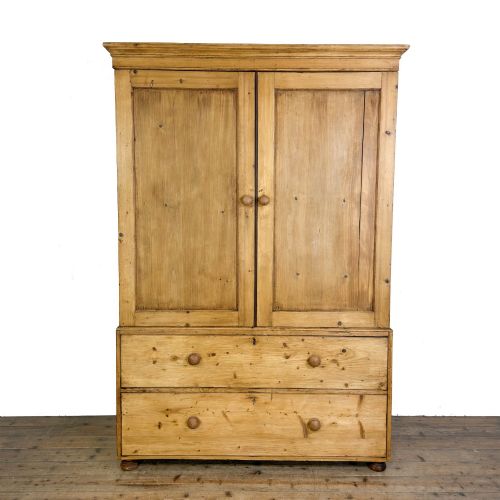
When searching for an antique blanket press, buyers encounter a variety of substantial storage furniture originating from different regional traditions. These pieces include linen presses, linen cupboards, and storage chests designed to preserve household textiles.
The versions most frequently met on this page are constructed from pine, oak, and mahogany. They span periods from the mid-eighteenth century through the Victorian era, representing both English and Scandinavian country styles.
Many items function as multi-tiered cupboards or wardrobes featuring internal space originally intended for folded linen and blankets. Regional examples, such as Welsh and Swedish pieces, display characteristic local building methods.
How they were made
Construction relies heavily on domestic hardwoods and softwoods such as oak, mahogany, and pine, chosen for structural stability and availability. Cabinet makers utilised traditional joinery methods to build carcases capable of holding heavy textiles.
Hardware elements incorporate brass and iron for hinges, handles, and internal mechanisms, whilst bone occasionally appears in small decorative details. Surface treatments range from exposed timber grain to painted finishes.
Antique Blanket Press Retail Price Guide 2026
Typical asking prices for blanket press among the pieces listed under this phrase on Sellingantiques today, from the lower quarter to the upper quarter. They describe what is for sale here now, not the wider market.
Geographical origins represented in the selection include English, Welsh, and Swedish workshops.
What varies in quality
Quality differences emerge in the selection of timber and the execution of structural joinery. Finer pieces demonstrate careful attention to grain matching and timber selection across large surfaces like doors and panelled sides.
The sophistication of regional style and the retention of original hardware, such as brass pulls and iron hinges, distinguish standard utility items from more refined examples produced in major cabinet-making centres.
The Antique Blanket Press Glossary
- Linen press
- A tall piece of furniture featuring upper cupboard doors for storing folded textiles and lower drawers for smaller items. This form evolved to keep household linens clean and pressed before the widespread use of electric irons.
- Coffer
- A heavy storage chest with a hinged lid, traditionally used for valuables, garments, and blankets. These are among the earliest forms of domestic storage.
- Georgian
- A stylistic period spanning the eighteenth and early nineteenth centuries, characterised by classical proportions and disciplined use of mahogany and oak.
- Victorian
- A period of nineteenth-century design encompassing diverse revivals and robust country interpretations, frequently utilising pine and mahogany.
- Carcase
- The main structural body or frame of a piece of cabinet furniture before doors, drawers, and decorative mouldings are attached. Understanding carcase construction reveals the primary stability of the item.
Antique Blanket Press: Frequently Asked Questions
What is an antique blanket press used for?
These pieces provide deep storage for heavy woolen blankets, household linens, and garments. They keep textiles organised and protected from dust within traditional domestic interiors.
Historically, they served as the primary wardrobe or linen store before built-in closets became standard in residential architecture.
How do I date an antique blanket press?
Dating relies on examining the timber species, construction joints, and overall style visible in the piece. Eighteenth-century examples often feature hand-carved details and solid oak or mahogany construction.
Later Victorian and nineteenth-century pieces frequently utilise pine, simpler mouldings, and machine-sawn timber components alongside characteristic hardware.
Where were these presses made?
Production occurred across workshops in Britain and Scandinavia, with distinct regional variations emerging from areas like Wales and Sweden. Local timber availability dictated whether pine, oak, or mahogany was chosen.
Country workshops adapted metropolitan styles to suit local domestic needs, resulting in robust furniture tailored for rural homes.
How do I care for a wooden press?
Maintain the timber by keeping the piece away from direct heat sources and sudden humidity changes. This prevents the solid wood panels and joints from warping or splitting over time.
Clean surfaces gently with a dry or slightly damp cloth, avoiding modern chemical polishes that can damage historic finishes.