



Antique Black Scroll
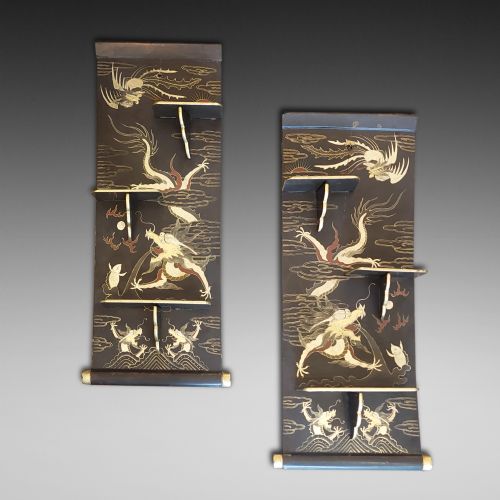
These antique black scroll pieces combine dark surfaces and sinuous metalwork to anchor a room with period character.
Antique Black Scroll
An antique black scroll piece encompasses functional items featuring dark finishes and curved decorative elements. You will frequently find wrought iron and cast iron items here, alongside ebonised wood furnishings.
The selection ranges from Victorian hearth furniture and seating to console tables and lighting fixtures. Pieces draw from 19th-century, Edwardian, and early 20th-century periods, often reflecting Victorian, Regency, or Arts and Crafts styling.
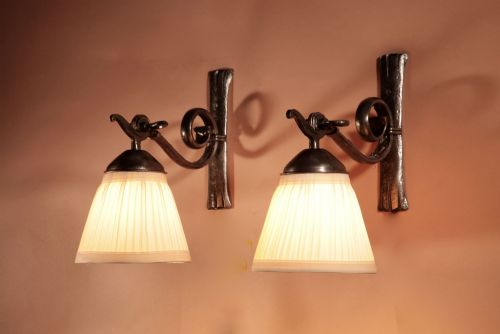
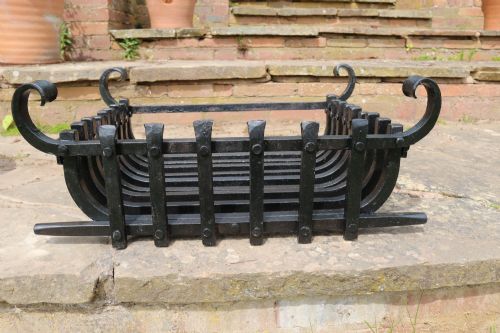
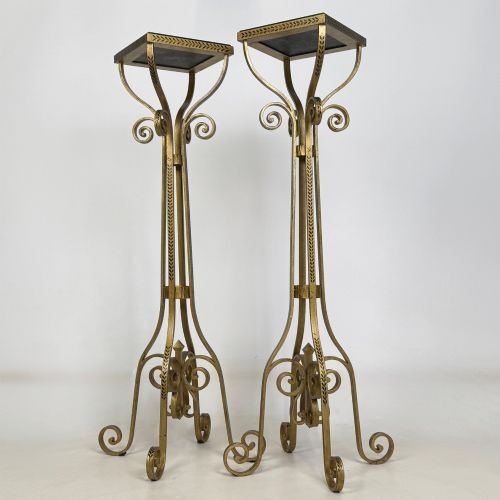
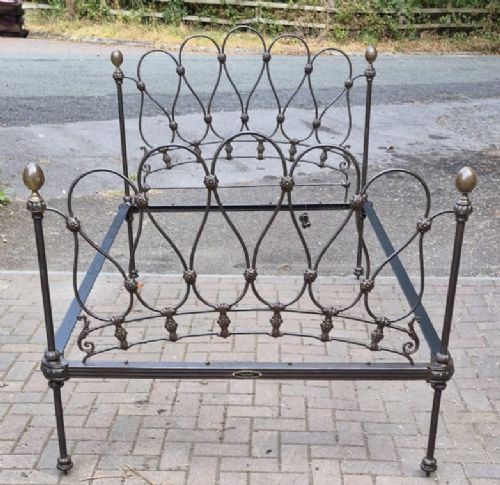
Furniture forms include day beds, sofas, rocking chairs, and plant stands with brass or marble integration. Architectural and domestic ironwork dominates the forms, appearing in fire baskets, wall lights, and floor lamps.
Materials and construction methods
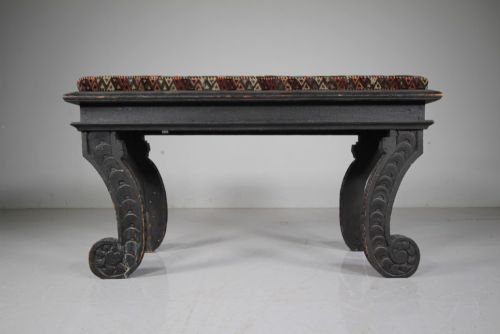
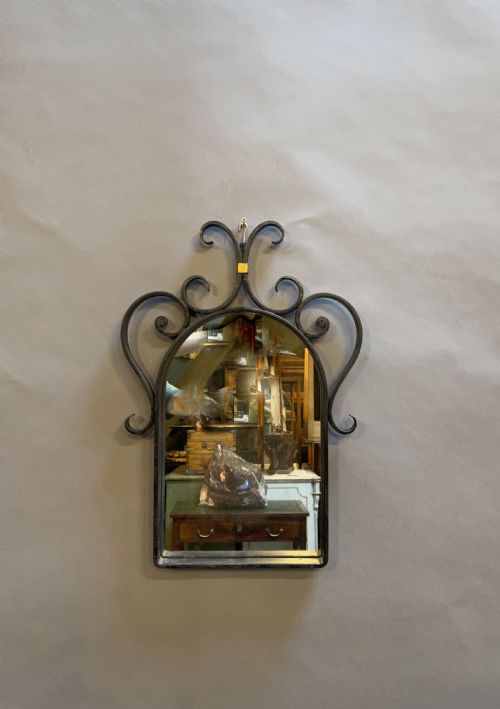
Black scroll items rely heavily on wrought iron and cast iron, shaped by hand or cast in moulds to achieve rhythmic, sweeping curves. Blackening agents, paint, or ebonisation treatments create the signature dark surfaces on metal and timber structures.
Makers integrated contrasting materials like white or black marble tops, brass mounts, and upholstered elements into the heavy iron frameworks. Structural stability came from traditional joinery in timber pieces and robust riveting or forging in ironwork.
Antique Black Scroll Retail Price Guide 2026
Typical asking prices for black scroll among the pieces listed under this phrase on Sellingantiques today, from the lower quarter to the upper quarter. They describe what is for sale here now, not the wider market.
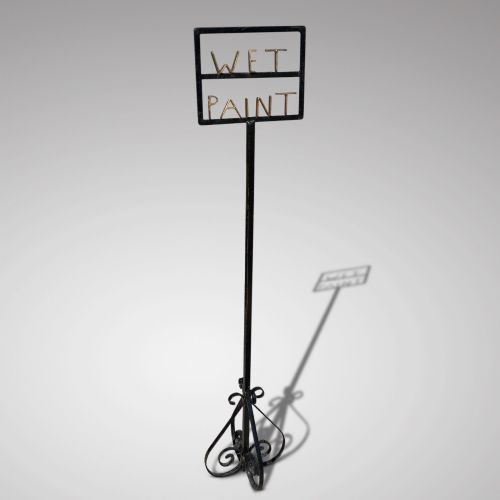
Among the scrolling ironwork sits a surviving wet paint sign, proving that even utilitarian warnings received a decorative touch.
Distinctions in craftsmanship and design
Superior examples show exceptional fluidity in the scroll-work, where the metal curves terminate with purposeful grace rather than stiff uniformity. The crispness of the casting or the precision of the hand-forging separates standard utility items from decorative showpieces.
Material pairing influences overall distinction, notably the quality of the marble selected for tables and plant stands, or the depth of the ebonised finish on timber frames. Pieces retaining original surface treatments hold greater integrity than those with unsympathetic later coatings.
Jennens and Bettridge·Thonet·Willian Trotter
The Antique Black Scroll Glossary
- Ebonised
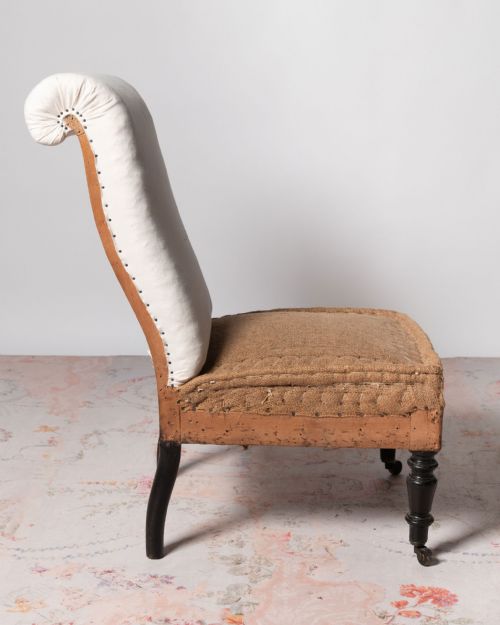
- Wood treated with a chemical stain or finish to imitate expensive ebony. This dark, light-absorbing surface provides a sombre contrast to gilt accents or bright upholstery.
- Wrought Iron
- Iron that has been heated and shaped with tools by a smith. This malleable material allows for the creation of organic, flowing scroll-work.
- Andirons
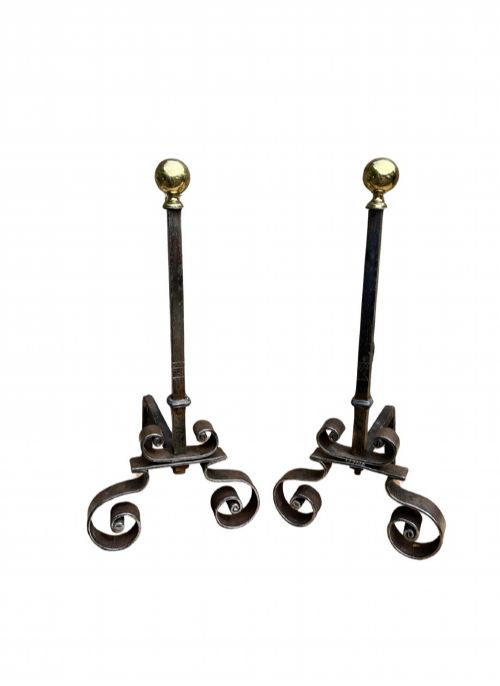
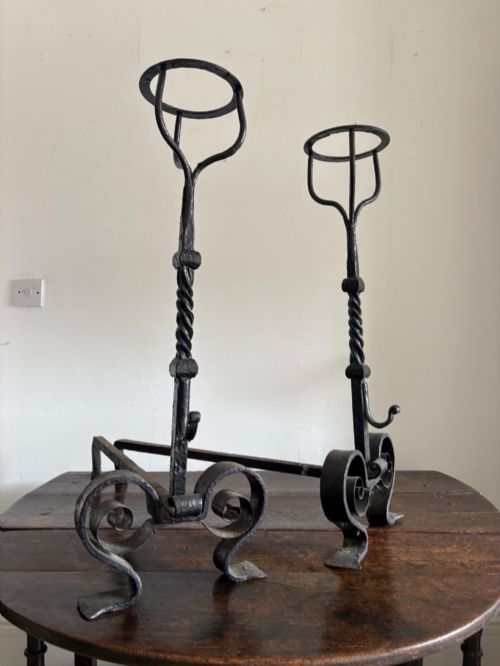
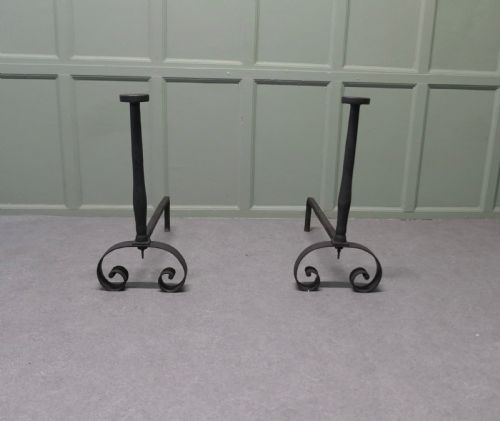
- Horizontal metal bars or firedogs raised on legs, used in pairs to support logs in an open fireplace. They frequently feature decorative scroll fronts.
- Scroll-work
- Ornamental design using spirals and curved motifs resembling rolled paper. It forms the defining visual characteristic of these metal and timber pieces.
- Console Table
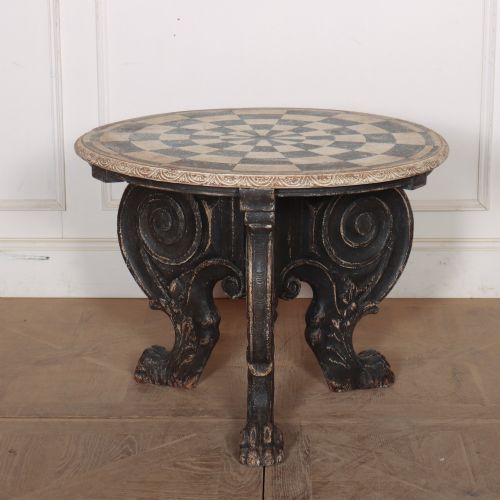
- A table designed to be fixed against a wall, often supported by scroll brackets or legs. These surfaces frequently incorporate marble tops.
Antique Black Scroll: Frequently Asked Questions
How do I clean ebonised wood?
Dust gently with a dry, soft cloth to prevent scratching the dark surface. Avoid harsh chemical cleaners that can strip the historic finish.
Apply a quality wax sparingly if the timber appears dry, buffing it gently to restore a soft sheen.
Where should I place a console table?
Position these tables in hallways or living rooms against a flat wall to anchor the space. Their slender profiles work well behind sofas or in entryways.
Ensure heavy marble-topped variants rest on secure, level flooring to prevent accidental tipping.
Are iron fire baskets usable?
Many historic grates and baskets remain structurally robust enough for regular fireside use. Inspect the metal for deep fatigue or cracking before lighting solid fuel.
Some collectors prefer to display them purely as decorative hearth furniture without active fires.
How do I date iron scrollwork?
Examine the joining techniques, noting whether components use hand-forged rivets, welds, or modern fixings. Surface textures and paint layers often reveal the manufacturing era.
Compare the decorative style against known Victorian, Regency, or Arts and Crafts design motifs.