

Antique Black Portrait
An antique black portrait captures subjects through silhouettes, ebonised frames, and dark oil pigments spanning several centuries.
Antique Black Portrait
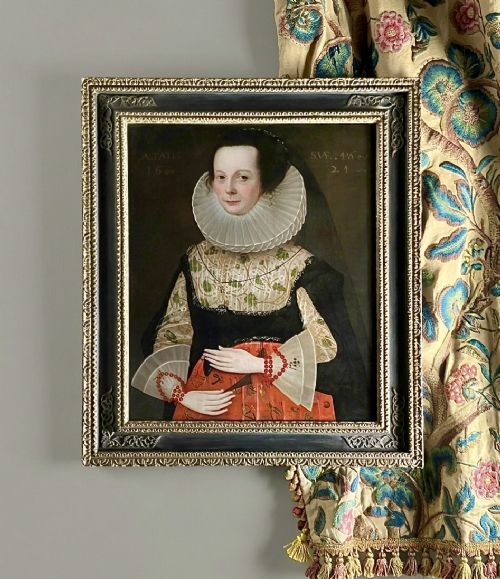
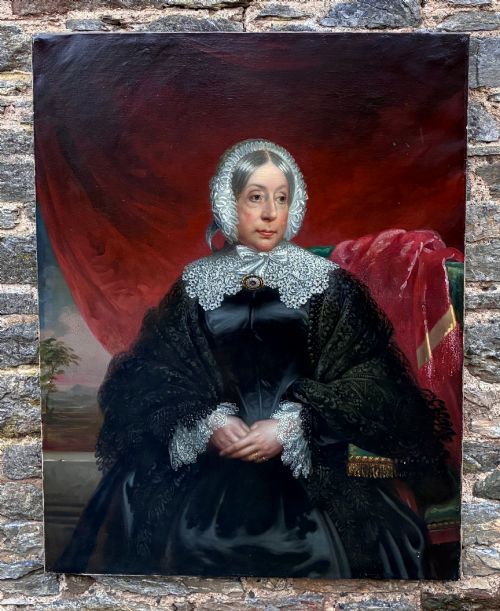
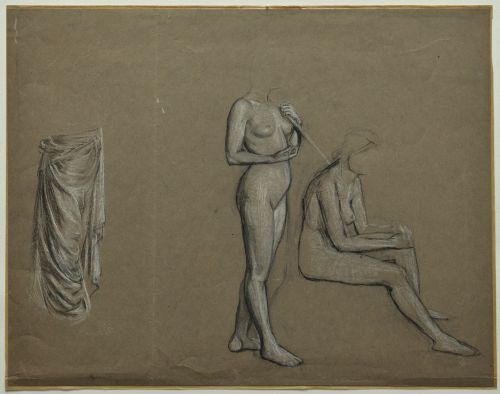
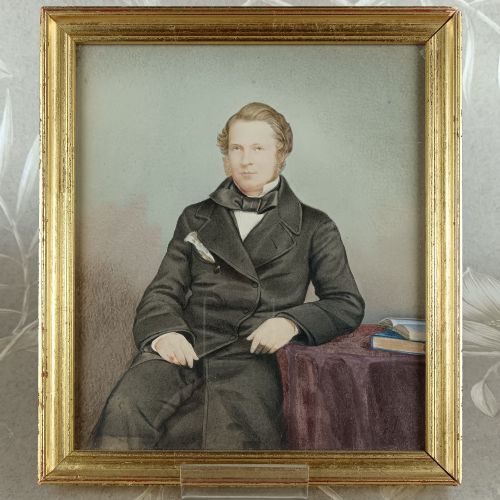
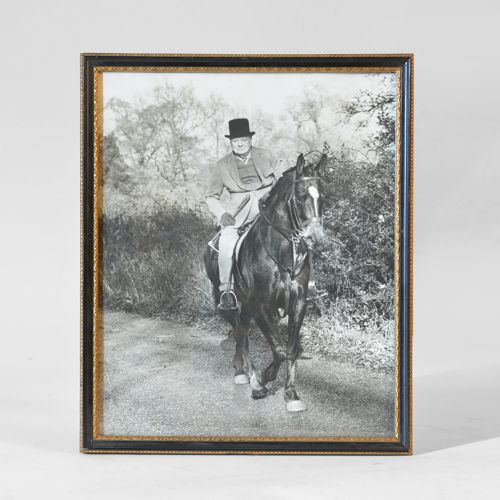
When searching for an antique black portrait, collectors encounter a diverse group of works ranging from seventeenth-century oil paintings to nineteenth-century silhouettes. The items on this page unite under dark tonal palettes, ebonised wood frames, or ink and paper silhouettes.
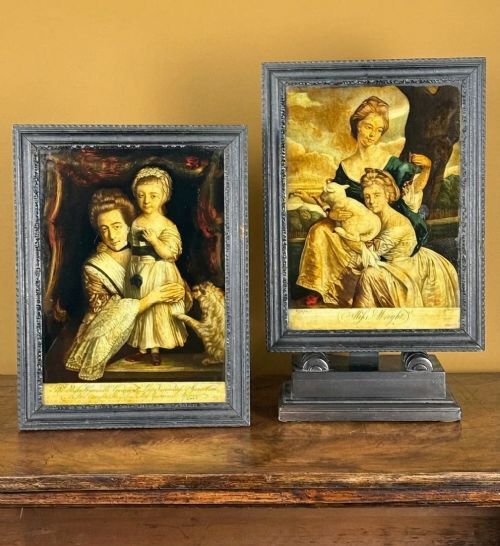
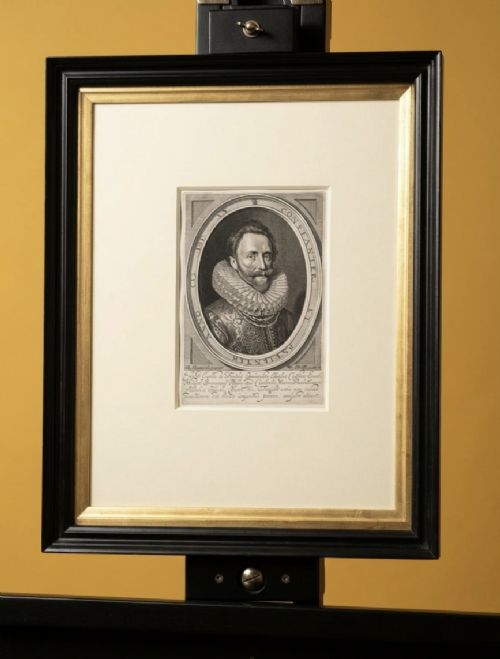
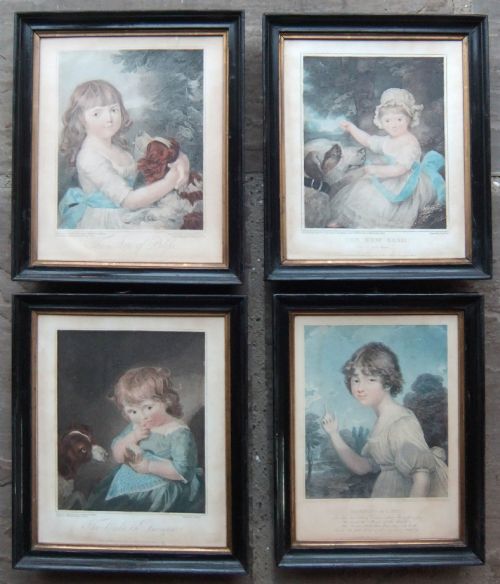
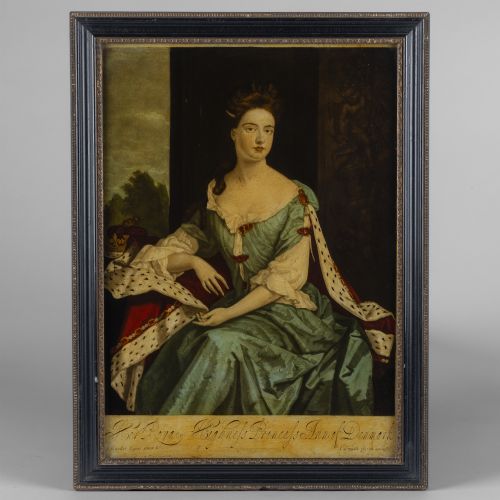
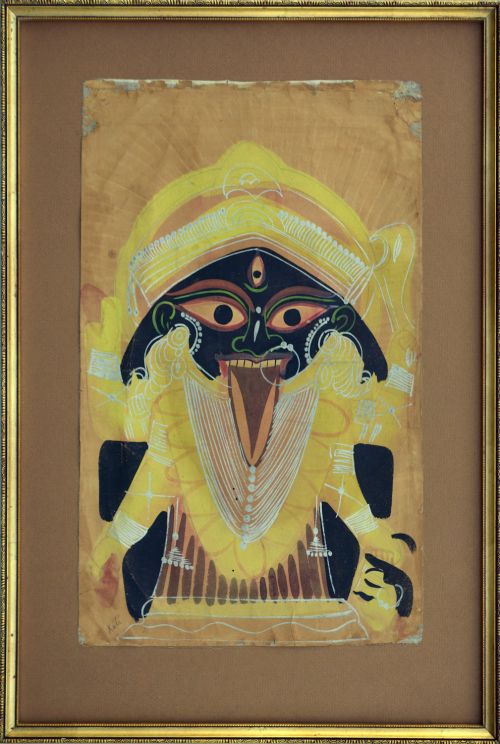
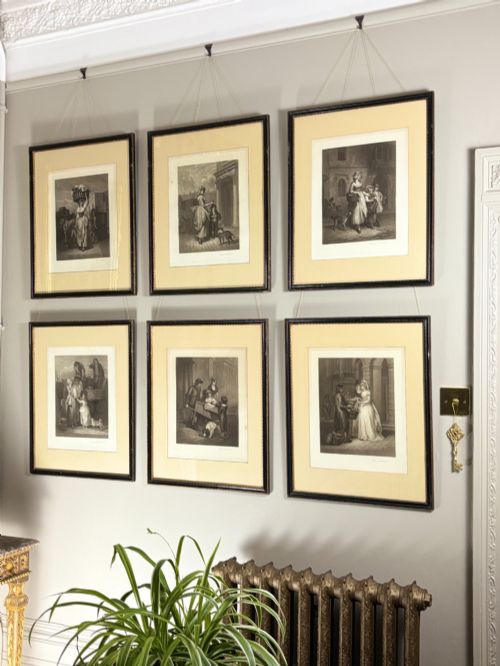
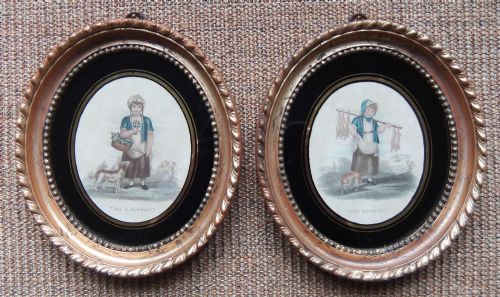
The assortment includes oil paintings on canvas, mezzotints, stipple engravings, and cut-paper silhouettes depicting nobility, historic figures, and unknown sitters. These pieces derive from periods such as the Georgian, Regency, and Victorian eras, alongside Dutch Golden Age influences.
Materials and technique
Artists created these works using oil on canvas, layered ink, watercolor, and hand-cut paper mounted against contrasting backgrounds. Mezzotint printmakers worked dark copper plates using rocker tools to achieve rich tonal gradations of black and grey.
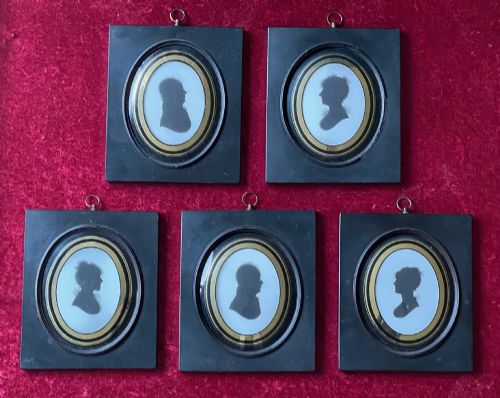
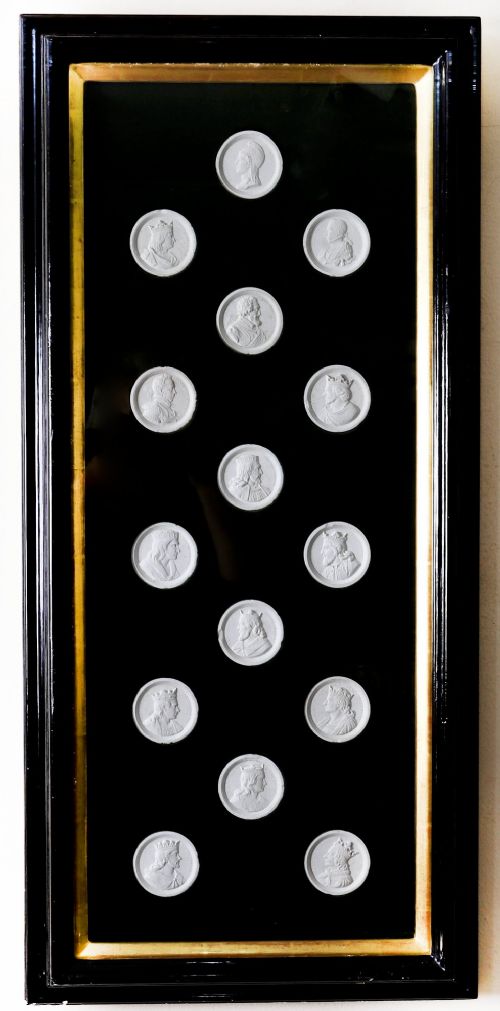
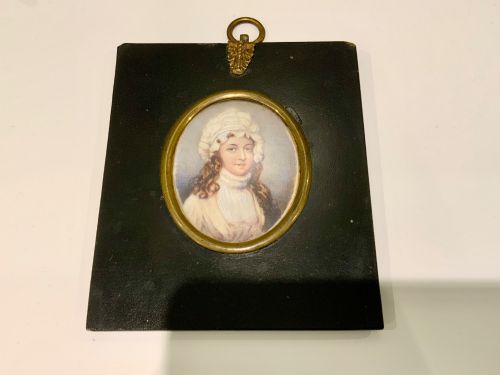
Silhouettes relied on precise hand-cutting of black paper, frequently augmented with delicate watercolor or gold leaf detailing. Frames utilised ebonised wood and gold leaf to complement the dark visual weight of the central portrait.
Antique Black Portrait Retail Price Guide 2026
Typical asking prices for black portrait among the pieces listed under this phrase on Sellingantiques today, from the lower quarter to the upper quarter. They describe what is for sale here now, not the wider market.
Materials recorded on this page include glass, gold leaf, ink, carved ivory, and ebonised wood alongside traditional canvas.
Distinctions in execution
Quality rests in the precision of the draughtsmanship and the depth achieved within the dark tones. Hand-cut silhouettes display varying levels of fine detail in facial profiles and costume elements.
Print quality depends on the crispness of the impression from the plate, whilst oil paintings vary according to the handling of light on dark fabrics and ruff collars.
Sir Peter Lely·Sir Joshua Reynolds·John Smith·James Watson·Edward Fisher·Francesco Bartolozzi·William James Hubard·Eugen Bormel
The Antique Black Portrait Glossary
- Mezzotint
- A printmaking process where the copper plate is roughened uniformly to produce dark areas, allowing the artist to scrape away surface for lighter tones. This technique yields velvety blacks and subtle gradients.
- Silhouette
- A portrait cut from black paper or painted as a solid dark profile against a pale background. The form relies entirely on outline accuracy.
- Ebonised wood
- Timber treated with a finish to imitate ebony wood. This dark staining technique appears frequently on nineteenth-century frames.
- Stipple engraving
- A method of creating prints using dots of varying density rather than continuous lines. It creates soft tonal transitions in portraiture.
- Reverse glass painting
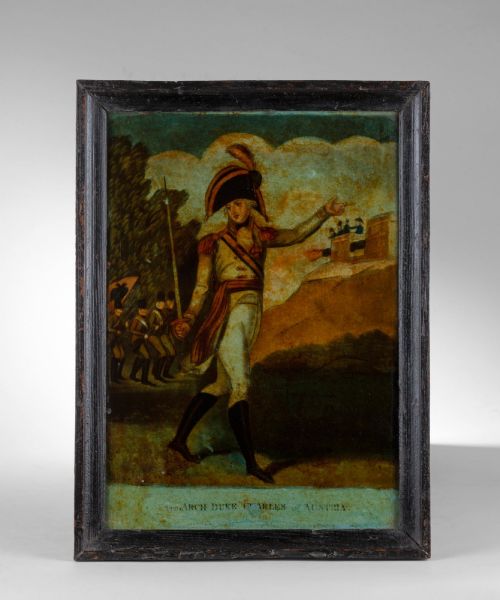
- An artwork painted on the underside of a glass panel and viewed from the front. This technique protects the pigment and produces a glossy finish.
Antique Black Portrait: Frequently Asked Questions
What is an antique black portrait?
An antique black portrait refers to artworks dominated by dark pigments, ebonised frames, or black silhouette profiles created across the seventeenth, eighteenth, and nineteenth centuries.
These pieces capture historical figures and anonymous sitters through varied mediums including oil paintings, mezzotints, and cut paper.
How do I identify a mezzotint?
A mezzotint print presents deep, rich dark areas and smooth tonal gradations rather than traditional line work. Under magnification, the ink rests in a textured pattern created by a rocker tool on a copper plate.
These prints were widely used for reproducing oil paintings of nobility during the seventeenth and eighteenth centuries.
How should I display these pieces?
These works require placement away from direct sunlight to protect paper silhouettes, watercolours, and canvas pigments from fading. Matching the dark tones of the artwork with traditional ebonised or gilded frames enhances their historical appearance.
Ensure wall fixings safely support heavier oil paintings and framed engravings.