





Antique Black Board
An antique black board brings gravitas to a room, offering historic character through dark painted surfaces, games boards and trade signs.
Antique Black Board
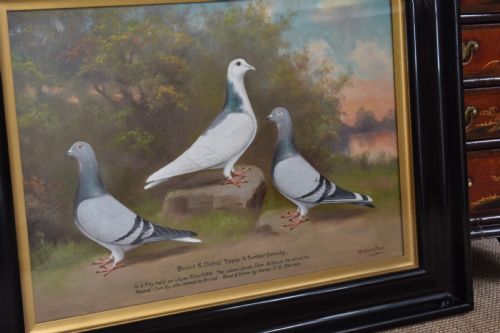
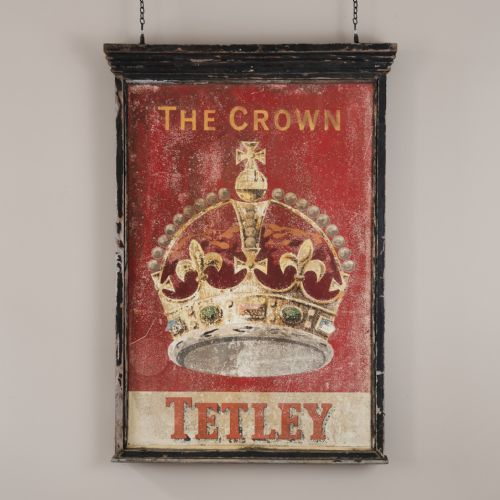
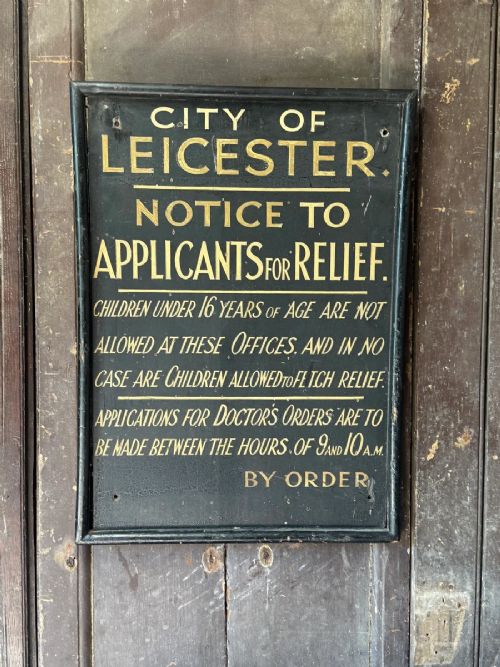
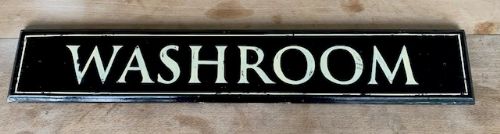
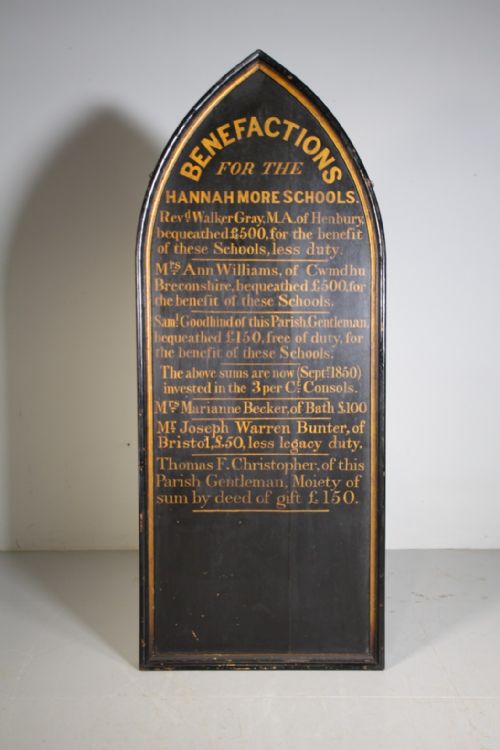
An antique black board selection encompasses a diverse mix of historic signage, games tables, and painted panels rather than a single uniform category. Pieces span from Regency penwork chess tables to Victorian trade signs and early twentieth-century pub signboards.
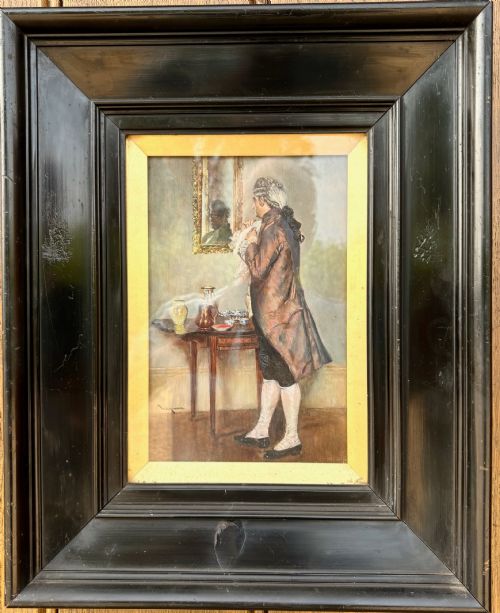
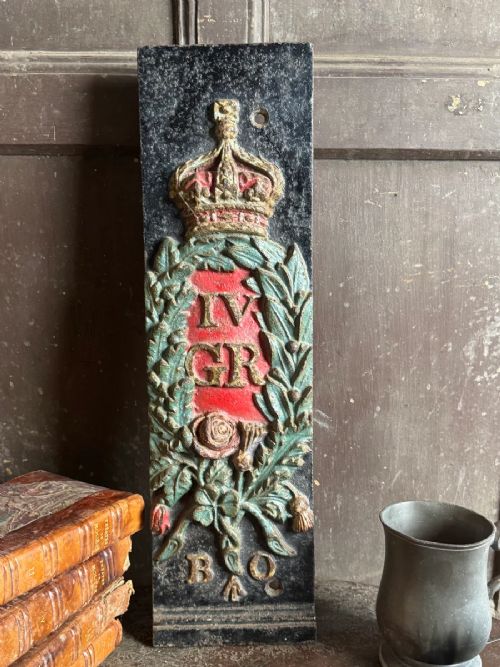
The materials range from ebonised wood and slate to painted timber and cast iron, often carrying significant surface wear from years of active use. Buyers frequently encounter game boards, oil paintings on board, and architectural plaques that reflect the utilitarian and decorative tastes of past centuries.
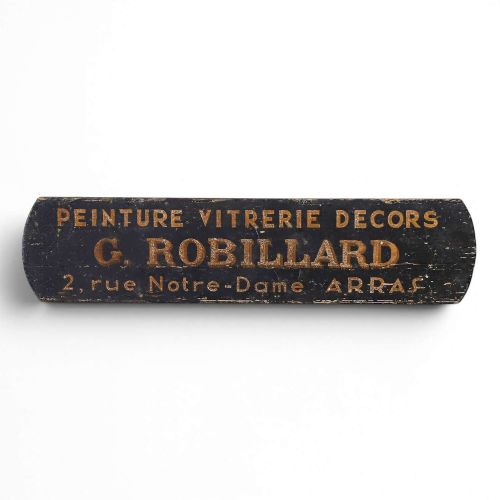
Origins stretch across British and European workshops, featuring regional artefacts such as Welsh borders signs and French Belle Époque trade notices. This variety ensures that each item serves as a distinct focal point with a tangible connection to nineteenth and early twentieth-century life.
Materials and construction
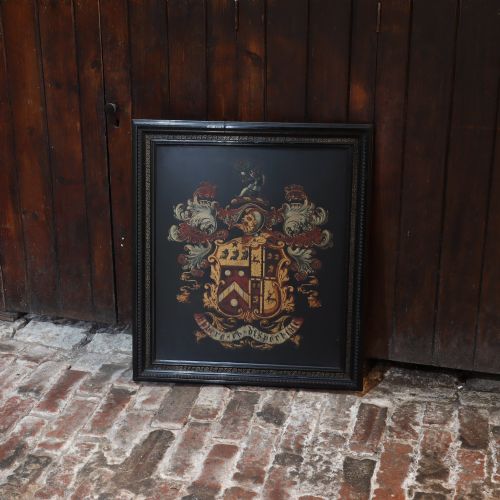
Makers utilised solid timbers, slate, and cast iron as sturdy foundations for these items, applying dark paint, lacquer, or ebonised finishes to achieve the characteristic sombre tone. Surfaces frequently received hand-painted lettering, gilt decoration, or intricate penwork to define games grids and heraldic motifs.
Traditional joinery methods secured the structural integrity of tables and wooden panels, while metal plaques relied on cast iron moulding. Protective layers of varnish or oil were often brushed over the painted details to preserve the artwork against everyday handling and atmospheric changes.
Antique Black Board Retail Price Guide 2026
Typical asking prices for black board among the pieces listed under this phrase on Sellingantiques today, from the lower quarter to the upper quarter. They describe what is for sale here now, not the wider market.
Listings feature items spanning the Georgian, Regency, and Victorian periods up through the interwar years.
Assessing quality and preservation
The distinction between ordinary and exceptional pieces rests primarily on the crispness of the hand-painted details, whether in intricate penwork games tables or bold trade signage. Original surfaces that retain their authentic patination without excessive overpainting command greater appreciation among collectors.
Structural stability in older wooden frames and games boards also dictates overall merit, as well as the clarity of any armorial bearings, lettering, or pictorial scenes. Superior examples demonstrate a harmonious balance between utilitarian wear and the preservation of their decorative intent.
George Merrifield·Smiths London·Liverpool Ship Building Co.
The Antique Black Board Glossary
- Ebonised wood
- Timber stained or painted to imitate expensive ebony. This finish was common on nineteenth-century furniture and frames to create a stark, dark contrast.
- Penwork
- A decorative technique using fine ink lines to create intricate patterns on wood. It often adorned Regency games tables with geometric or figurative motifs.
- Trade sign
- A board displayed outside a shop or business to advertise services. These painted wooden or metal items served a strictly commercial function.
- Shove ha'penny
- A traditional British pub game played by sliding coins up a marked board. The playing surfaces were typically carved from slate or dense wood.
Antique Black Board: Frequently Asked Questions
How do I clean an antique painted board?
Dust the surface gently with a soft, dry cloth to remove loose particles without disturbing the aged paint.
Avoid using water, chemical sprays, or abrasive cleaners, as these can strip away historic finishes and delicate gilt details.
How can I date an ebonised wooden piece?
Examine the underlying timber construction, joinery techniques, and the style of any painted or gilt ornamentation.
Nineteenth-century items often display hand-turned components and traditional fixings that differ from later industrial methods.
Where should I display a trade sign?
Hang the board on a sturdy interior wall away from direct sunlight and excessive temperature fluctuations.
Allowing sufficient clearance around the piece highlights its painted typography and historic character within a room.