



Antique Black Bedroom Chest
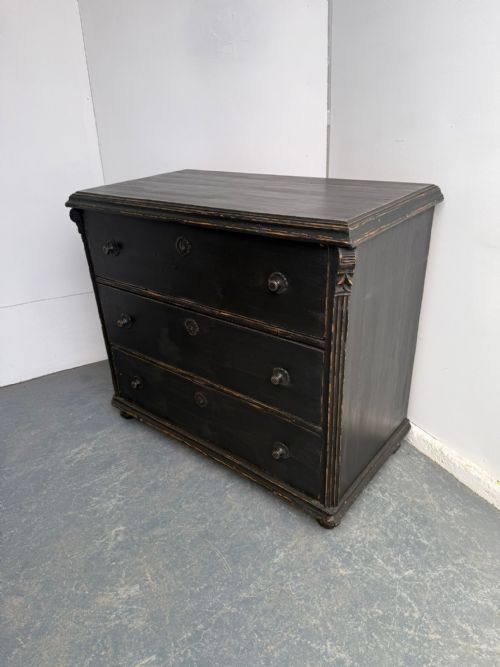
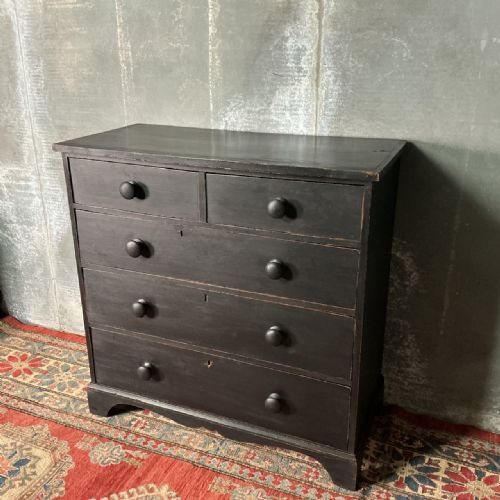
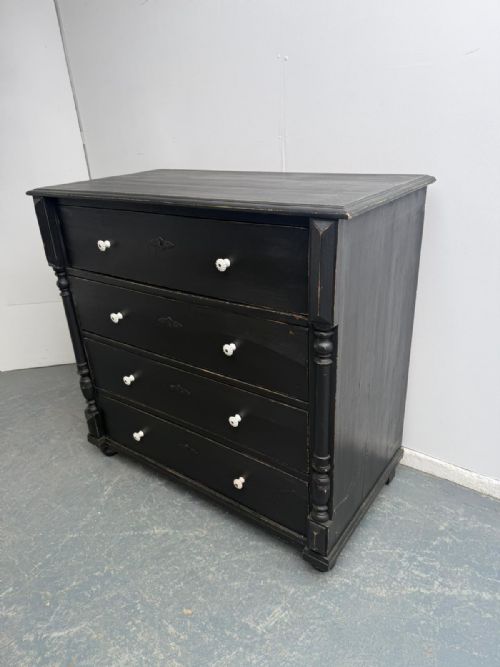
An antique black bedroom chest brings deep tone and practical storage to a room, ranging from simple painted pine to formal ebonised commodes.
Antique Black Bedroom Chest
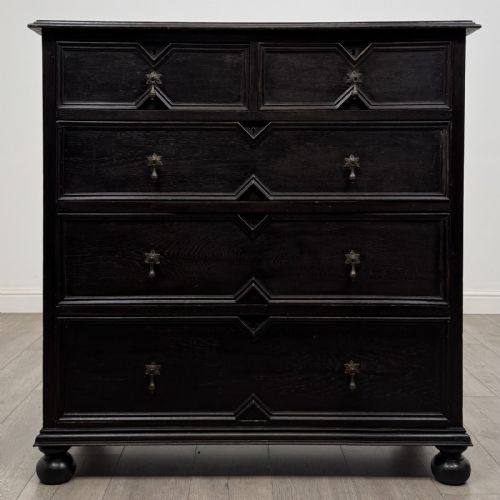
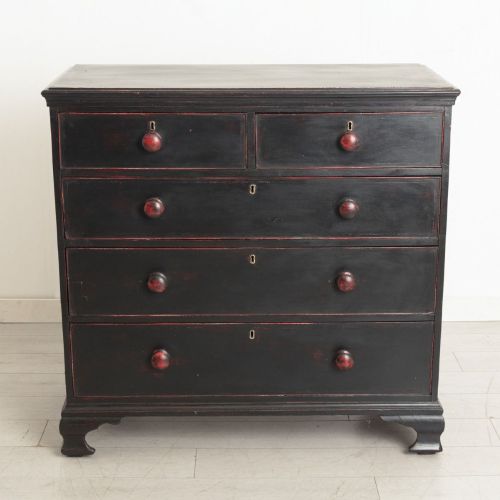
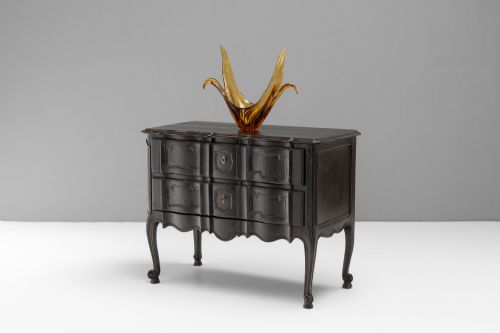
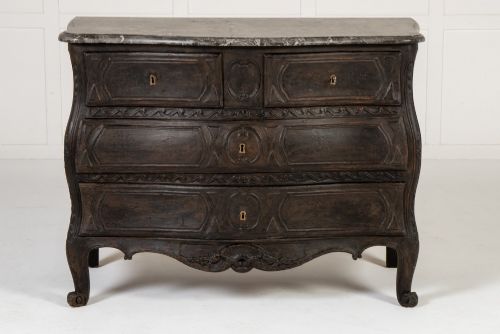
An antique black bedroom chest serves as a robust storage unit, drawing on styles from Georgian country pieces to French Provincial commodes. When searching this phrase, a buyer meets various forms including chests of drawers, dressing table chests, and commodes.
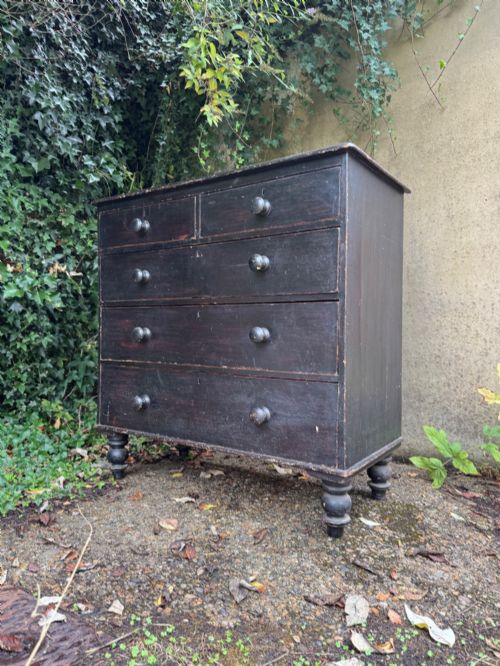
The materials span simple pine and oak alongside more finished woods, often coated in black paint or ebonised surfaces. These pieces emerge from periods such as the 18th century, the Georgian era, and the Victorian epoch.
Most examples found here lean towards painted pine or ebonised wood finishes. They bridge practical household storage and strong decorative presence.
How they were made
Construction relies primarily on sturdy timbers like pine, oak, and satin birch, shaped into carcases with multiple drawers. Iron and brass fittings such as handles and key escutcheons secure the structure and complete the drawer fronts.
Surface treatments define these pieces, utilising black paint finishes, ebonisation, and stencilling. Some examples incorporate marble tops or decorative carving, particularly within French and Italian styles.
Antique Black Bedroom Chest Retail Price Guide 2026
Typical asking prices for black bedroom chest among the pieces listed under this phrase on Sellingantiques today, from the lower quarter to the upper quarter. They describe what is for sale here now, not the wider market.
One Hungarian pine chest survived the centuries wearing its black coat so strictly that even the keyholes seem to watch you back.
What varies in quality
Quality rests in the original integrity of the timber frame and the execution of the surface finish, whether an early ebonisation or a period painted coat. Finer items display considered proportions and harmonious brass hardware that complement the dark finish.
Simpler vernacular pieces rely on honest utility and straightforward pine construction, whereas formal commodes from the 18th century or Art Deco period showcase sophisticated shaping like bombe profiles and specialist wood selection.
The Antique Black Bedroom Chest Glossary
- Commode
- A low chest of drawers or cabinet, often of French or Italian origin. These pieces frequently feature decorative painted or ebonised surfaces.
- Ebonised
- Wood treated with a dark stain or finish to imitate ebony. This technique was popular across various periods to lend a formal appearance to timber.
- Bombe
- A chest or commode shape featuring outward-curving, bulging sides and front. This profile requires advanced cabinetmaking skill.
- Bow chest
- A chest of drawers with a convex curved front. The design softens the angular lines typical of standard bedroom storage.
- Dressing table chest
- A combined form serving both storage and a surface for grooming. These often incorporate mirrors or smaller upper compartments.
Antique Black Bedroom Chest: Frequently Asked Questions
Are these chests suitable for daily bedroom use?
These chests offer deep drawers and robust timber construction designed for practical storage. Their historic builds provide reliable everyday utility.
At the same time, their dark painted or ebonised surfaces anchor a room's decor, functioning as both storage and a primary visual anchor.
How do I identify a painted black finish versus ebonisation?
A painted finish sits as an opaque layer upon the timber, sometimes showing age-related craquelure or wear. Pine pieces commonly carry this treatment.
Ebonisation involves staining or treating the wood itself to darken the grain, often seen on formal hardwoods and Regency or Art Deco commodes.
What periods do these black chests come from?
The selection spans from the 18th century through the Georgian and Victorian eras up to 20th century Art Deco. Each period brings distinct proportions and hardware.
Earlier examples often feature country pine or continental commode forms, while later Victorian and Edwardian pieces utilise pine or satin birch.
Do these chests require special care in a modern bedroom?
Standard care involves dusting with a soft cloth and avoiding direct, harsh sunlight that might affect historic paint or wood finishes. Keeping them away from sudden temperature shifts protects the timber joints.
Wax can be applied sparingly to unpainted wooden elements to maintain the surface condition over time.