

Antique Black Art
Antique black art brings together centuries of paintings, engravings, and sculptures rendered in dark tones, offering serious collectors striking historic works with deep visual presence.
Antique Black Art
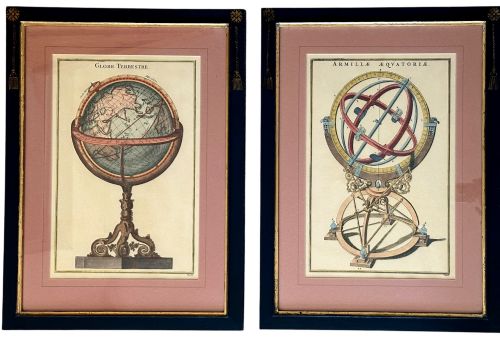
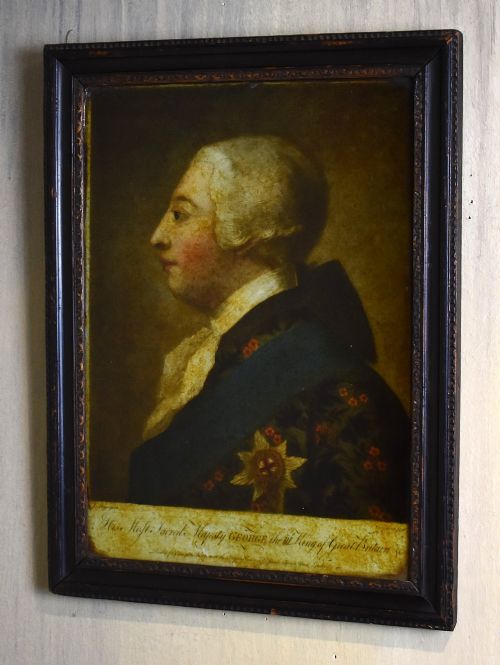
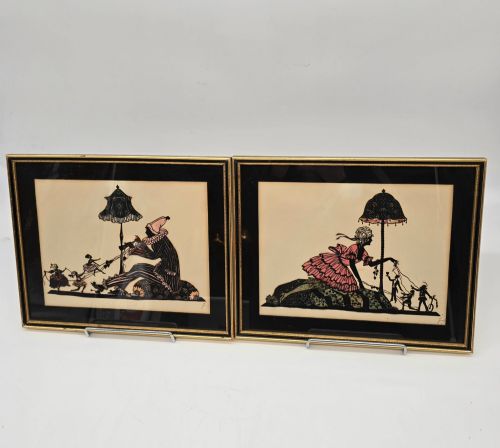
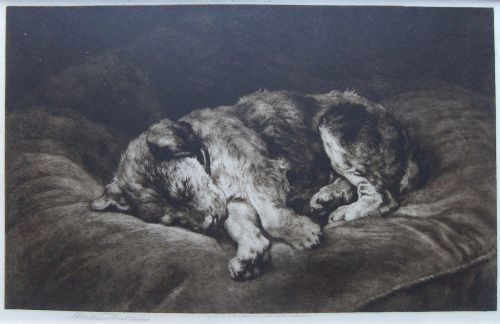
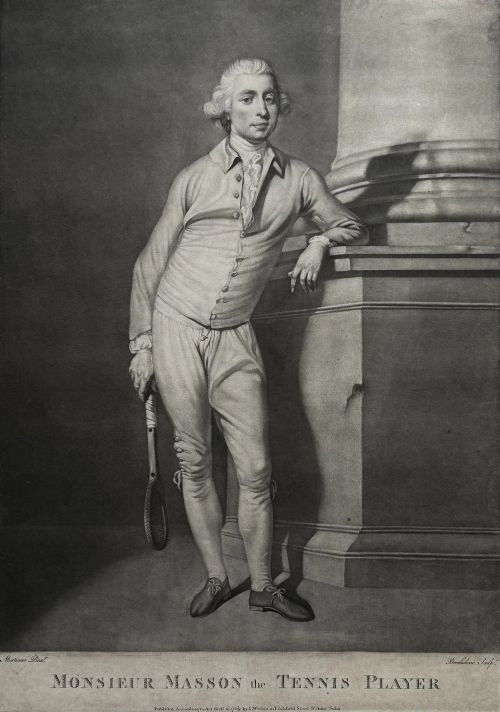
When searching for antique black art, buyers encounter a diverse selection of works spanning the seventeenth century through the Art Deco period. This category encompasses oil paintings, mezzotint portraits, etchings, and sculptures shaped by historical movements from Dutch Golden Age portraiture to early twentieth-century modernism.
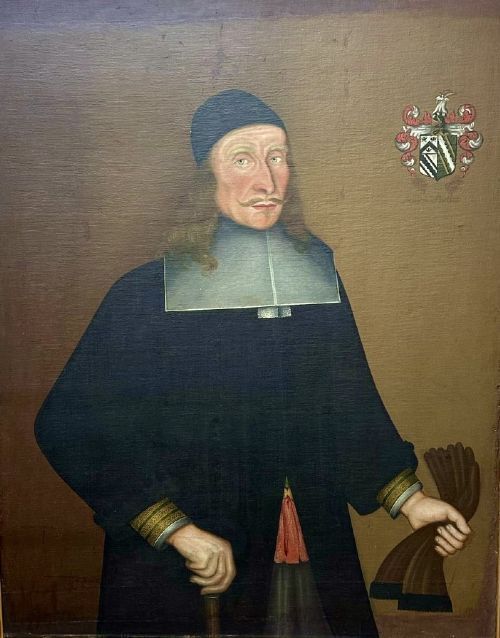
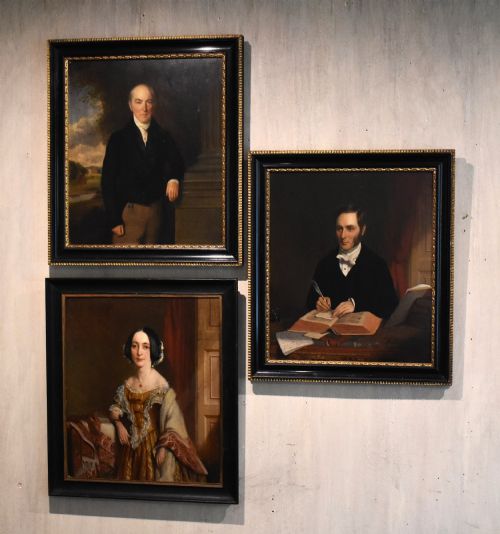
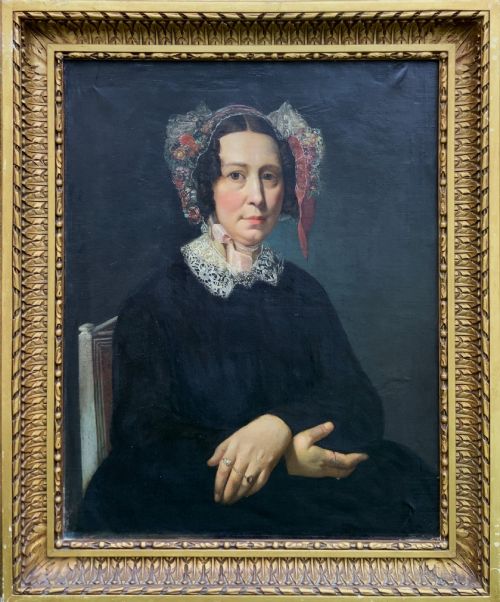
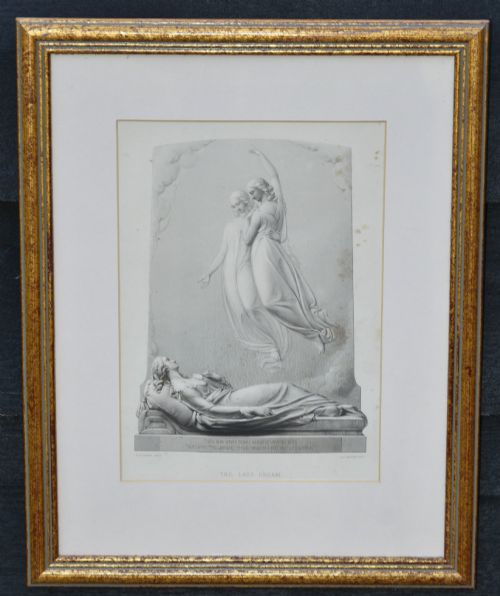
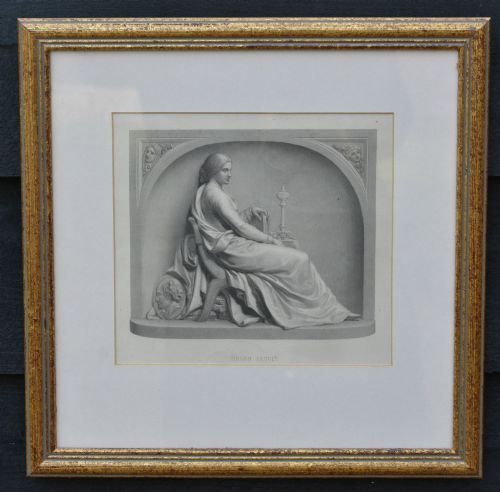
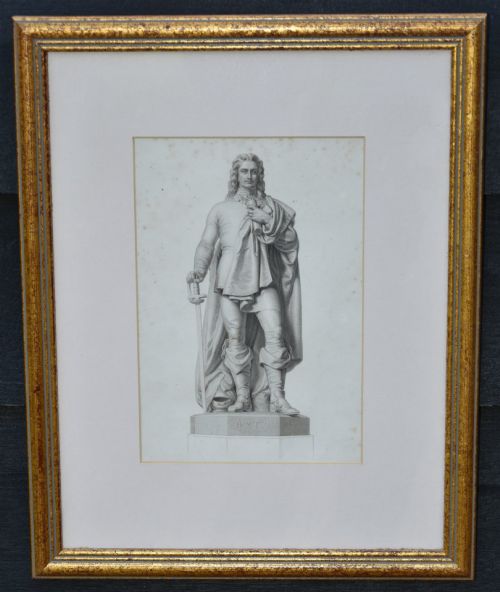
The objects on this page range from framed seventeenth-century canvas portraits depicting subjects in dark garments to nineteenth-century engravings and twentieth-century bronze animalier sculptures. Each piece demonstrates how past artists utilised shadowed palettes, deep patinas, and stark contrasts to convey gravity, mood, and form.
Collectors navigating this selection find pieces rooted in specific stylistic eras, including Georgian, Victorian, and Art Deco. The works serve varied interior and curatorial roles, functioning as wall art, framed prints, or sculptural centerpieces.
Materials and methods
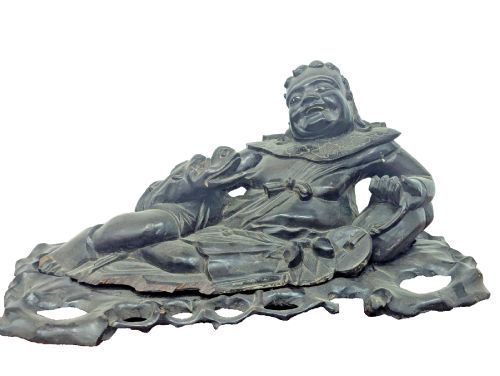
The physical makeup of these works relies on traditional substrates and durable media, with oil on canvas, paper, and copper plate engravings forming the foundation of flat artworks. Sculptural pieces utilise bronze, spelter, marble, and carved wood, displaying the physical weight and density characteristic of their respective periods.
Printmakers employed copper plates for mezzotints and etchings, scraping and gouging surfaces to hold rich layers of black ink that generated deep tonal gradients. Painters built up compositions using layered oil pigments, dark varnishes, and contrasting highlights to establish dramatic illumination against shadowed backgrounds.
Antique Black Art Retail Price Guide 2026
Typical asking prices for black art among the pieces listed under this phrase on Sellingantiques today, from the lower quarter to the upper quarter. They describe what is for sale here now, not the wider market.
Evaluating craftsmanship and condition
The upper tier of these works is distinguished by the surety of the artist's hand, whether in the delicate rendering of lace collars in seventeenth-century oils or the clean casting lines of twentieth-century bronze sculptures. Superior pieces maintain their original surface integrity, rich ink saturation in prints, and authentic patination accumulated over centuries.
Lesser examples often show weak composition, heavy restoration that obscures original brushwork or plate impressions, or modern replacements of mounts and frames. Quality ultimately rests on the harmony between the maker's technical skill and the enduring preservation of the primary medium.
Joan Blaeu·Sir Peter Lely·D. H. Chiparus·Maurice Giraud-Rivière·Samuel Howitt
The Antique Black Art Glossary
- Mezzotint
- A printmaking process where the copper plate is roughened uniformly to produce rich dark tones and subtle gradations of light. This technique allowed printmakers to translate oil paintings into deeply shadowed monochrome prints.
- Ebonised wood
- Timber treated with chemical stains or black finishes to imitate ebony. This material frequently appears in frames and decorative objects from the Victorian and Art Deco periods.
- Spelter
- An alloy of zinc and other metals cast into sculptures and decorative hardware, particularly popular during the early twentieth century. It serves as a more affordable alternative to bronze while accepting patination effectively.
- Portrait miniature
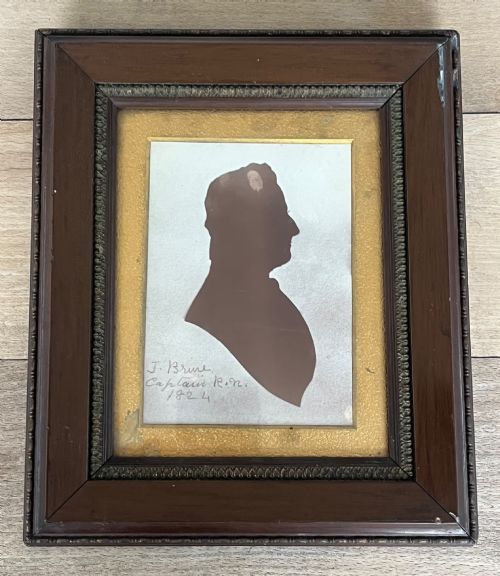
- A small-scale painting executed on materials such as vellum, paper, or ivory, often housed in protective cases. These intimate works captured likenesses with extraordinary precision before the widespread adoption of photography.
- Animalier sculpture
- Nineteenth and twentieth-century artwork focusing on the realistic portrayal of animals. Artists rendered these figures in bronze or silvered metals, capturing creatures in motion or repose.
Antique Black Art: Frequently Asked Questions
How do I identify seventeenth-century portraits?
Seventeenth-century portraits are identifiable by stiff ruff collars, dark clothing against neutral backgrounds, and specific canvas preparations typical of the Dutch Golden Age or Restoration period.
Examination of the stretcher bars, nails, and canvas weave helps confirm the age of the support structure.
What is the difference between an etching and a mezzotint?
An etching uses acid to bite lines into a metal plate, creating crisp linear designs filled with ink for printing. A mezzotint works from dark to light by roughening the entire plate to hold ink, producing velvety shadows and smooth tonal shifts.
Both techniques produced the monochrome works common in historical collections.
How should I care for antique works on paper?
Works on paper require protection from direct sunlight and high humidity to prevent fading and foxing. Framing should utilise acid-free mounts and UV-filtering glass to preserve the ink and paper over time.
Keeping pieces away from fluctuating temperatures ensures the substrate remains stable.
Are Art Deco sculptures made of solid bronze?
Art Deco sculptures utilise various materials including solid bronze, silvered bronze, and spelter mounted on marble bases. Makers often stamped foundry marks or signatures directly onto the metal or stone base.
Weight and coldness to the touch typically distinguish metal castings from resin or plaster substitutes.