



Antique Bitong Holder
These antique bitong holder pieces are scholars' brush pots built to grace a desk, offering substance and historical artistry to your study.
Antique Bitong Holder
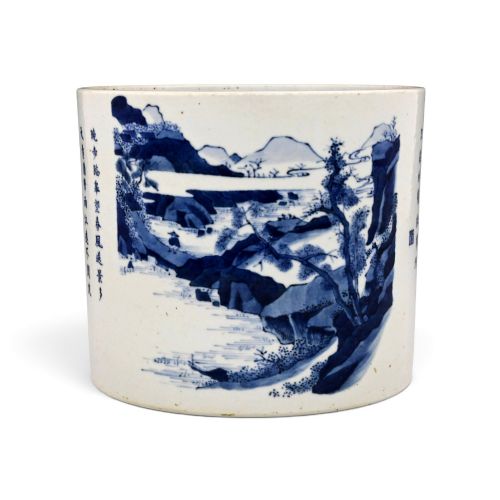
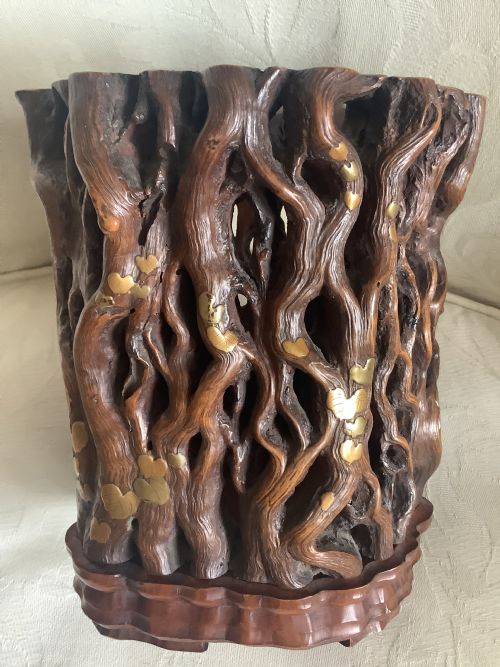
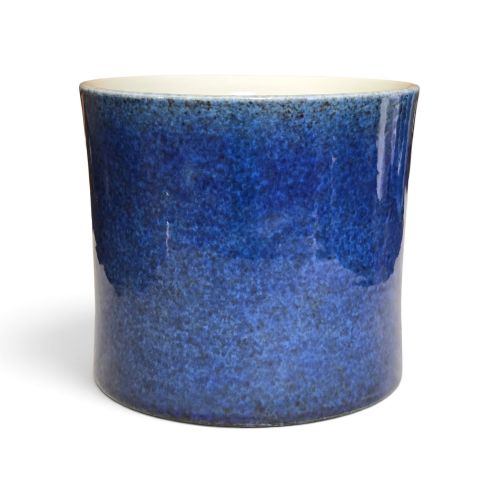
An antique bitong holder is a desk accessory designed to store scholars' writing brushes, taking the form of a cylindrical vessel. You will most frequently encounter porcelain and hardwood examples originating from the Qing Dynasty and the Meiji Period.
The objects span the seventeenth to the nineteenth centuries, incorporating forms such as the blue and white porcelain brush pot and carved wooden vessels. These items served as functional scholar's studio pieces before becoming decorative collector's items.
How they were made
Craftsmen utilised dense hardwoods and natural bamboo, carving the materials deeply to depict detailed scenes and textures. Porcelain versions relied on cobalt underglaze, cobalt glaze, and overglaze enamel to achieve complex pictorial surfaces.
Metal examples combined bronze and mixed metals during the Meiji period, demonstrating alternative metallurgical techniques. Potters shaped clay into heavy cylinders before applying specialised glazes like powder-blue and famille rose enamel.
Antique Bitong Holder Retail Price Guide 2026
Typical asking prices for bitong holder among the pieces listed under this phrase on Sellingantiques today, from the lower quarter to the upper quarter. They describe what is for sale here now, not the wider market.
Eight immortals once decorated a porcelain cylinder, giving desk-bound scholars a quiet mythological audience for their ink work.
What varies in quality
The depth and precision of the carving separate standard wooden brush pots from superior ones. Sharp relief work and thoughtful handling of the grain distinguish better examples.
Porcelain quality depends on the clarity of the cobalt underglaze and the control of the overglaze enamel. Well-executed pictorial scenes reflect greater skill than generic factory decoration.
The Antique Bitong Holder Glossary
- Bitong
- A cylindrical Chinese brush pot used in the scholar's studio. It holds writing brushes and stands upright on a desk.
- Famille Rose
- A palette of opaque enamel colours introduced in Chinese ceramics during the Qing dynasty. Pink enamel forms a defining characteristic of this decorative style.
- Meiji Period
- A Japanese historical era lasting from eighteen sixty-eight to nineteen twelve. Metalwork and mixed metal vessels gained prominence during these decades.
- Cobalt Underglaze
- A blue pigment applied to ceramic bodies before glazing and firing at high temperatures. This technique produces deep, permanent blue designs beneath a clear surface.
Antique Bitong Holder: Frequently Asked Questions
What is an antique bitong holder used for?
These vessels originally held writing brushes for scholars and officials in East Asia. They organised tools on a desk while displaying artistic craftsmanship.
Today, people use them on desks or display shelves as decorative objects. They hold pens, pencils, or dry botanicals.
How can I tell the period of a bitong?
You look at the materials, decorative style, and production techniques visible on the piece. Seventeenth-century examples often display blue and white porcelain, while later nineteenth-century items include famille rose and carved bamboo.
Examining the base and glaze characteristics provides further clues to the date of manufacture. Comparing the object against documented Qing Dynasty or Meiji Period standards helps confirm its age.
Are bitong holders only made of porcelain?
No, these desk accessories appear in several different materials depending on their origin. Hardwood, bamboo, bronze, and mixed metals frequently form the body of the vessel.
Porcelain remains a common choice, but carved organic materials like bamboo offer a different tactile experience. Each material reflects the specific traditions of the craftsmen who shaped it.
How do I care for an antique brush pot?
You should keep wooden and bamboo brush pots away from direct sunlight and extreme humidity. Dust them gently with a dry, soft cloth to protect the carved surfaces.
Porcelain and bronze items require minimal maintenance beyond careful handling. Avoid using harsh cleaning agents that might damage historical glazes or metal patinas.