




Antique Birdcage Pedestal Table
An antique birdcage pedestal table is a clever piece of Georgian ingenuity, prized for its rotating top and sturdy tripod base.
Antique Birdcage Pedestal Table
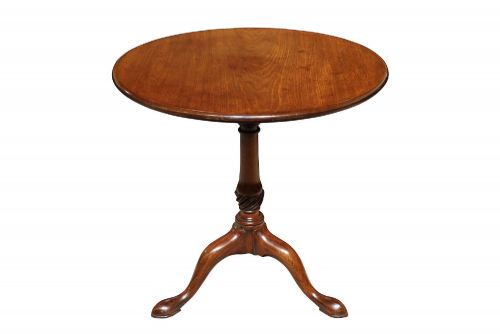
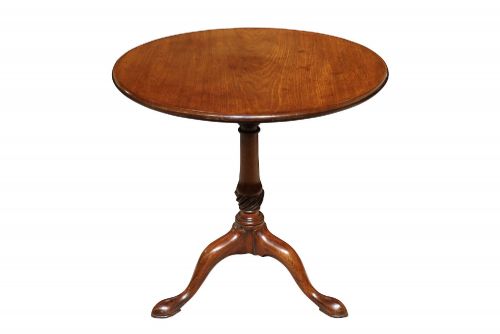
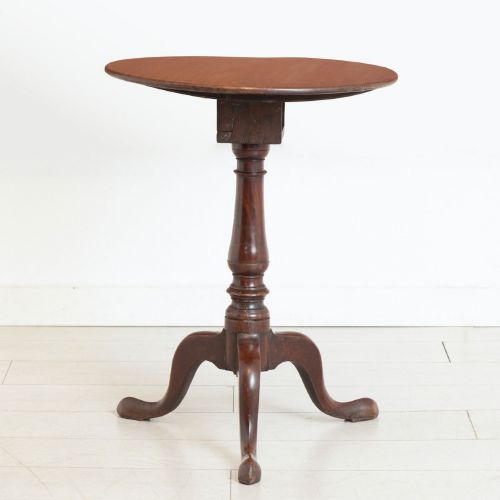
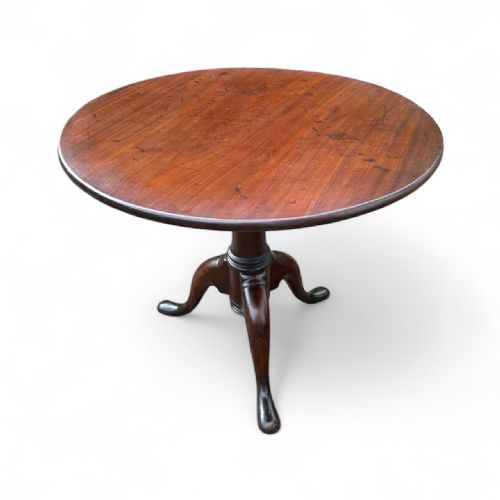
When you search for an antique birdcage pedestal table, you are looking at a specialist form of occasional, wine or supper table designed primarily during the Georgian and George III periods. These clever pieces allow the tabletop to tilt flat for storage and rotate on a central pivot thanks to the characteristic wooden birdcage mechanism beneath.
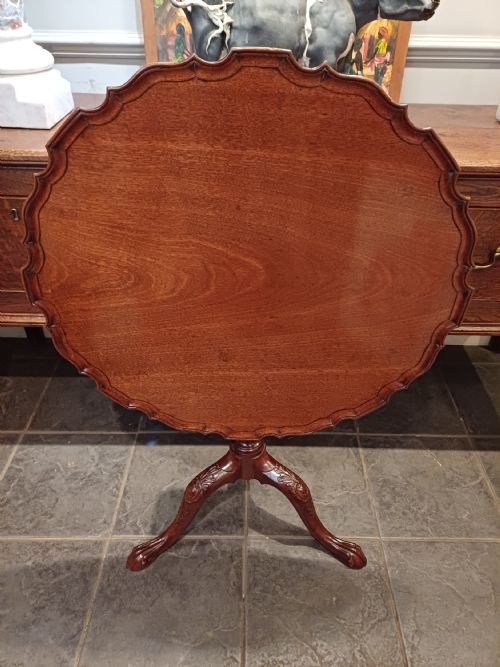
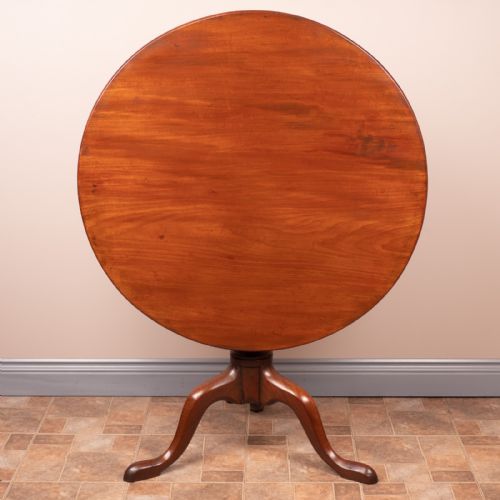
The versions you are most likely to encounter on this page are fashioned from rich mahogany, often standing on a classic tripod base terminating in pad or spade feet. Occasional examples also surface in oak, whilst forms range from simple circular tops to more decorative piecrust edges intended for refined eighteenth-century entertaining.
Makers constructed these tables to serve multiple functions in the historic home, moving easily from a corner to a fireside or dining space. The revolving action meant guests could easily reach their wine or supper dishes without disturbing the entire arrangement of the table.
Construction and materials
Joiners relied heavily on dense, beautifully grained mahogany, though country examples occasionally utilise sturdy oak for everyday utility. Timber was selected with care to ensure the single-piece tabletops could withstand the tension of the tilting mechanism without warping.
The defining birdcage element consists of small wooden uprights and turning blocks that house the central turning axis, allowing the top to spin freely. Beneath this cage, traditional dovetail and tenon joints secure the column to the dynamic tripod legs, ensuring stability despite the moving parts above.
Current listings span the Georgian, 18th Century, and 19th Century periods, constructed predominantly in mahogany with occasional examples in oak.
Indicators of quality
Quality reveals itself in the crispness of the turning on the central column and the proportion of the birdcage mechanism. Finer examples maintain smooth rotation without excessive wobble in the pivot, demonstrating the original maker's precision in fitting the internal wooden components.
The desirability of a piece often rests on the choice of timber for the top, particularly where cabinetmakers selected single boards of figured mahogany or shaped the perimeter into a crisp piecrust edge. Subtle details in the tripod legs, such as elegant sweeping curves and well-formed feet, elevate an ordinary table into a masterwork of period craftsmanship.
John Bivins
The Antique Birdcage Pedestal Table Glossary
- Birdcage
- A timber framework fitted beneath the tabletop that enables the surface both to tilt vertically and revolve horizontally. This ingenious wooden assembly sits directly atop the central pedestal column.
- Tilt top
- A tabletop hinged to drop into a vertical position when not in use, allowing the furniture to stand flat against a wall. This space-saving design was essential in smaller Georgian rooms.
- Tripod base
- A support structure comprising three spreading legs radiating from a central pillar. This configuration prevents rocking on uneven historic floors.
- Piecrust edge
- A raised, scalloped border carved directly from the solid timber perimeter of a circular tabletop. This decorative treatment requires immense skill from the woodcarver.
- Supper table
- A large occasional table historically used for evening meals or social gatherings before permanent dining rooms became standard. The rotating action made sharing dishes simple.
Antique Birdcage Pedestal Table: Frequently Asked Questions
What is a birdcage on a table?
The birdcage is the clever wooden assembly positioned just beneath the tabletop. It consists of small spindles that allow the surface to rotate and tilt.
This mechanism gave eighteenth-century homeowners the ability to tuck the table away flat or spin it to reach food and drink easily.
Why do these tables tilt?
Tilting allowed households to clear floor space quickly when the furniture was not in use. Tables could be folded flat and pushed against the wall of a parlour.
This practical feature was especially important in Georgian homes where rooms served multiple purposes throughout the day.
How do I date a birdcage table?
Dating relies on examining the timber species, leg profiles, and the construction of the turning mechanism. Georgian examples typically display hand-turned mahogany columns and tripod bases.
Later nineteenth-century iterations often show subtle differences in proportions, timber finishing, and the tightness of the joinery.
Are these tables sturdy enough for daily use?
Yes, despite having moving parts and a tripod base, these tables are remarkably stable. The three-legged design ensures they sit firmly even on older floors.
However, owners should take care when operating the tilt-top and birdcage mechanism to avoid undue stress on the internal pivots.